

Principle and Working Scene Characteristics of Monosodium Glutamate Powder Pneumatic Conveying Syste
Monosodium glutamate (MSG) powder, a vital flavor enhancer in the food industry, demands efficient and reliable material handling solutions to maintain consistent quality and operational efficiency. Pneumatic conveying systems have become the preferred method for transporting MSG powder due to their ability to handle fine powders with minimal product degradation and contamination risks. This article delves into the fundamental principles of monosodium glutamate powder pneumatic conveying systems and highlights the key working scene characteristics that define their effectiveness in industrial applications.
Understanding the Core Principles of Pneumatic Conveying for MSG Powder
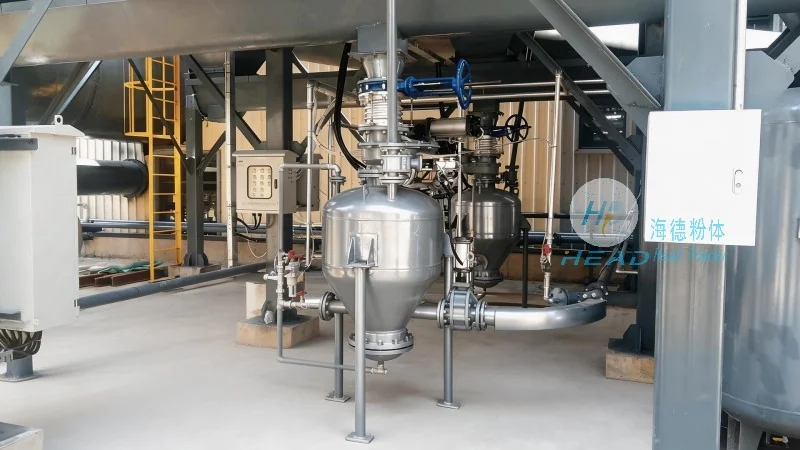
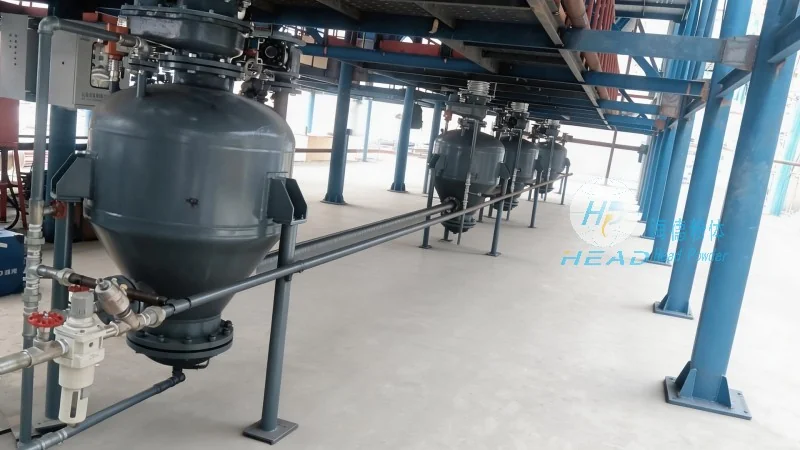
Pneumatic conveying systems operate by utilizing compressed air or vacuum to transport bulk materials through a pipeline network. For MSG powder, system design must account for the material's particle size, density, and flow characteristics. The two primary types of pneumatic conveying are pressure and vacuum systems. Pressure systems employ positive pressure to push material through the pipeline, while vacuum systems use negative pressure to pull material. In MSG powder applications, a combination of these methods may be employed to optimize material flow and reduce energy consumption. The system typically includes components such as a feeder, conveying line, separator, and receiver. The feeder ensures a consistent feed rate, preventing blockages or uneven flow. The conveying line transports the powder, and the separator removes entrained air or oversized particles. The receiver collects the processed material, ready for downstream processing or packaging. The selection of the appropriate conveying method depends on factors like transport distance, material volume, and required system pressure. For MSG powder, often transported over moderate distances in food processing facilities, a pressure pneumatic conveying system is commonly preferred due to its simplicity and efficiency. This system uses a positive pressure blower to generate necessary airflow, ensuring powder is propelled through the pipeline without clogging. The design of the conveying line—including pipe diameter and bend count—is critical to maintaining stable flow and preventing pressure drops that could cause material deposition or system inefficiencies. The use of flexible hoses or rigid pipes may vary based on application, with rigid pipes offering better flow control and pressure management, while flexible hoses provide layout flexibility. The separator, typically a cyclone or bag filter, plays a crucial role in maintaining product purity by removing air or dust particles. This step is vital for MSG powder, as contamination can significantly impact flavor and quality. The receiver, often a hopper or storage tank, collects conveyed powder and prepares it for further processing or packaging. The entire system is designed to minimize product degradation, ensuring MSG powder retains its intended properties and meets industry standards.
Key Working Scene Characteristics of Monosodium Glutamate Powder Pneumatic Conveying Systems
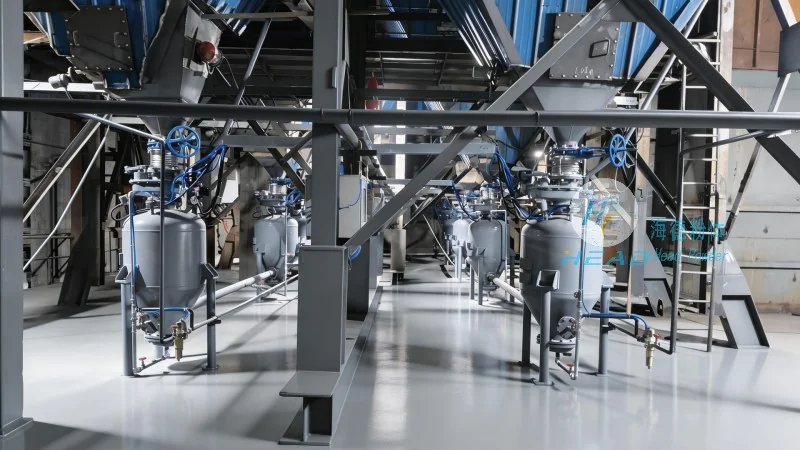
The effectiveness of a monosodium glutamate powder pneumatic conveying system is heavily influenced by specific working scene characteristics, which vary based on application and operational environment. These characteristics include operation scale, transport distance, required flow rate, and environmental conditions. In large-scale food processing plants, where MSG powder is used in bulk quantities, the system must handle high flow rates and long distances. This often requires high-capacity blowers and larger diameter pipelines to maintain consistent pressure and prevent material buildup. The working scene may involve multiple conveying lines feeding different processing units, requiring a sophisticated control system to manage flow and ensure synchronization. For example, in a seasoning blend plant, the pneumatic conveying system may transport MSG powder from a storage silo to multiple blending stations, each needing a specific flow rate. The system must dynamically adjust flow to meet each station's demands, avoiding waste and ensuring efficient blending. Another key characteristic is the need for hygiene and cleanliness, paramount in the food industry. The system must be designed to prevent cross-contamination and maintain product purity. This is achieved through stainless steel components, easy to clean and resistant to corrosion. The system may also include air filtration and dust collection to minimize powder release into the environment. In some applications, the system may operate in a controlled environment, such as a cleanroom, to avoid external contamination. The working scene may also involve integration with other processing equipment, like mixers or packaging machines. This requires careful coordination to deliver material to the correct location at the right time. The system must communicate with other equipment (via control panels or PLCs) to maintain smooth operation. System reliability is another critical characteristic. In food processing plants, downtime causes significant losses, so the system must operate with minimal maintenance and maximum uptime. This includes durable components, regular maintenance schedules, and backup systems to prevent failures. The system may include sensors to monitor pressure, flow, and temperature, providing real-time data for quick troubleshooting. The working scene may vary based on the MSG powder type, such as handling mixtures with spices or preservatives. The system must prevent segregation or separation, using specialized equipment like screw feeders or rotary valves to ensure uniform mixing before transport. It may also need to handle different forms—granules or fine powders—with adjustments to feeder and pipeline design for optimal flow. The final characteristic is energy efficiency. In modern industrial applications, energy costs are a major factor, and the system must minimize consumption while maintaining performance. This can be achieved through efficient blowers, optimized pipeline design, and variable frequency drives (VFDs) to adjust airflow as needed. The system may include energy recovery, using exhaust air to preheat incoming air or power other equipment. By considering these working scene characteristics, manufacturers can design and implement pneumatic conveying systems tailored to MSG powder handling operations, ensuring optimal performance, efficiency, and product quality.
Conclusion and Application Insights
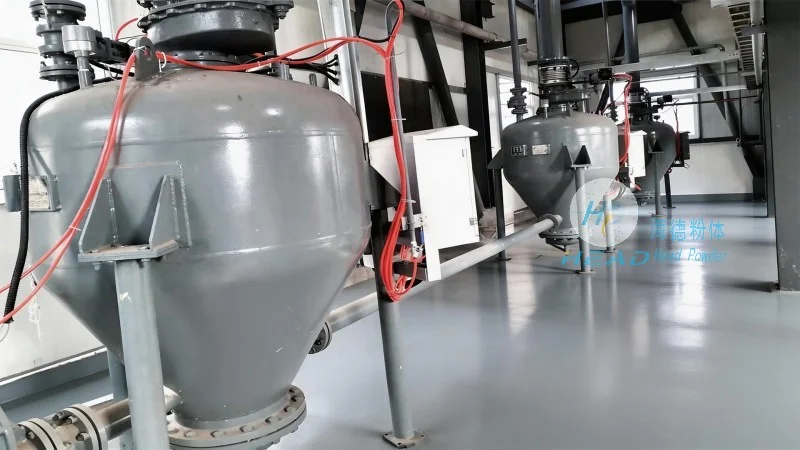
Monosodium glutamate powder pneumatic conveying systems represent a sophisticated and effective solution for material handling in the food industry. By understanding pneumatic conveying principles and key working scene characteristics, manufacturers can select and implement systems matching their operational needs. These systems offer advantages like minimal product degradation, reduced contamination risks, and efficient fine powder handling. However, system success depends on careful consideration of material properties, transport distance, and environmental conditions. In the context of Shandong HeadPowder Engineering Co., Ltd.—a leading provider of engineering solutions for the food processing industry—the company specializes in designing and manufacturing customized pneumatic conveying systems tailored to client needs. With a focus on quality, efficiency, and reliability, HeadPowder Engineering has developed systems widely used in MSG and other food ingredient production. The company's expertise in system design, material selection, and integration ensures clients receive solutions optimized for their applications. As the demand for efficient, hygienic material handling grows in the food industry, pneumatic conveying systems will remain critical to modern processing facilities. By leveraging principles and characteristics outlined here, manufacturers can enhance operational efficiency, improve product quality, and maintain industry compliance. The future of MSG powder handling lies in advanced pneumatic conveying systems tailored to evolving food industry needs.