

Principle and Working Scene Characteristics of Intermittent Feeding Material Pneumatic Conveying Lin
Intermittent feeding material pneumatic conveying lines are advanced industrial systems designed to transport bulk materials efficiently and reliably. These systems are widely used in various industries, including pharmaceuticals, food processing, and chemical manufacturing, where precise material handling is critical. The core of these systems lies in their ability to handle different materials with varying properties, ensuring consistent performance and minimal downtime.
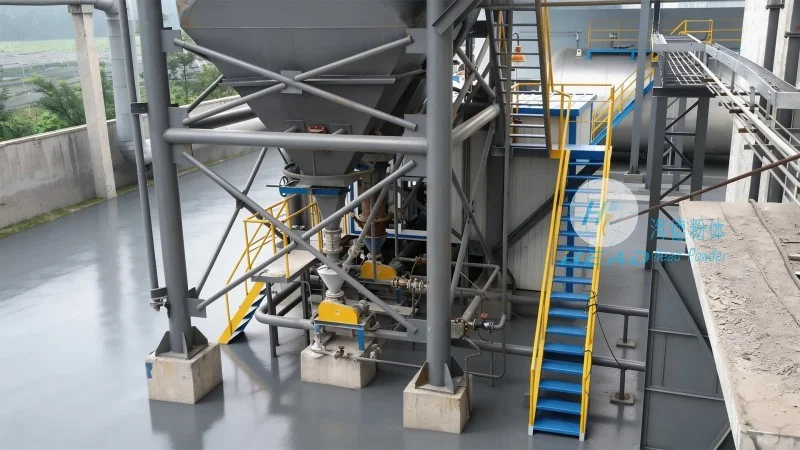
Understanding the Core Principle of Intermittent Feeding Pneumatic Conveying
The fundamental principle of intermittent feeding material pneumatic conveying involves the use of air or gas as the conveying medium to transport solid materials from one location to another. Unlike continuous systems, intermittent feeding systems operate by periodically introducing material into the conveying line, which allows for better control over the flow rate and reduces the risk of material degradation or blockages. This method is particularly effective for handling materials that are sensitive to moisture, temperature, or air exposure.
Key Components and Their Functions
Intermittent feeding pneumatic conveying lines typically consist of several key components, each playing a crucial role in the overall operation. The primary components include a feeding hopper, a rotary valve or feeder, a conveying line (often with bends and filters), a receiver or discharge hopper, and a vacuum or pressure source. The feeding hopper stores the material and provides a controlled feed to the system. The rotary valve or feeder controls the amount of material released into the conveying line, ensuring a consistent flow. The conveying line transports the material through the system, often using a combination of positive pressure and vacuum to move the material. The receiver or discharge hopper collects the material at the destination. The vacuum or pressure source provides the necessary force to move the material through the line.
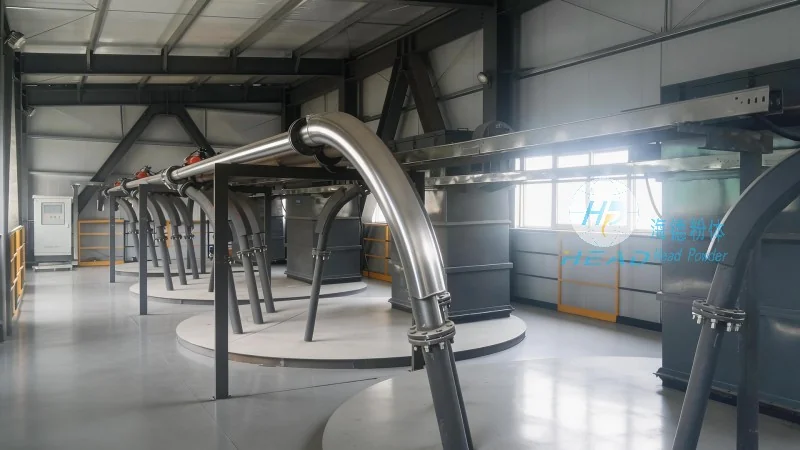
Working Scene Characteristics and Applications
The working scene characteristics of intermittent feeding material pneumatic conveying lines are tailored to meet the specific needs of different industrial applications. For example, in pharmaceutical manufacturing, these systems are used to transport powders and granules with high purity requirements, ensuring that the material remains sterile and free from contamination. In food processing, the systems are designed to handle food-grade materials, with features such as stainless steel construction and easy-to-clean components to maintain hygiene standards. In chemical manufacturing, the systems are used to transport materials that may be hazardous or reactive, with safety features such as explosion-proof designs and material-specific filters to prevent leaks or reactions.
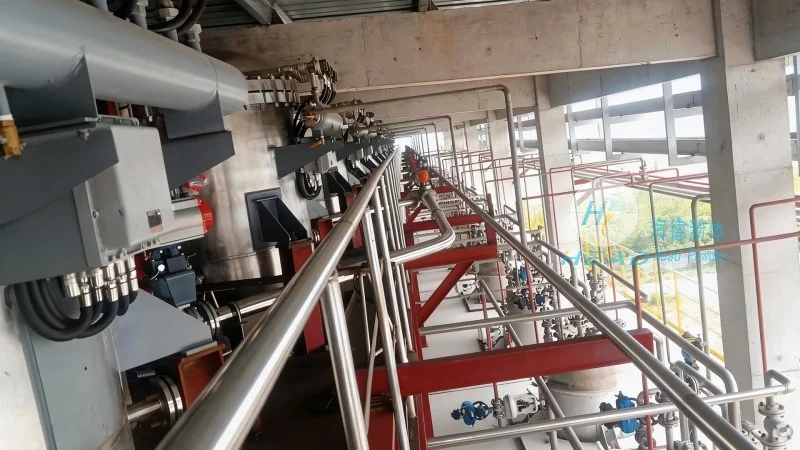
Advantages of Intermittent Feeding Pneumatic Conveying Systems
Intermittent feeding material pneumatic conveying systems offer several advantages over traditional material handling methods. One of the key advantages is the ability to handle a wide range of materials, including fine powders, granules, and bulk solids. The systems are also highly flexible, allowing for easy integration into existing production lines and modifications to accommodate different material types or production volumes. Another advantage is the reduced risk of material degradation or contamination, as the material is enclosed within the conveying line and is not exposed to the environment. Additionally, these systems can operate in a variety of environments, including clean rooms and hazardous areas, making them suitable for a wide range of applications.
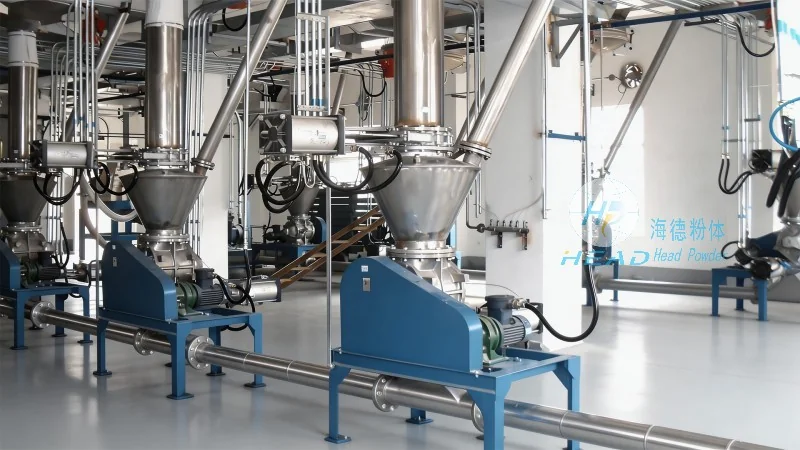
Customization and Scalability for Diverse Needs
Shandong HeadPowder Engineering Co., Ltd. specializes in designing and manufacturing customized intermittent feeding material pneumatic conveying systems to meet the unique requirements of each client. The company, known as headpowder, offers a range of solutions tailored to different industries and applications. For example, the company can design systems with different feeding mechanisms, such as rotary valves or screw feeders, to handle various material types and flow rates. The systems can also be scaled to accommodate different production volumes, from small-scale operations to large industrial plants. The company's expertise in material handling and pneumatic conveying ensures that each system is optimized for performance and efficiency.
Conclusion: Enhancing Material Handling Efficiency
Intermittent feeding material pneumatic conveying lines are essential tools for modern industrial operations, providing efficient and reliable material handling solutions. With their ability to handle a wide range of materials and adapt to different working environments, these systems are critical for maintaining productivity and quality in various industries. Shandong HeadPowder Engineering Co., Ltd., as a leading manufacturer in the field, continues to innovate and provide high-quality systems that meet the evolving needs of the industry. By understanding the principles and characteristics of these systems, businesses can make informed decisions about their material handling strategies and improve overall operational efficiency.