

Principle and Working Scene Characteristics of Molybdenum Concentrate Powder Pneumatic Conveying Lin
Shandong HeadPowder Engineering Co., Ltd., commonly known as headpowder, is a professional manufacturer and supplier based in Shandong, China. The company specializes in the design, development, and implementation of advanced material handling systems, including pneumatic conveying lines for molybdenum concentrate powder. This article provides an in-depth exploration of the principles underlying molybdenum concentrate powder pneumatic conveying lines and highlights the key characteristics of their working environments.
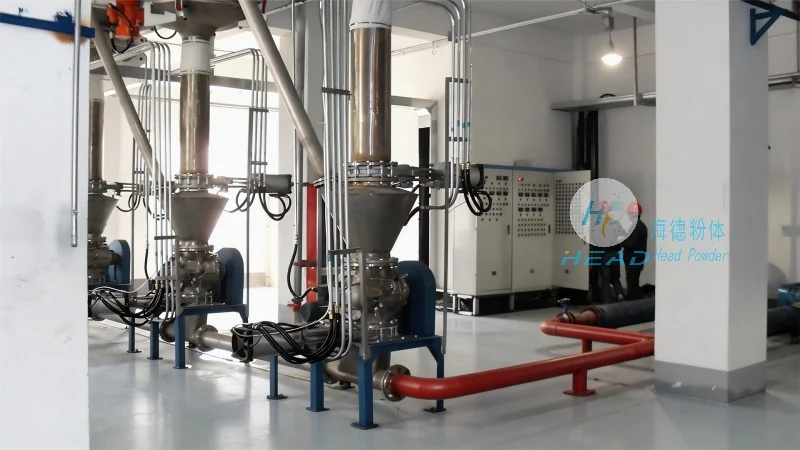
Introduction to Molybdenum Concentrate Powder Pneumatic Conveying Systems
Molybdenum concentrate powder is a critical raw material in various industrial applications, such as the production of molybdenum alloys, catalysts, and high-performance materials. Efficient and reliable transportation of this fine powder is essential to maintain production continuity and ensure product quality. Pneumatic conveying systems offer a versatile and effective solution for handling molybdenum concentrate powder, addressing challenges like dust control, material segregation, and environmental compliance.
The Fundamental Principle of Pneumatic Conveying
Pneumatic conveying operates by using air or gas to transport bulk materials through a pipeline system. The core principle involves creating a pressure differential or vacuum to move the material from the source to the destination. There are two primary types of pneumatic conveying: pressure conveying and vacuum (or suction) conveying. In pressure conveying, compressed air is introduced at the material inlet, pushing the powder through the pipeline. Vacuum conveying, on the other hand, uses a vacuum pump to draw the material into the system. For molybdenum concentrate powder, which is often fine and prone to static electricity, pressure conveying is commonly preferred due to its ability to maintain consistent flow rates and minimize material degradation.
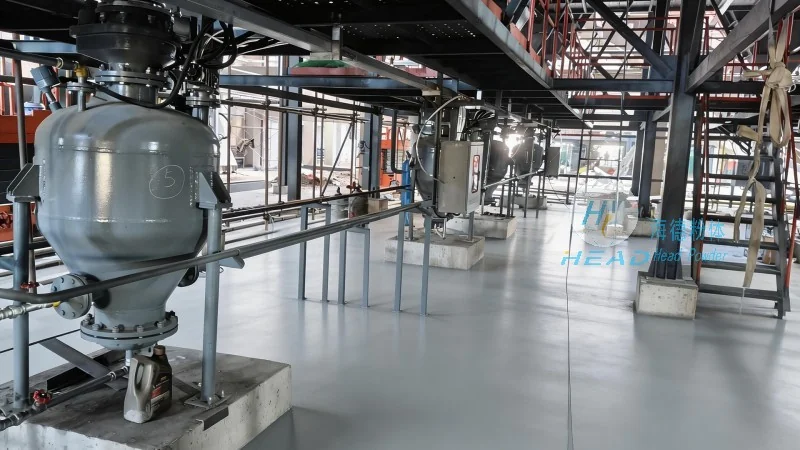
Key Working Scene Characteristics of Molybdenum Concentrate Powder Pneumatic Conveying Lines
The working environment of molybdenum concentrate powder pneumatic conveying lines is characterized by several distinct features that influence system design and operation. First, the material's fine particle size and high density require specialized equipment to prevent blockages and ensure smooth flow. The conveying lines are typically constructed from materials resistant to corrosion and abrasion, such as stainless steel or special alloys, to withstand the harsh conditions of molybdenum processing. Second, dust control is a critical consideration in industrial settings, as fine powders can pose health and safety risks. Advanced filtration systems and sealed pipelines are integrated into the design to minimize airborne dust and comply with environmental regulations. Third, the system's flexibility allows for integration with existing production lines, enabling seamless material transfer between storage, processing, and packaging stages. This adaptability is particularly valuable in dynamic manufacturing environments where production schedules and material requirements may change frequently.
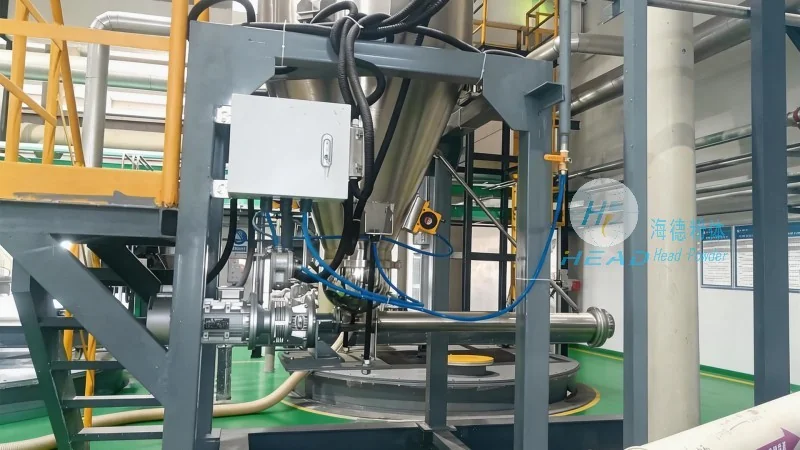
Efficiency and Reliability in Industrial Applications
The effectiveness of molybdenum concentrate powder pneumatic conveying lines is demonstrated through their ability to enhance operational efficiency and reduce downtime in industrial settings. By eliminating the need for manual handling and traditional bulk transport methods, such as trucks or conveyor belts, the system streamlines material movement and improves overall productivity. The consistent flow rates and controlled pressure levels ensure that the material is delivered to the next stage of processing without interruption, minimizing the risk of bottlenecks or quality issues. Additionally, the automated nature of the system reduces labor costs and human error, contributing to long-term operational reliability. In applications involving high-volume production, the scalability of pneumatic conveying systems allows for easy expansion to meet increasing demand, making them a sustainable solution for growing businesses.
Conclusion
Shandong HeadPowder Engineering Co., Ltd. specializes in providing customized molybdenum concentrate powder pneumatic conveying solutions tailored to the specific needs of industrial clients. By leveraging advanced engineering principles and robust manufacturing processes, the company ensures that its systems deliver optimal performance, efficiency, and safety in diverse working environments. The principles and characteristics discussed in this article highlight the importance of selecting the right pneumatic conveying technology for handling molybdenum concentrate powder, ultimately contributing to improved productivity and operational success in the industry.