

Principle and Working Scene Characteristics of Carbon Black Powder Material Pneumatic Conveying Line
Carbon black powder, a critical material in various industrial applications, often requires efficient and reliable transportation methods. The pneumatic conveying line, specifically designed for carbon black powder, offers a solution that combines technology with practicality. This article explores the fundamental principles behind such systems and highlights the key characteristics of their operational environments.
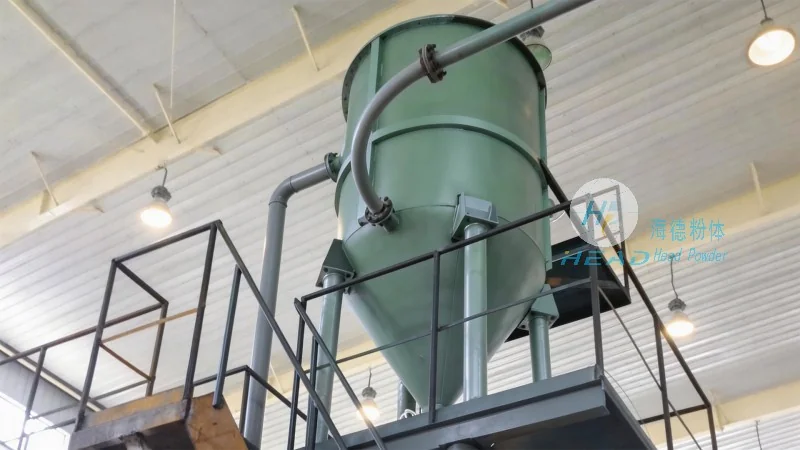
Introduction to Carbon Black Powder Pneumatic Conveying Systems
Shandong HeadPowder Engineering Co., Ltd., a leading provider in the field, specializes in the design and implementation of advanced pneumatic conveying solutions for carbon black powder. With a strong presence in China, particularly in Shandong, the company leverages years of industry experience to deliver systems that meet the stringent demands of modern manufacturing processes. The carbon black powder pneumatic conveying line is not just a transport mechanism but a critical component that enhances productivity, ensures material integrity, and reduces operational costs.
The Core Principle of Pneumatic Conveying for Carbon Black Powder
The pneumatic conveying system operates on the principle of using air or gas to transport particulate materials like carbon black powder through a pipeline. This method, known as pneumatic transport, eliminates the need for mechanical components such as belts or buckets, thereby minimizing wear and tear and reducing maintenance requirements. The system typically consists of a feeding unit, a conveying pipeline, a control system, and a discharge unit. The feeding unit introduces the carbon black powder into the pipeline, while the control system regulates the air flow and pressure to ensure smooth and consistent transport. The discharge unit then collects the material at the destination point.
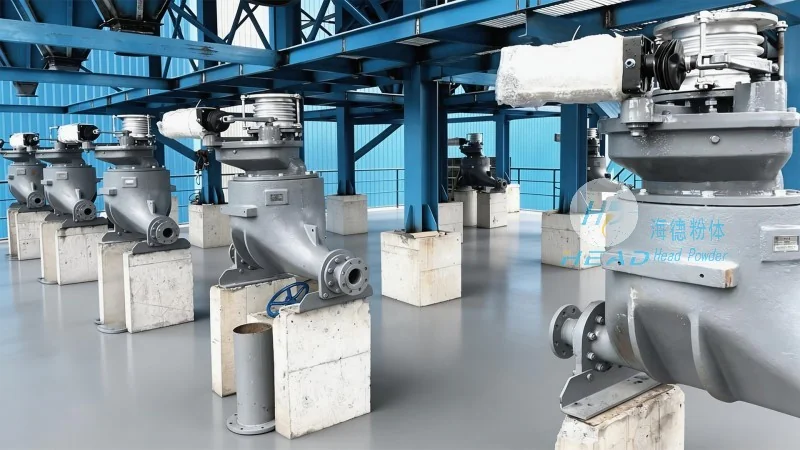
Key Working Scene Characteristics of Carbon Black Powder Pneumatic Conveying Lines
The operational environment of a carbon black powder pneumatic conveying line is characterized by several factors that influence its performance and efficiency. Firstly, the material's properties, such as particle size, density, and moisture content, play a crucial role. Carbon black powder, being fine and often abrasive, requires systems designed to handle these characteristics without clogging or damaging components. Secondly, the system's scalability is essential, as it must accommodate varying production volumes and material flow rates. This adaptability is vital in industries where demand fluctuates or where multiple production lines need to be integrated. Thirdly, the system's integration with other equipment, such as storage silos and processing units, is critical for seamless workflow. The ability to connect the conveying line to existing infrastructure without significant modifications enhances operational flexibility and reduces downtime.
Advantages and Considerations in Carbon Black Powder Pneumatic Conveying
Implementing a carbon black powder pneumatic conveying line offers several advantages that make it a preferred choice for many industries. One of the primary benefits is the reduction in material handling costs. By eliminating the need for manual or mechanical handling, the system minimizes labor expenses and operational overhead. Additionally, the enclosed pipeline system prevents dust contamination, which is crucial for maintaining product quality and compliance with environmental regulations. The system also provides better control over material flow, allowing for precise dosing and consistent delivery to downstream processes. However, there are considerations to keep in mind. The initial investment cost can be higher compared to traditional methods, and the system requires regular maintenance to ensure optimal performance. Furthermore, the system's efficiency depends on the proper selection of air velocity and pipeline diameter, which must be matched to the material's characteristics to avoid issues like clogging or pressure loss.
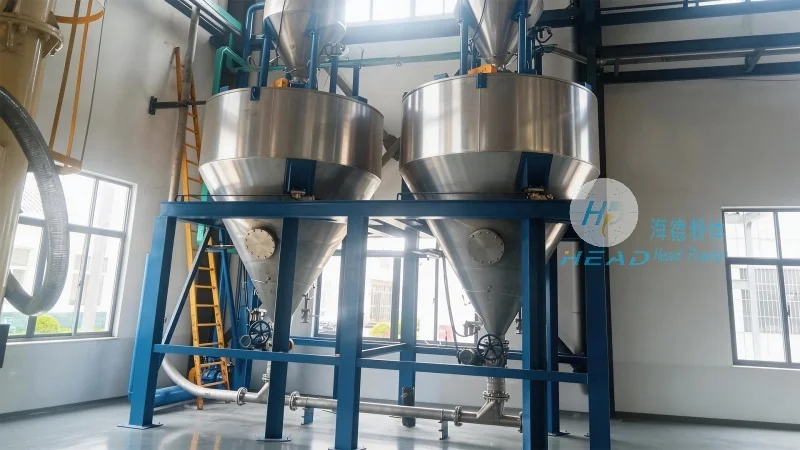
Application Scenarios and Industry Impact
The carbon black powder pneumatic conveying line is widely used in various industries, including rubber manufacturing, plastics, and pigments. In rubber production, for instance, carbon black is a key additive that enhances the mechanical properties of rubber compounds. The pneumatic conveying system ensures that carbon black is delivered to the mixing equipment in a controlled manner, improving the consistency and quality of the final product. In the plastics industry, the system helps in transporting carbon black to extrusion and molding machines, where it is incorporated into plastic resins. The ability to handle fine powders without segregation or loss is particularly important in these applications. The impact of such systems extends beyond material transport; they contribute to overall process efficiency, reduce waste, and enhance safety by minimizing exposure to dust and airborne particles.
Conclusion and Future Outlook
Carbon black powder pneumatic conveying lines, as described, represent a sophisticated solution for the efficient transportation of fine particulate materials. The principles and characteristics outlined above highlight the importance of tailored system design and proper operational management. Companies like Shandong HeadPowder Engineering Co., Ltd. continue to innovate and refine these systems to meet the evolving needs of industrial applications. As technology advances, the integration of automation and smart control systems is expected to further enhance the performance and reliability of pneumatic conveying lines, making them an indispensable part of modern material handling processes.