

Principle and Working Scene Characteristics of Oat Flour Material Pneumatic Conveying Line
For industries dealing with bulk materials like oat flour, efficient and reliable material handling systems are crucial for maintaining production efficiency and product quality. Pneumatic conveying lines, specifically designed for handling oat flour, offer a solution that combines advanced technology with practical application in various industrial settings. This article explores the fundamental principles behind pneumatic conveying systems for oat flour and highlights the key characteristics of their working environments.
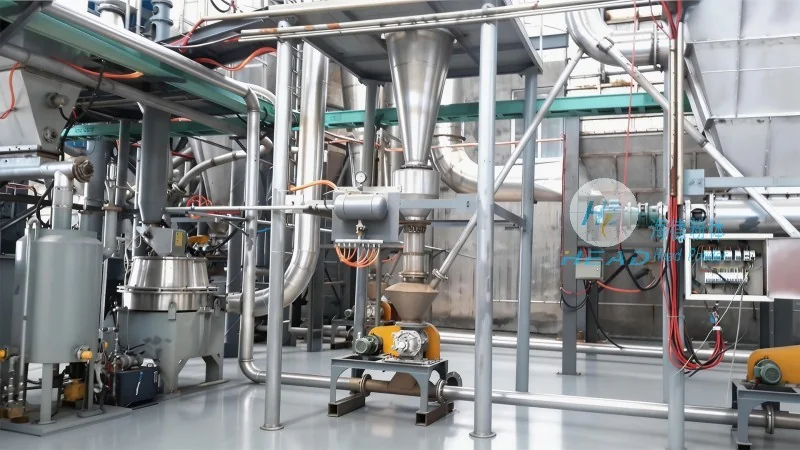
Understanding the Principle of Oat Flour Pneumatic Conveying
The core principle of pneumatic conveying for oat flour involves transporting dry bulk materials through a pipeline using compressed air or other gas streams. Unlike traditional mechanical conveying methods, which rely on belts, buckets, or screws, pneumatic systems utilize air pressure to move materials. In the case of oat flour, the system typically operates under negative pressure (suction) or positive pressure (blowing), depending on the specific application and layout of the conveying line. The process begins with the material being fed into a hopper or feeder, where it is then drawn or pushed through the pipeline by the air flow. Compressed air is introduced at specific points along the line to maintain the material's suspension and ensure smooth transport. The design of the conveying line, including the size of the pipeline, the type of air nozzles, and the placement of cyclones or filters, is critical to achieving optimal performance. For oat flour, which is a fine, dry powder, the system must be engineered to prevent clogging, maintain consistent flow rates, and minimize product degradation due to friction or air turbulence.
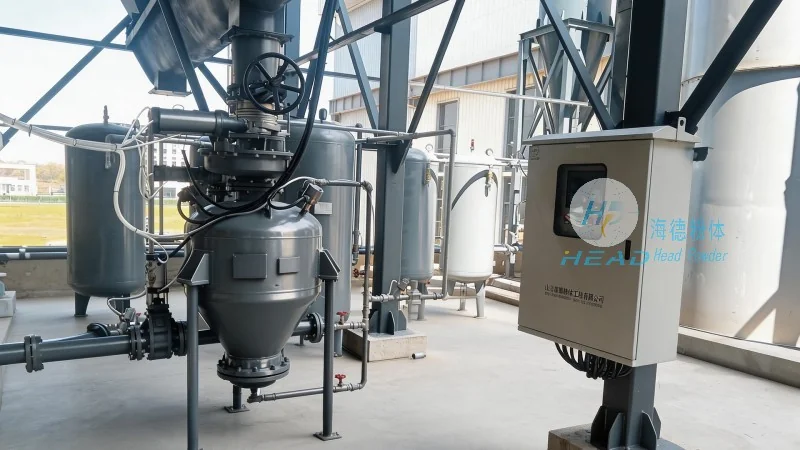
Key Working Scene Characteristics of Oat Flour Pneumatic Conveying Lines
The working scene characteristics of pneumatic conveying lines for oat flour are shaped by several factors that influence their effectiveness in real-world industrial applications. One of the primary characteristics is the system's ability to handle fine powders without excessive dust generation or product loss. Oat flour, being a delicate powder, requires a conveying system that minimizes particle breakage and maintains its physical properties. The design of the pipeline and the use of appropriate air velocities are crucial in achieving this. Additionally, the system's scalability and adaptability to different production volumes are important characteristics. Whether for small-scale batch processing or large-scale continuous production, the pneumatic conveying line must be able to adjust its flow rate and pressure to meet the demands of the operation. Another key characteristic is the system's integration with other processing equipment, such as mixers, blenders, or packaging machines. The ability to seamlessly connect the conveying line to downstream processes ensures smooth workflow and reduces downtime. Furthermore, the working environment of the conveying line, including temperature control and dust containment, plays a significant role in maintaining product quality and safety standards. In industrial settings, especially those dealing with food-grade materials like oat flour, compliance with hygiene and safety regulations is paramount. The pneumatic conveying system must be designed to prevent contamination and ensure easy cleaning and maintenance, which are essential for maintaining product integrity and meeting regulatory requirements.
Application Scenarios and Practical Considerations
Pneumatic conveying lines for oat flour are widely used in various industrial applications, each with its own unique requirements and challenges. One common scenario is in the food processing industry, where oat flour is used as an ingredient in baked goods, cereals, and other food products. In such settings, the conveying line must be constructed from materials that are food-grade and easy to clean, such as stainless steel. The system must also be able to handle the varying moisture content of the oat flour, which can affect its flow characteristics and the overall conveying efficiency. Another application scenario is in the agricultural and feed processing sectors, where oat flour is used as a component in animal feed formulations. Here, the conveying line may need to handle larger quantities of material and operate under different pressure conditions to accommodate the feed production process. The working scene characteristics in these applications often involve longer conveying distances and more complex system layouts, requiring careful engineering to ensure reliable operation. Practical considerations for implementing an oat flour pneumatic conveying line include the selection of the appropriate conveying method (suction or pressure), the sizing of the pipeline based on material flow rate and air velocity, and the placement of dust collection systems to prevent environmental contamination. Additionally, the system's energy efficiency is an important factor, as pneumatic conveying can be energy-intensive. Optimizing the air pressure and flow rates, along with using efficient air compressors and filters, can help reduce operational costs and environmental impact. Maintenance and operational reliability are also critical considerations, as downtime in material handling can significantly impact production schedules and costs. Regular inspection and maintenance of the conveying line components, such as hoppers, pipelines, and air nozzles, are necessary to ensure consistent performance and extend the system's lifespan.
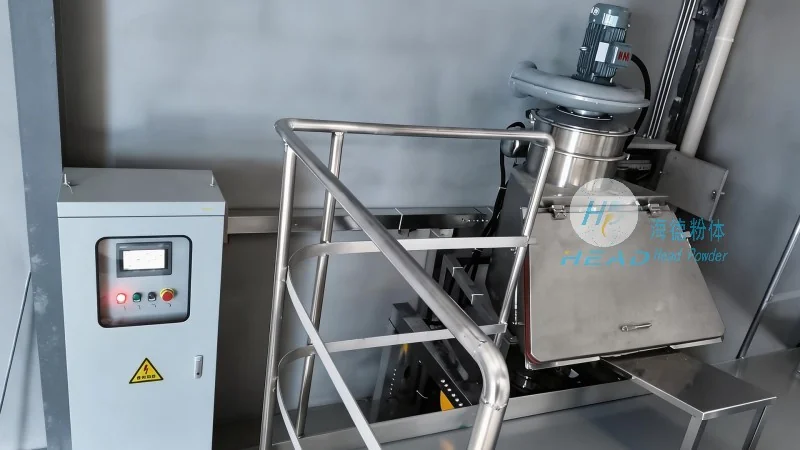
Conclusion and Company Overview
In conclusion, pneumatic conveying lines for oat flour represent an advanced and efficient solution for material handling in various industrial applications. The principles behind these systems, combined with their working scene characteristics, make them a reliable choice for industries dealing with fine bulk materials. The ability to handle oat flour without degradation, maintain product quality, and integrate seamlessly with other processing equipment are key advantages. As a leading provider in the field, Shandong HeadPowder Engineering Co., Ltd. specializes in designing and manufacturing customized pneumatic conveying systems tailored to the specific needs of oat flour processing. With a focus on quality, efficiency, and compliance with industry standards, the company ensures that its systems meet the highest operational and safety requirements. Located in Shandong, China, HeadPowder leverages its expertise and experience to deliver innovative solutions that enhance productivity and reduce operational costs for clients in the food and agricultural sectors. By understanding the unique characteristics of oat flour and the demands of industrial applications, HeadPowder continues to provide reliable and effective pneumatic conveying solutions that meet the evolving needs of the industry.