

Operation Process and Working Principle of Feed Pneumatic Conveying Systems
Feed pneumatic conveying systems are essential equipment in the animal feed and agricultural industries, designed to efficiently transport bulk materials such as feed pellets, powders, and grains over long distances. These systems utilize air pressure to move materials through a pipeline network, offering advantages like dust control, reduced labor costs, and improved hygiene compared to traditional mechanical conveyors. HeadPowder, a leading manufacturer of feed processing equipment, specializes in designing and manufacturing high-quality feed pneumatic conveying systems tailored to the needs of feed processing facilities. The operation process and working principle of these systems are critical for understanding their functionality and optimizing performance in feed processing facilities.
Key Components of Feed Pneumatic Conveying Systems
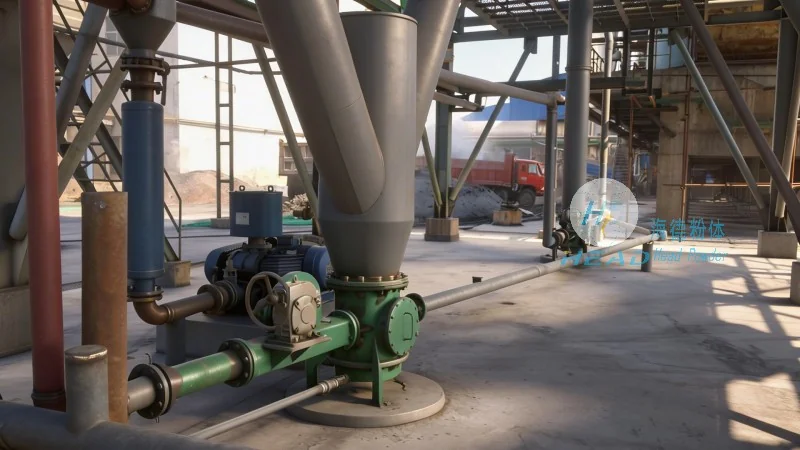
All feed pneumatic conveying systems consist of several core components that work in tandem to ensure smooth material transport. The primary components include a material hopper or feeder, an air compressor or blower, a pipeline system, and a discharge point or receiver. The material hopper is responsible for storing and feeding the feed material into the system, while the air compressor generates the necessary air pressure to move the material through the pipeline. The pipeline network, typically made of stainless steel or other corrosion-resistant materials, transports the material from the feeder to the discharge point. The discharge point may be a storage silo, a processing unit, or another location where the feed is needed. Each component plays a vital role in the overall operation, and proper maintenance and selection are crucial for optimal performance.
The Working Principle of Feed Pneumatic Conveying
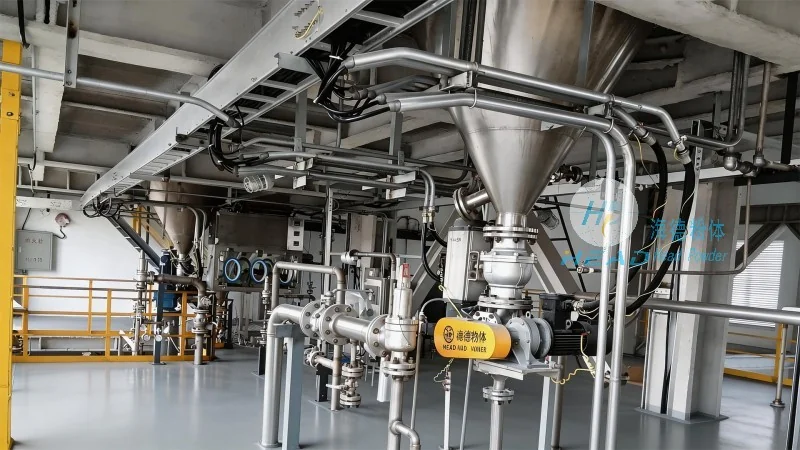
The working principle of feed pneumatic conveying systems is based on the principle of air flow and material suspension. When the air compressor operates, it generates a high-pressure air stream that is introduced into the pipeline. The feed material is then introduced into the pipeline at a controlled rate, either by gravity from a hopper or by a feeder mechanism. The air stream creates a low-pressure zone within the pipeline, which draws the feed material into the air stream and suspends it. The suspended material is then carried along the pipeline by the air flow to the discharge point. The velocity of the air stream and the size of the material particles determine the efficiency of the conveying process. Proper design of the system, including the air velocity and pipeline diameter, is essential to ensure that the material is conveyed without damage and with minimal pressure drop.
Operation Process of Feed Pneumatic Conveying Systems
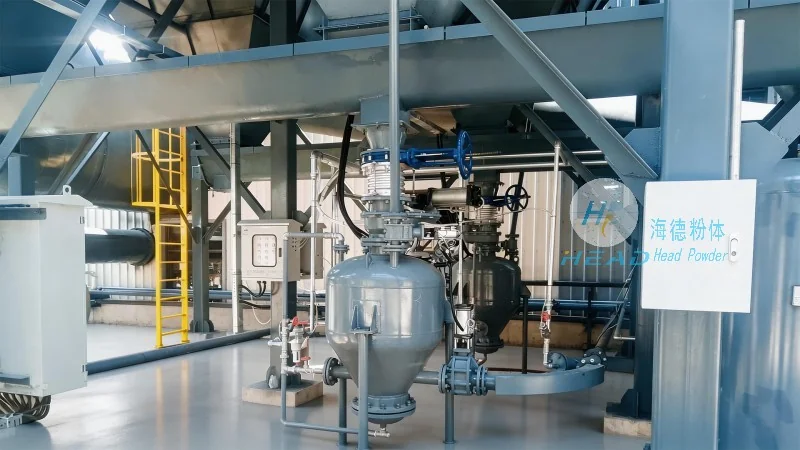
The operation process of feed pneumatic conveying systems involves several steps to ensure efficient and safe material transport. First, the material is loaded into the hopper or feeder. The feeder then controls the flow rate of the material into the system, ensuring a consistent feed rate. Next, the air compressor is started, and the air pressure is adjusted to the appropriate level for the material being conveyed. The material is then introduced into the pipeline, and the air stream carries it to the discharge point. The discharge point may be a storage silo, a processing unit, or another location where the feed is needed. The system continues to operate until the material is fully transferred. During operation, the pressure and flow rates are monitored to ensure that the system is operating within safe and efficient parameters. Any issues, such as blockages or pressure drops, are detected and addressed promptly to prevent system downtime.
Advantages of Feed Pneumatic Conveying Systems
Feed pneumatic conveying systems offer several advantages over traditional mechanical conveyors. One of the primary advantages is the ability to transport materials over long distances without the need for multiple transfer points. This reduces the risk of material contamination and improves overall efficiency. HeadPowder's feed pneumatic conveying systems are engineered to provide precise control over material flow, ensuring consistent and reliable transport of feed materials. Another advantage is the enhanced hygiene and easier cleaning capabilities, which are crucial in feed processing environments where sanitation is paramount. The systems also require less space and can be installed in flexible configurations, making them suitable for various facility layouts.
Maintenance and Troubleshooting for Feed Pneumatic Conveying Systems
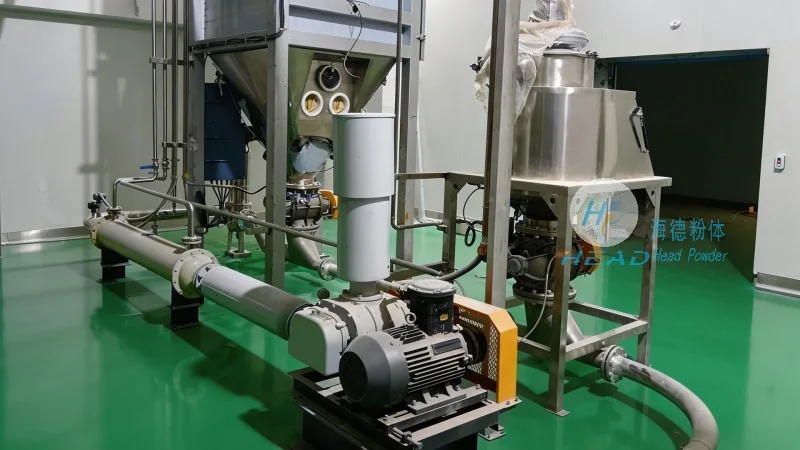
Proper maintenance is essential to ensure the long-term performance and reliability of feed pneumatic conveying systems. Regular maintenance tasks include checking the air compressor for proper operation, inspecting the pipeline for leaks or blockages, and cleaning the hopper and feeder to prevent material buildup. The air filter and compressor oil should also be checked and replaced as needed to ensure efficient operation. Troubleshooting common issues, such as low pressure or material blockages, is also important. Low pressure may indicate a problem with the air compressor or a blockage in the pipeline. Material blockages can be caused by too much material being fed into the system or the presence of foreign objects. By addressing these issues promptly, the system can be kept in optimal condition and avoid costly downtime.