

Operation Process and Working Principle of Dry Bulk Pneumatic Conveying Systems
Understanding the operation and working principles of dry bulk pneumatic conveying systems is crucial for industries that rely on efficient material handling solutions. These systems are designed to transport dry materials such as powders, granules, and bulk solids through a pipeline using air or gas as the conveying medium. The technology offers a versatile and effective method for moving materials over short or long distances, with applications spanning various sectors including food processing, pharmaceuticals, chemicals, and manufacturing.
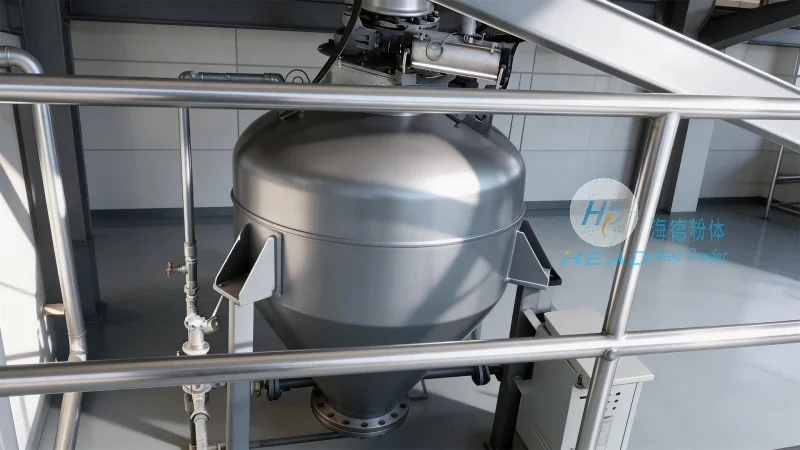
Key Components of a Pneumatic Conveyor System
At the core of any dry bulk pneumatic conveying system are several essential components that work in tandem to ensure smooth material transport. The primary components include the hopper or feed hopper, which holds the material to be conveyed; the air compressor or blower, which generates the necessary air pressure to move the material; the pipeline or conveying line, which serves as the path for the material and air mixture; the control valves and regulators, which manage the air flow and pressure; and the receiver or discharge hopper, where the material is collected after transport. Each component plays a vital role in the overall efficiency and performance of the system.
Operation Process of Dry Bulk Pneumatic Conveying
The operation process of a dry bulk pneumatic conveyor typically involves several sequential steps. First, the material is fed into the hopper from a storage silo or other source. The air compressor then starts, creating a pressure differential within the system. As the air is introduced into the pipeline, it draws the material from the hopper and carries it through the conveying line. The material and air mixture travels to the receiver, where the air is separated from the material, often through a cyclone separator or other air filtration device. The separated material is then collected in the receiver, while the air is either vented to the atmosphere or recirculated back to the system, depending on the design. This process allows for continuous or batch operation, depending on the system configuration and material handling requirements.
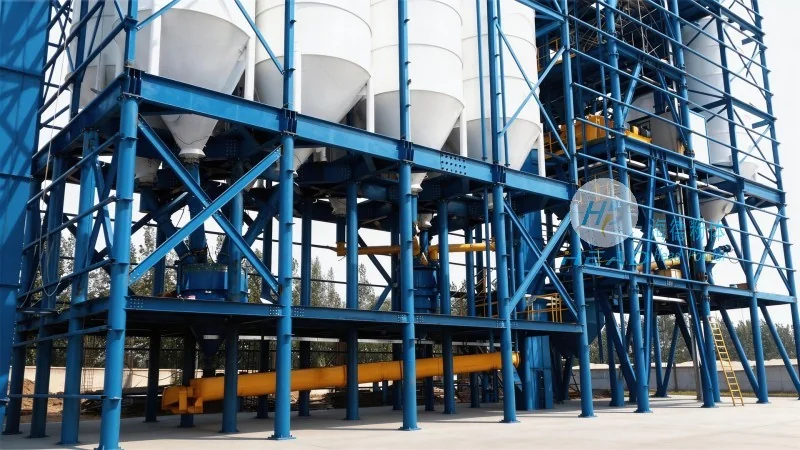
Working Principle: How Pneumatic Conveying Transports Materials
The working principle of dry bulk pneumatic conveying is based on the fundamental concept of fluidization and suspension of the material particles in the air stream. When air is introduced into the hopper at a sufficient velocity, it creates a fluidized bed of the material, lifting the particles and carrying them along the pipeline. The velocity of the air must be high enough to overcome the gravitational force acting on the particles and maintain them in suspension. The pressure drop along the pipeline is a critical factor, as it determines the flow rate and the ability to transport the material over longer distances. Different types of pneumatic conveying systems, such as positive pressure, negative pressure, or hybrid systems, vary in their approach to generating the air flow and managing the pressure differential, but all aim to achieve efficient material transport with minimal energy consumption and equipment wear.
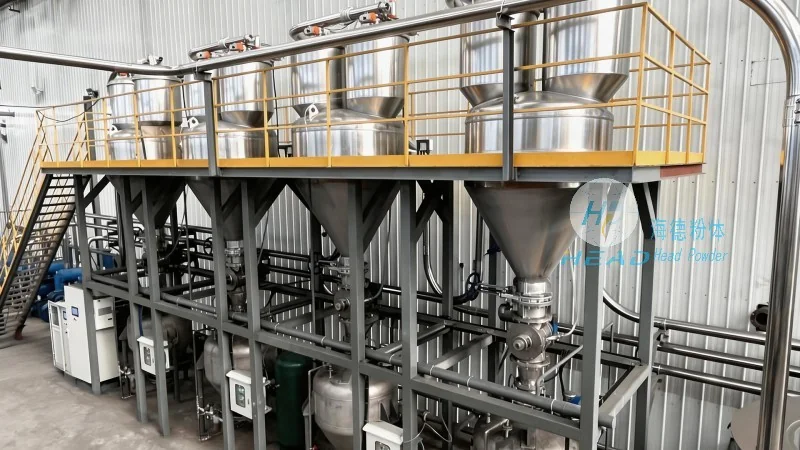
Applications and Benefits of Dry Bulk Pneumatic Conveying
Dry bulk pneumatic conveying systems are widely used across various industries due to their numerous benefits. The technology offers advantages such as dust-free operation, which is essential for materials that are hazardous or require a clean environment. It also provides a flexible and compact solution for transporting materials over varying distances, with the ability to change the system layout or add additional conveying lines as needed. Additionally, pneumatic conveying systems can handle a wide range of materials, from fine powders to coarse granules, and can be integrated with other processing equipment, such as mixers, classifiers, or packaging machines. The benefits also include reduced labor costs, as the system can operate continuously with minimal human intervention, and lower maintenance requirements compared to traditional mechanical conveying systems like belt conveyors or screw conveyors.
Company Profile: Shandong HeadPowder Engineering Co., Ltd.
Shandong HeadPowder Engineering Co., Ltd., commonly known as headpowder, is a leading manufacturer and supplier of dry bulk pneumatic conveying systems. With a strong commitment to innovation and quality, the company has established itself as a trusted partner for industries seeking reliable material handling solutions. Headpowder specializes in designing and manufacturing customized pneumatic conveying systems tailored to the specific needs of each client, ensuring optimal performance and efficiency. The company's products are engineered to meet international standards and are backed by a team of experienced engineers and technicians who provide comprehensive support, from system design and installation to maintenance and after-sales service. Headpowder's headquarters is located in Shandong, China, where the company operates a state-of-the-art manufacturing facility equipped with advanced technology and stringent quality control measures.