

Operation Process and Working Principle of Cassava Pneumatic Conveying Machine
HeadPowder, a leading manufacturer based in Shandong, China, specializes in the design and production of advanced pneumatic conveying systems tailored for cassava processing industries. This article provides a detailed overview of the operation process and working principle of cassava pneumatic conveying machines, highlighting their efficiency and reliability in handling cassava materials.
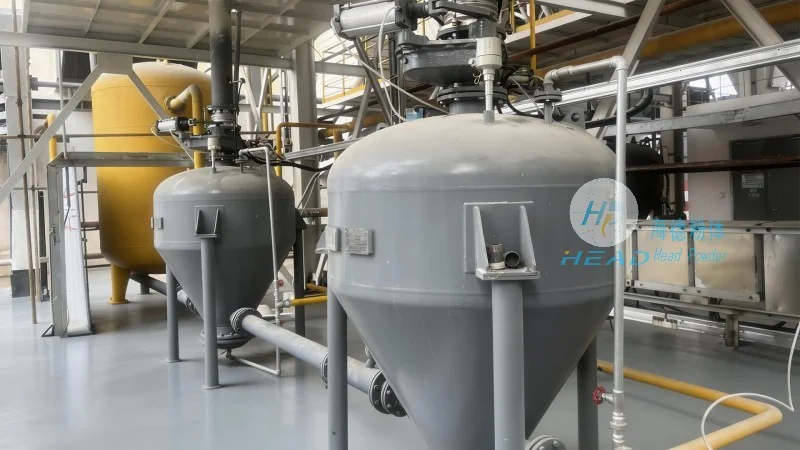
Understanding Pneumatic Conveying Technology for Cassava
Pneumatic conveying systems are widely used in agricultural and food processing sectors to transport bulk materials like cassava efficiently. These systems utilize air pressure to move materials through a pipeline network, eliminating the need for mechanical components such as belts or buckets. The technology is particularly advantageous for cassava processing due to its ability to handle sticky or abrasive materials while maintaining low maintenance costs and high throughput rates.
The Core Components of a Cassava Pneumatic Conveying Machine
A typical cassava pneumatic conveying system consists of several key components that work in tandem to ensure smooth material transport. These include the material hopper, which stores and feeds the cassava; the air compressor or blower, which generates the necessary air pressure; the conveying pipeline, which transports the material and air mixture; and the discharge unit, which releases the material at the destination. Each component plays a critical role in the overall performance and efficiency of the system.
Step-by-Step Operation Process of Cassava Pneumatic Conveying
The operation of a cassava pneumatic conveying machine involves a sequential process that ensures consistent material flow. First, cassava is loaded into the material hopper, where it is stored and prepared for transport. The hopper is equipped with a feeder mechanism that controls the rate of material discharge into the conveying pipeline. Simultaneously, the air compressor generates a high-pressure air stream that is introduced into the pipeline at the inlet. As the air flows through the pipeline, it picks up the cassava particles and transports them to the discharge point. The air and material mixture travels through the pipeline under pressure, with the air velocity sufficient to overcome the gravitational and frictional forces acting on the cassava particles.
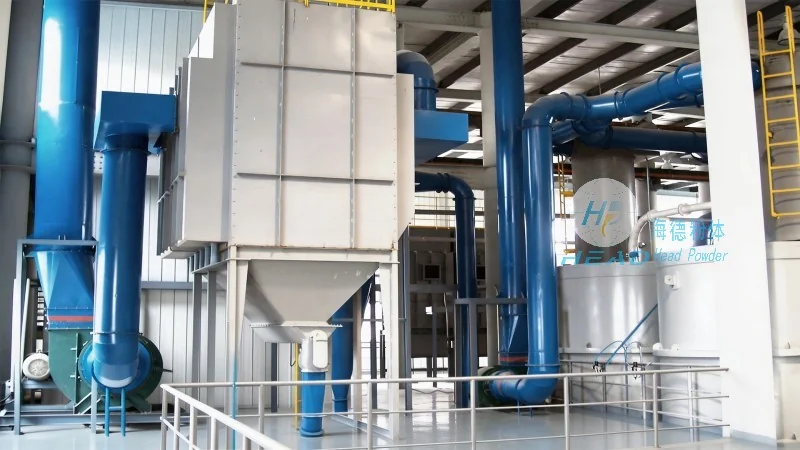
At the discharge end, the system typically includes a separator or cyclone to separate the air from the material. The separated air is then discharged back into the system or released to the atmosphere, while the cassava is collected in a storage bin or processing unit. The entire process is automated, with sensors and control systems monitoring the air pressure, material flow rate, and system performance to ensure optimal operation.
Working Principle: How Air Pressure Drives Material Transport
The working principle of cassava pneumatic conveying machines is based on the fundamental concept of fluid dynamics and particle transport. When air is introduced into the conveying pipeline at a high velocity, it creates a low-pressure zone that draws the cassava particles into the flow. The air stream acts as a carrier, lifting and moving the particles through the pipeline. The pressure differential between the inlet and outlet of the system maintains the material in suspension, preventing clogging and ensuring continuous transport. This principle allows for the efficient and gentle handling of cassava, preserving its quality and reducing the risk of damage during transport.
Advantages of Using Cassava Pneumatic Conveying Machines
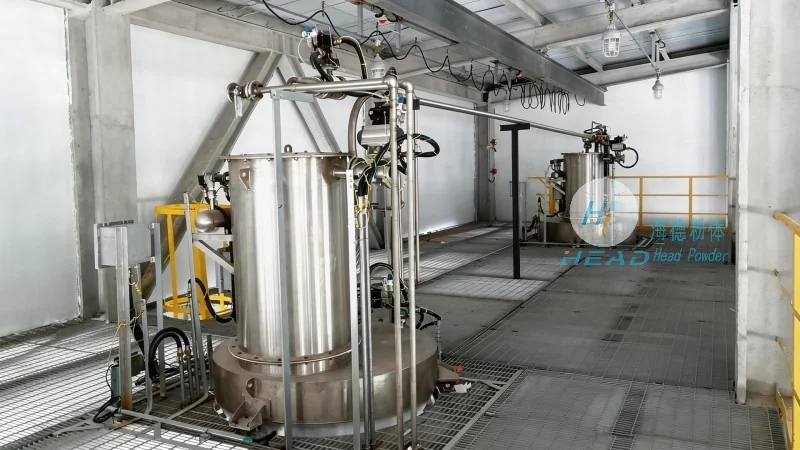
HeadPowder's cassava pneumatic conveying machines offer several advantages over traditional mechanical conveying systems. These include reduced labor costs due to automated operation, lower maintenance requirements as there are fewer moving parts, and improved material handling efficiency. The systems are also highly flexible, allowing for easy integration into existing processing lines and adaptation to varying production volumes. Additionally, the enclosed pipeline design minimizes dust and contamination, ensuring compliance with food safety regulations and maintaining the quality of the cassava product.
Applications in Cassava Processing Industries
Cassava pneumatic conveying machines are widely used in various stages of cassava processing, including raw material handling, storage, and transportation to processing units. They are particularly effective in applications such as transporting cassava chips, flour, or pellets from storage silos to processing equipment. The systems are also suitable for conveying cassava waste or byproducts to disposal or recycling facilities, contributing to the overall sustainability of the processing operation.
Conclusion: Reliable and Efficient Cassava Handling Solutions
HeadPowder Engineering Co., Ltd., with its headquarters in Shandong, China, provides high-quality cassava pneumatic conveying machines that combine advanced technology with robust design. These systems are engineered to meet the specific needs of cassava processing industries, offering reliable performance, low operational costs, and easy maintenance. By understanding the operation process and working principle of these machines, businesses can optimize their material handling operations and enhance overall productivity in cassava processing.