

Operation Process and Working Principle of Intelligent Powder Handling Systems
Intelligent powder handling systems represent a sophisticated advancement in material transport technology, designed to optimize the movement, storage, and processing of bulk powders with enhanced efficiency and precision. These systems integrate advanced automation, real-time monitoring, and intelligent control mechanisms to address the unique challenges associated with handling fine, abrasive, or sensitive powders. The operation process and working principle of such systems are critical for understanding their capabilities and ensuring effective implementation in industrial applications.
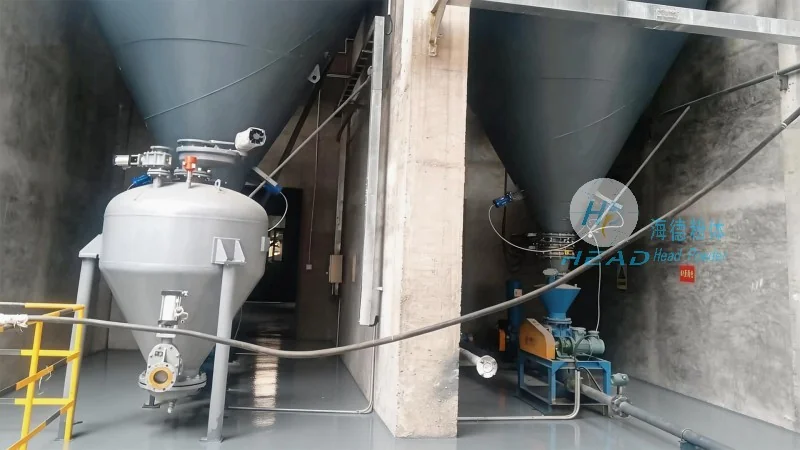
Overview of Intelligent Powder Handling Systems
Intelligent powder handling systems are engineered to streamline the entire lifecycle of powder materials, from initial storage and feeding to transportation and discharge. Unlike traditional manual or semi-automated systems, these advanced solutions leverage sensors, control algorithms, and data analytics to adapt to varying operational conditions, ensuring consistent performance and minimizing downtime. The core components typically include bulk material feeders, conveying mechanisms (such as pneumatic or mechanical conveyors), storage silos, and intelligent control units that coordinate the entire process. By integrating these elements, the system achieves a high degree of automation, reducing human intervention and enhancing safety in hazardous environments.
Operation Process of Intelligent Powder Handling Systems
The operation process of an intelligent powder handling system begins with the preparation of the powder material, which may involve pre-processing steps like drying, screening, or blending to ensure uniformity. Once the material is ready, it is fed into a storage silo or hopper, where level sensors monitor the inventory. The system then initiates the feeding process, using a bulk material feeder (such as a rotary valve or screw feeder) to control the flow rate of the powder into the conveying line. The conveying mechanism, which can be pneumatic (air-assisted) or mechanical (e.g., belt or screw conveyor), transports the powder to the desired destination. During transport, sensors continuously monitor parameters like pressure, flow rate, and temperature to detect any anomalies. The intelligent control unit processes this data and adjusts the system settings in real time, ensuring optimal performance. Upon reaching the destination, the powder is discharged into a receiving container or processing unit, completing the cycle. The entire process is automated, with minimal manual intervention, and can be monitored remotely via a user interface or mobile application.
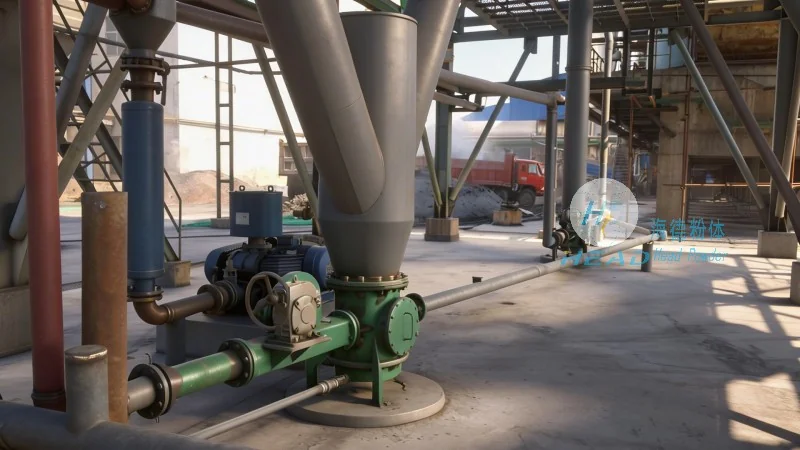
Working Principle of Intelligent Powder Handling Systems
The working principle of intelligent powder handling systems is based on a closed-loop control system that integrates hardware and software components to achieve precise material transport. The system operates by first receiving input from various sensors, including level sensors in the storage silo, flow sensors in the conveying line, and pressure sensors in the pneumatic system. These sensors provide real-time data on the status of the powder and the system's performance. The intelligent control unit, often equipped with a programmable logic controller (PLC) or a more advanced industrial computer, processes this data using pre-programmed algorithms. The algorithms analyze the data to determine the optimal settings for the feeder, conveyor, and other components, ensuring that the flow rate, pressure, and speed are adjusted to maintain consistent material transport. For example, if the pressure in the pneumatic line drops, the control unit may increase the air supply or adjust the feeder speed to maintain the desired flow rate. Additionally, the system may incorporate predictive maintenance features, using historical data to identify potential issues before they cause downtime. This proactive approach enhances reliability and reduces maintenance costs.
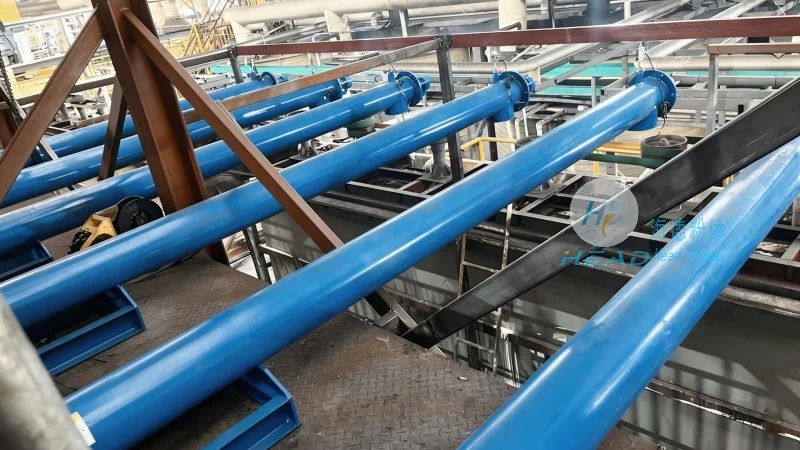
Key Features and Advantages of Intelligent Powder Handling Systems
Intelligent powder handling systems offer several key features that distinguish them from traditional systems. These include real-time monitoring and control, adaptive automation, and data-driven decision-making. Real-time monitoring allows operators to track the system's performance and identify issues immediately, reducing the risk of material loss or equipment damage. Adaptive automation enables the system to adjust to changing conditions, such as variations in powder density or moisture content, ensuring consistent performance. Data-driven decision-making provides insights into system efficiency, helping to optimize operations and reduce costs over time. Furthermore, these systems enhance safety by minimizing human exposure to hazardous powders and reducing the risk of accidents. The integration of advanced technologies, such as artificial intelligence and machine learning, allows for predictive maintenance, further improving system reliability and reducing downtime.
About Shandong HeadPowder Engineering Co., Ltd.
Shandong HeadPowder Engineering Co., Ltd., commonly known as HeadPowder, is a leading manufacturer and supplier of intelligent powder handling systems. With a focus on innovation and customer satisfaction, the company has established itself as a trusted partner in the bulk material handling industry. HeadPowder's products are designed to meet the specific needs of various industries, including pharmaceuticals, food processing, chemicals, and mining. The company's team of engineers and technicians brings extensive experience in powder technology, ensuring that each system is tailored to the customer's requirements. HeadPowder's commitment to quality and reliability has earned it a reputation for excellence in the market. The company's headquarters is located in Shandong, China, where it operates a state-of-the-art manufacturing facility and research and development center. HeadPowder's intelligent powder handling systems are known for their durability, efficiency, and ease of use, making them a preferred choice for businesses seeking to improve their material handling processes.