

Operation Process and Working Principle of Small Bag Weighing Feeding Powder Material Handling Equip
Small bag weighing feeding equipment is a specialized device designed for the precise and efficient handling of powder materials. This equipment is widely used in various industrial sectors, including chemical, pharmaceutical, food, and cement production, where accurate material feeding is critical for process control and product quality. The system integrates advanced weighing technology with automated material transfer mechanisms to ensure consistent and reliable operation.
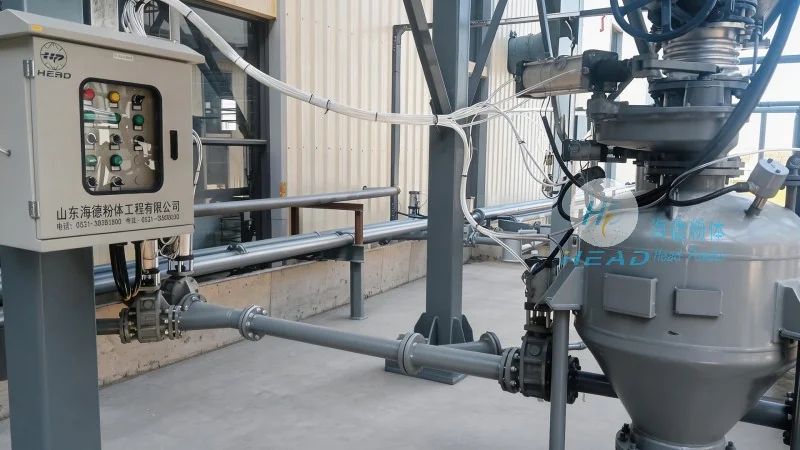
Company Overview: Shandong HeadPowder Engineering Co., Ltd.
HeadPowder, the manufacturer of this advanced equipment, is a leading enterprise in the field of powder material handling solutions. With a strong focus on innovation and quality, the company has established itself as a trusted provider of industrial equipment. HeadPowder's commitment to excellence is reflected in its state-of-the-art manufacturing facilities and rigorous quality control processes, ensuring that each product meets the highest industry standards. The company is headquartered in Shandong, China, and serves a global clientele with tailored solutions for diverse material handling needs.
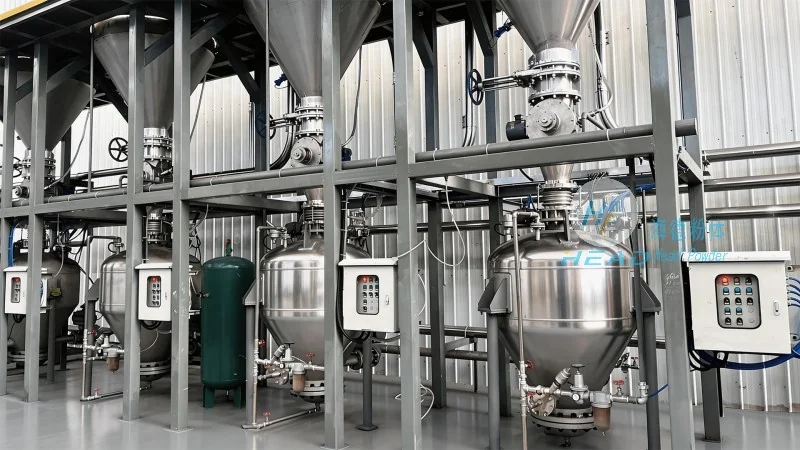
Key Components and Structure of the Small Bag Weighing Feeder
The small bag weighing feeding system typically consists of several key components that work in harmony to achieve accurate material transfer. These components include a hopper for material storage, a weighing platform or scale, a feeding mechanism (such as a screw or conveyor), and a control system for operation. The hopper is designed to hold a sufficient quantity of powder material, while the weighing platform provides the necessary precision for measuring the weight of the material being transferred. The feeding mechanism ensures that the material is moved from the hopper to the discharge point at a controlled rate, and the control system coordinates all operations to maintain consistent performance.
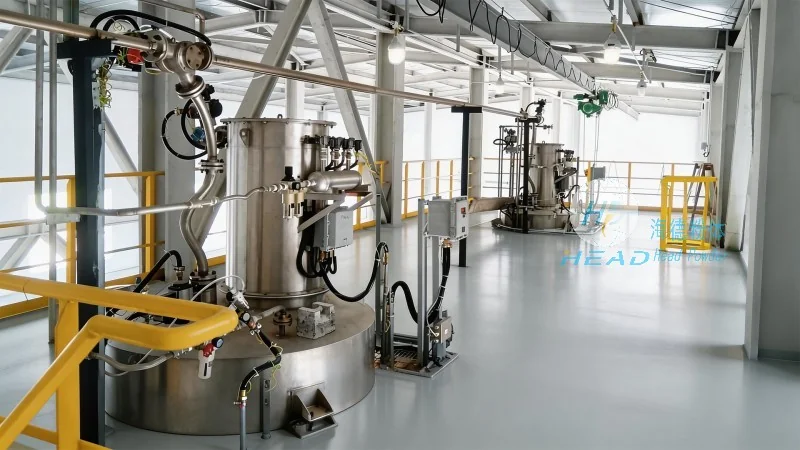
Operation Process of the Small Bag Weighing Feeding Equipment
The operation of the small bag weighing feeder involves a series of steps that ensure accurate and efficient material handling. The process begins with the loading of the hopper with the powder material. The control system then initiates the weighing cycle, where the material is gradually discharged from the hopper onto the weighing platform. As the material accumulates, the scale continuously monitors the weight, and the control system adjusts the feeding rate to maintain the desired weight. Once the target weight is reached, the feeding mechanism stops, and the material is discharged into the next processing stage or storage container. The system then resets and prepares for the next weighing cycle. This cycle repeats continuously, providing a steady and consistent flow of material.
Working Principle of the Small Bag Weighing Feeder
The working principle of the small bag weighing feeder is based on the integration of weighing technology and automated material transfer. The core of the system is the load cell or scale, which measures the weight of the material on the weighing platform. The control system processes the weight data and sends signals to the feeding mechanism to adjust the flow rate. The feeding mechanism, often a screw conveyor or a belt conveyor, moves the material from the hopper to the scale at a controlled speed. The system uses feedback control to maintain the target weight, ensuring that the material is transferred with high accuracy. The precision of the weighing process is crucial for applications where the material dosage must be exact, such as in pharmaceutical manufacturing or chemical processing.
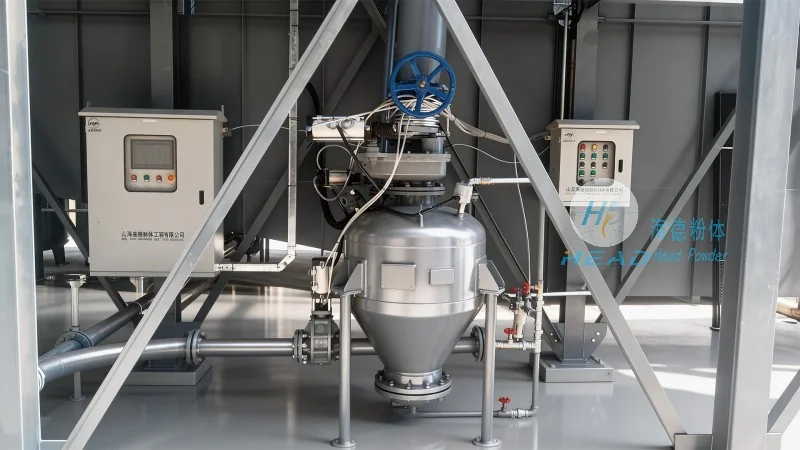
Advantages and Applications of the Small Bag Weighing Feeding Equipment
The small bag weighing feeding equipment offers several advantages that make it an ideal choice for powder material handling. Its high accuracy in weighing ensures that the material is transferred in the exact quantity required, reducing waste and improving process efficiency. The automated operation minimizes the need for manual intervention, enhancing safety and reducing labor costs. The equipment is also designed for durability and reliability, with robust construction that can withstand the demands of continuous industrial use. In terms of applications, this equipment is widely used in industries where precise material feeding is essential, such as in the production of powders for pharmaceuticals, food products, and construction materials. It is particularly useful in processes where the material must be mixed or processed in specific ratios, ensuring consistent product quality.