

Operation Process and Working Principle of Dolomite Powder Handling Equipment
Dolomite powder handling equipment is a critical component in industrial applications, particularly in sectors that rely on the efficient transport and processing of dolomite powder. This equipment ensures that the material is moved safely and effectively from one location to another, supporting various industrial processes such as manufacturing, construction, and chemical production. Understanding the operation process and working principle of such equipment is essential for optimizing performance and maintaining operational efficiency.
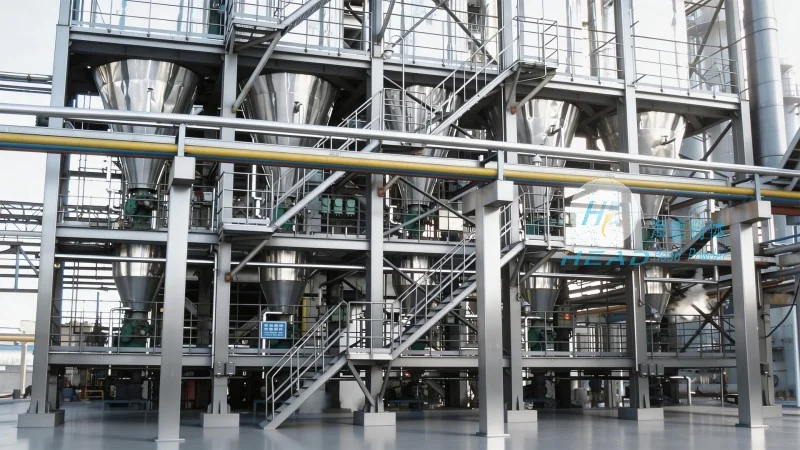
Company Profile: Shandong HeadPowder Engineering Co., Ltd.
HeadPowder, a leading manufacturer in the field of powder handling technology, specializes in providing high-quality equipment tailored to the unique needs of industrial clients. With a strong commitment to innovation and customer satisfaction, the company has established itself as a trusted partner in the industry. HeadPowder's headquarters is located in Shandong, China, where the company leverages advanced engineering and manufacturing capabilities to develop cutting-edge solutions for powder handling challenges. The company's dedication to quality and reliability has earned it a reputation for excellence in the market.
The Operational Process of Dolomite Powder Handling Equipment
The operation of dolomite powder handling equipment typically involves several key steps that ensure the smooth and efficient movement of the material. The process begins with the loading of dolomite powder into a storage hopper or silo. From there, the powder is fed into a conveyor system, which may include components like a screw conveyor, pneumatic conveyor, or bucket elevator, depending on the specific design of the equipment. The conveyor system then transports the powder to the desired destination, such as a processing unit or a storage area. During this process, the equipment is designed to minimize material degradation and ensure consistent flow rates. The operational process is carefully controlled to maintain the integrity of the dolomite powder, preventing issues like caking or agglomeration that could affect downstream processes.
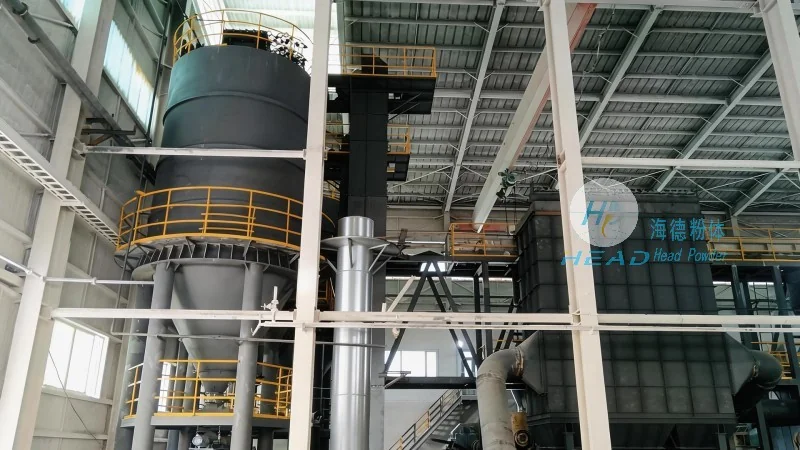
Working Principle of Dolomite Powder Handling Equipment
The working principle of dolomite powder handling equipment is based on the principles of mechanical and pneumatic transport. Mechanical systems, such as screw conveyors and belt conveyors, utilize rotating components to move the powder along a designated path. These systems are effective for handling dry, free-flowing powders like dolomite and are commonly used in industrial settings due to their reliability and low maintenance requirements. Pneumatic systems, on the other hand, use compressed air to transport the powder through a pipeline. This method is particularly suitable for handling fine powders that are prone to dust generation or require a more enclosed transport environment. The working principle involves creating a pressure differential that propels the powder through the system, ensuring that it reaches its destination without loss or contamination. Both mechanical and pneumatic systems are designed to handle the specific characteristics of dolomite powder, including its particle size, density, and flow properties, to ensure optimal performance.
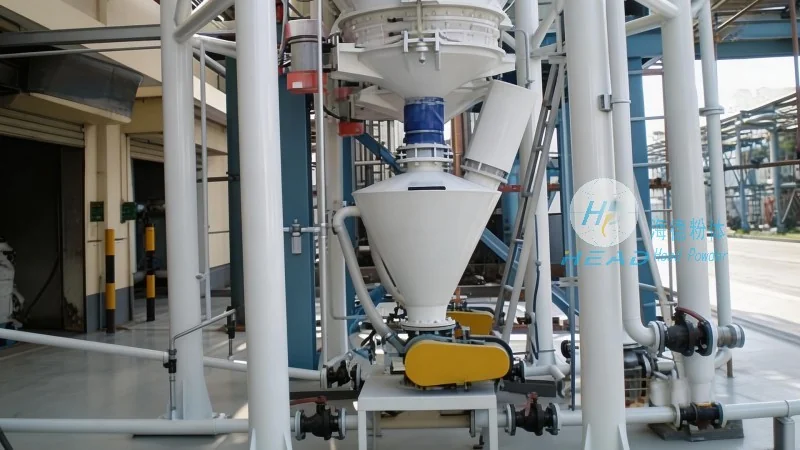
Key Technical Considerations for Dolomite Powder Handling
When operating dolomite powder handling equipment, several technical considerations must be taken into account to ensure efficient and safe performance. These include the selection of appropriate materials for the equipment components, as dolomite powder can be abrasive and may cause wear on metal surfaces. The use of corrosion-resistant materials, such as stainless steel or special alloys, is often recommended to extend the equipment's lifespan and maintain product quality. Additionally, the design of the equipment must account for the powder's flow characteristics, including its angle of repose and cohesive properties, to prevent blockages and ensure consistent material flow. Proper maintenance and regular inspection of the equipment are also crucial to prevent operational issues and ensure long-term reliability. HeadPowder's equipment is engineered with these considerations in mind, providing durable and efficient solutions for dolomite powder handling applications.
Applications and Benefits of Dolomite Powder Handling Equipment
Dolomite powder handling equipment is widely used in various industrial applications, including the production of cement, glass, and refractory materials. The equipment's ability to handle large volumes of dolomite powder efficiently supports the high demands of these industries, ensuring that production processes run smoothly and on schedule. The benefits of using specialized handling equipment include improved safety, reduced material loss, and enhanced operational efficiency. By minimizing the risk of dust exposure and material spillage, the equipment also contributes to a safer working environment. Furthermore, the consistent flow of dolomite powder ensures that downstream processes, such as mixing or grinding, are performed effectively, leading to higher product quality and reduced waste. HeadPowder's equipment is designed to meet the specific requirements of these applications, providing reliable and cost-effective solutions for industrial clients.