

Operation Process and Working Principle of Intelligent Bulk Bag Unloading Powder Conveying Line
For industrial applications that require efficient handling of bulk powders, the intelligent bulk bag unloading powder conveying line offers a comprehensive solution. This system is designed to streamline the process of unpacking, transferring, and transporting bulk materials from bulk bags to storage or processing equipment. The technology integrates advanced automation and control systems to ensure reliable and consistent performance, making it suitable for various industries such as pharmaceuticals, chemicals, food processing, and more.
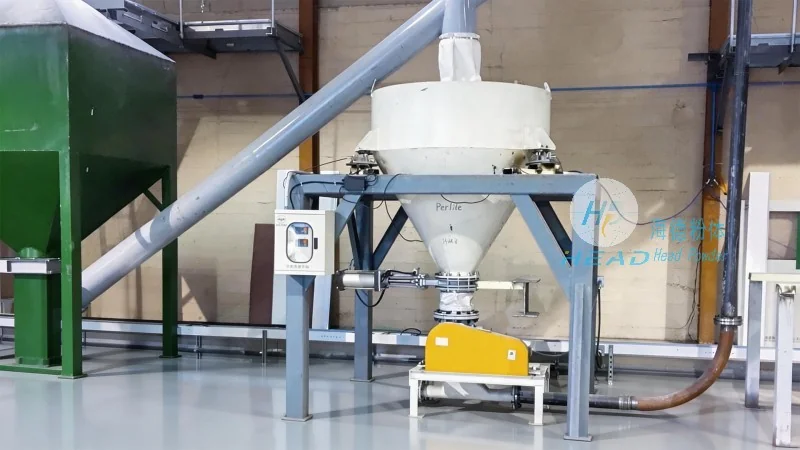
Key Components and Their Functions
The intelligent bulk bag unloading powder conveying line consists of several key components, each playing a crucial role in the overall operation. The primary components include the bulk bag unloader, conveyor system, dust collection unit, and control panel. The bulk bag unloader is responsible for safely opening and emptying the bulk bag, while the conveyor system transports the powder to the desired destination. The dust collection unit ensures a clean and safe working environment by capturing and filtering airborne particles. The control panel allows operators to monitor and adjust the system's parameters for optimal performance.
Operation Process of the System
The operation of the intelligent bulk bag unloading powder conveying line typically follows a sequential process. First, the bulk bag is placed on the unloader's frame, and the system's sensors detect the bag's position and weight. The control panel then initiates the unloading sequence. The unloader's mechanism opens the bag's top, and the powder is discharged into a hopper or container. The conveyor system then transports the powder from the hopper to the storage silo or processing equipment. Throughout the process, the dust collection unit continuously operates to prevent dust accumulation and maintain air quality. The system's automation ensures that each step is executed precisely and efficiently, minimizing human intervention and reducing the risk of errors.
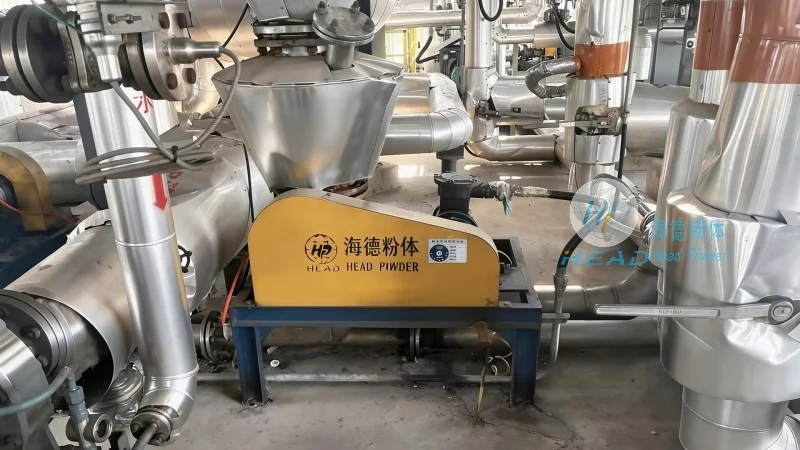
Working Principle of the Conveying Mechanism
The conveying mechanism of the intelligent bulk bag unloading powder conveying line utilizes a combination of technologies to ensure smooth and reliable powder transfer. The most common types of conveyors used in such systems are screw conveyors and pneumatic conveyors. Screw conveyors use a rotating screw to push the powder forward, while pneumatic conveyors use compressed air to transport the powder through a pipeline. The choice of conveyor type depends on the characteristics of the powder, such as its flowability, moisture content, and particle size. The system's control system adjusts the conveyor speed and pressure to maintain consistent flow rates and prevent blockages. Additionally, the system incorporates features like vibration and air knives to ensure the powder moves smoothly and without segregation.
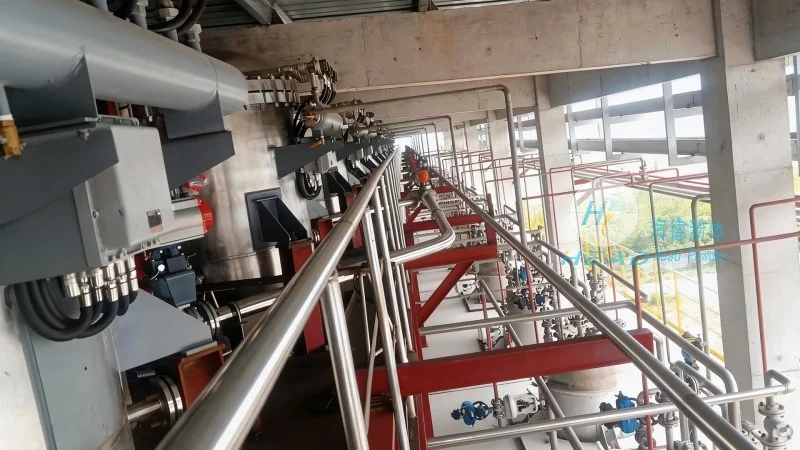
Advantages of the Intelligent Bulk Bag Unloading Powder Conveying Line
Implementing an intelligent bulk bag unloading powder conveying line offers several advantages for industrial operations. Firstly, it significantly improves efficiency by automating the entire process, reducing the time and labor required for manual handling. Secondly, the system enhances safety by minimizing human exposure to dust and heavy lifting. Thirdly, it ensures consistent product quality by maintaining uniform flow rates and preventing material segregation. Fourthly, the advanced control system allows for real-time monitoring and data collection, enabling better process optimization and troubleshooting. Finally, the system's modular design allows for easy integration with existing production lines and scalability to accommodate future growth.
Application Examples and Industries
The intelligent bulk bag unloading powder conveying line is widely used in various industries due to its versatility and efficiency. In the pharmaceutical industry, it is used to handle active pharmaceutical ingredients (APIs) and excipients with high purity requirements. In the chemical industry, it is employed to transport raw materials and intermediates for manufacturing processes. The food processing industry utilizes the system for handling ingredients like flour, sugar, and spices, ensuring food safety and quality. Additionally, the system is suitable for the agricultural industry, where it can transport bulk fertilizers and pesticides. The consistent performance and reliability of the system make it a preferred choice for industries that demand high standards of product quality and operational efficiency.