

Operation Process and Working Principle of Powder Mixing and Conveying Line
For industrial applications that require precise handling and transportation of bulk powders, the powder mixing and conveying line is a critical system. This equipment is designed to ensure efficient blending of various raw materials and the smooth transfer of mixed powders to subsequent processing stages. The operation of such a line involves several key components and steps, each contributing to the overall performance and reliability of the system.
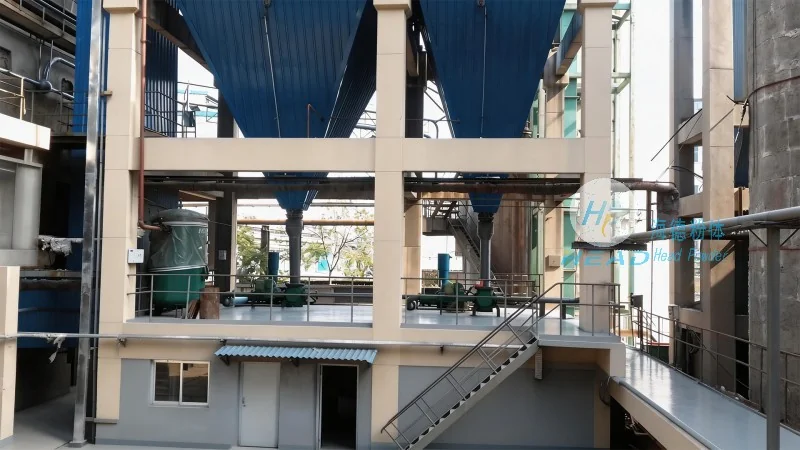
Key Components of the Powder Mixing and Conveying Line
The powder mixing and conveying line typically consists of multiple integrated components, each serving a specific function in the material handling process. These components include feeders, mixers, conveyors, and control systems. Feeders are responsible for accurately dosing raw materials into the mixing chamber, ensuring consistent material flow. The mixer, often a high-shear or planetary type, blends the ingredients thoroughly to achieve the desired uniformity. Conveyors, such as screw conveyors or pneumatic systems, transport the mixed powder from the mixer to storage or processing units. Control systems, equipped with sensors and automation software, monitor and regulate the entire process, maintaining optimal operating conditions.
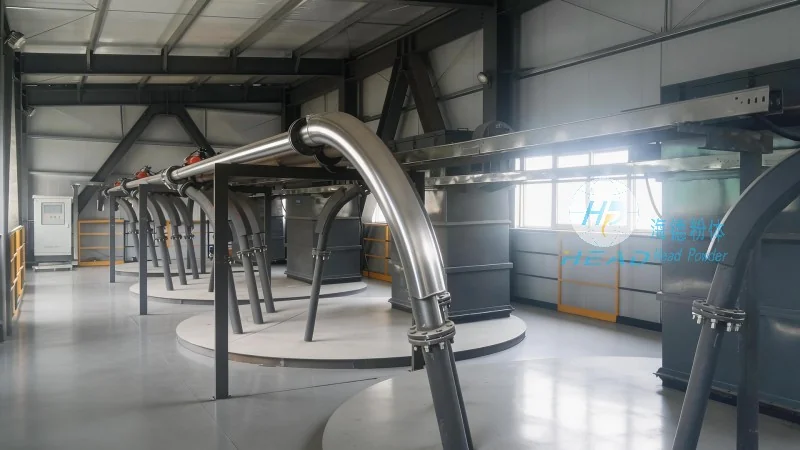
Operation Process of the Powder Mixing and Conveying Line
The operation of a powder mixing and conveying line begins with the preparation of raw materials. Each ingredient is weighed and fed into the system through the feeders. The feeders are calibrated to deliver the exact amount of material required for the batch, ensuring precision in the mixing process. Once the raw materials are introduced into the mixer, the blending process starts. The mixer operates at a controlled speed, agitating the materials to achieve a homogeneous mixture. The duration of the mixing cycle is determined by the type of powder and the desired degree of uniformity. After mixing, the mixed powder is transferred to the conveyor system. The conveyor moves the material at a steady rate, ensuring no blockages or overloading occur. The control system continuously monitors the flow rate and pressure, adjusting the conveyor speed as needed to maintain smooth operation.
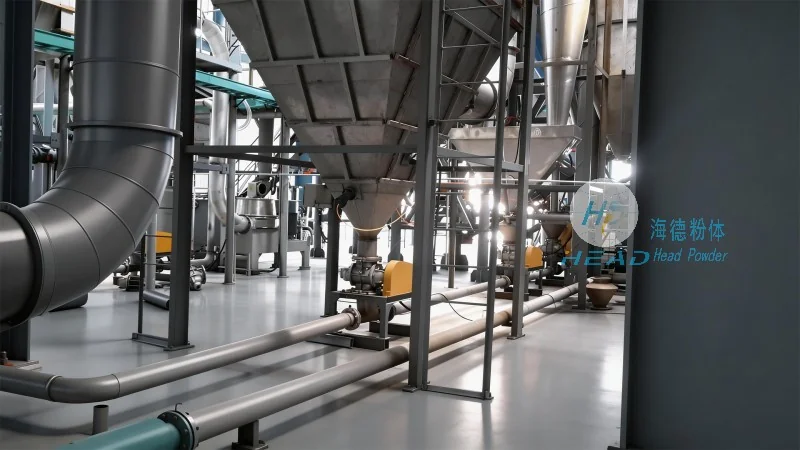
Working Principle of the Powder Mixing and Conveying Line
The working principle of the powder mixing and conveying line is based on the principles of material flow and mechanical agitation. The feeders use mechanical or gravitational forces to deliver powders into the mixer. The mixer employs rotational or oscillatory motion to break down agglomerates and distribute particles evenly throughout the mixture. Conveyors utilize either mechanical (screw, belt) or pneumatic (air pressure) methods to transport the material. The control system integrates sensors for temperature, pressure, and flow rate, providing real-time data to the operator. This data is used to adjust the process parameters, ensuring the line operates within safe and efficient limits. The entire system is designed to minimize material loss, reduce contamination, and maintain product quality throughout the handling process.
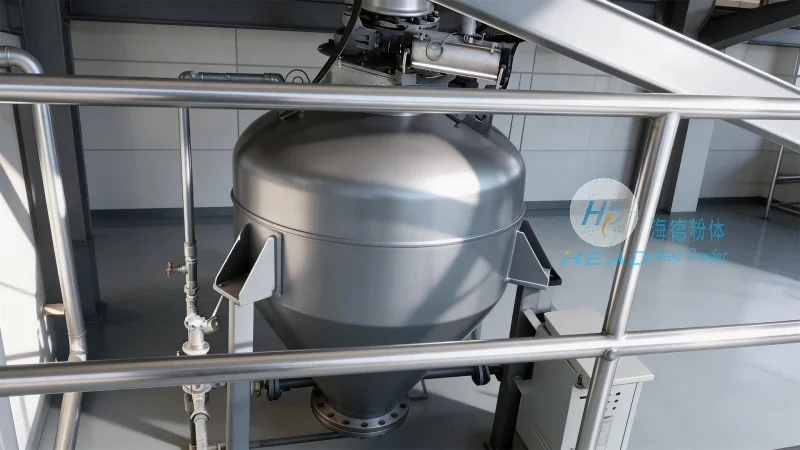
About Shandong HeadPowder Engineering Co., Ltd.
Shandong HeadPowder Engineering Co., Ltd., operating under the brand name headpowder, is a leading manufacturer of industrial powder handling equipment. With a focus on innovation and quality, the company specializes in designing and manufacturing powder mixing and conveying lines tailored to the needs of various industries, including pharmaceuticals, food processing, and chemical manufacturing. The company's headquarters is located in Shandong, China, where it leverages advanced technology and skilled engineering expertise to develop reliable and efficient solutions for its clients. headpowder is committed to providing high-performance equipment that enhances productivity and ensures compliance with industry standards.