

Operation Process and Working Principle of Bulk Powder Ship Loading and Unloading Conveying Lines
Shandong HeadPowder Engineering Co., Ltd., a leading provider in the field, specializes in the design, manufacturing, and installation of advanced bulk powder handling systems tailored for marine operations. Our expertise lies in creating efficient, reliable, and safe conveying solutions that meet the stringent demands of modern bulk material transportation, particularly for ship loading and unloading processes.
Key Features and Components of the Conveying Line
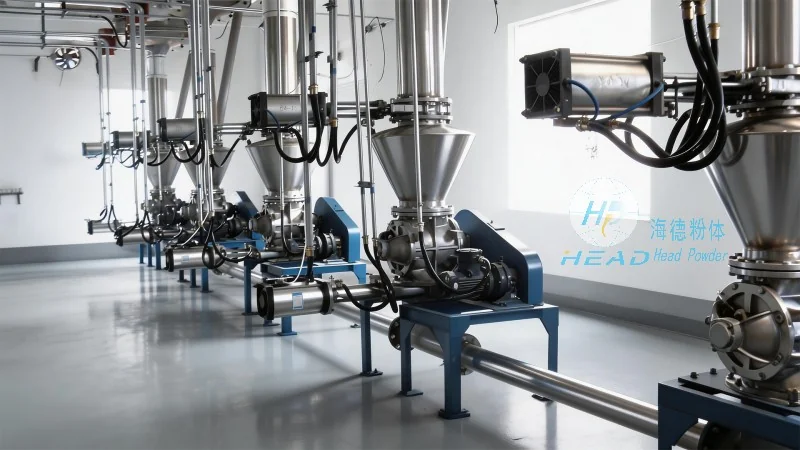
The bulk powder ship loading and unloading conveying line typically comprises several critical components that work in tandem to ensure seamless material transfer. These include high-capacity feeders, robust screw conveyors or pneumatic systems, dust collection and filtration units, and precise control panels. Each component is engineered to handle the unique challenges of transporting fine powders, such as preventing caking, ensuring consistent flow rates, and maintaining material integrity throughout the process.
Operation Process: From Ship to Shore and Back
The operation of the bulk powder ship loading and unloading system begins with the preparation phase, where the ship's hold is prepared and the conveying line is activated. For loading operations, the system draws powder from storage silos or bulk containers on the shore and transports it to the ship's hold via a series of conveyors. The process involves precise control of flow rates to match the ship's capacity and prevent overloading or underloading. During unloading, the reverse process occurs: powder is drawn from the ship's hold and conveyed back to shore for storage or further processing. The system's automation ensures that the operation is carried out efficiently, with minimal human intervention, while maintaining strict safety standards.
Working Principle: Ensuring Efficiency and Reliability
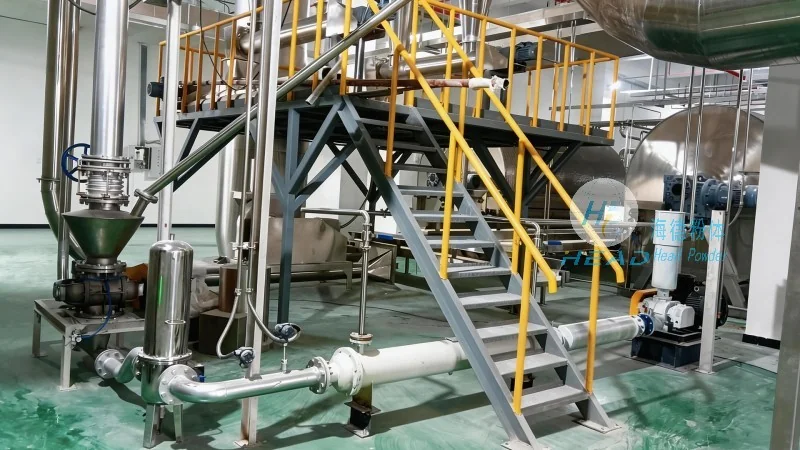
The working principle of the bulk powder ship loading and unloading conveying line is based on the principles of mechanical or pneumatic material transport. Mechanical systems, such as screw conveyors, use rotating screws to push powder along a closed tube, while pneumatic systems utilize air pressure to move material through pipelines. Both systems are designed to handle various types of powders, including fine, dry, and abrasive materials, with minimal wear and tear. Advanced control systems monitor parameters like pressure, flow rate, and temperature in real-time, allowing for immediate adjustments to maintain optimal performance. This integrated approach ensures that the conveying line operates with high efficiency, low maintenance costs, and consistent material quality, making it an indispensable asset for any bulk material handling operation.
Benefits and Applications
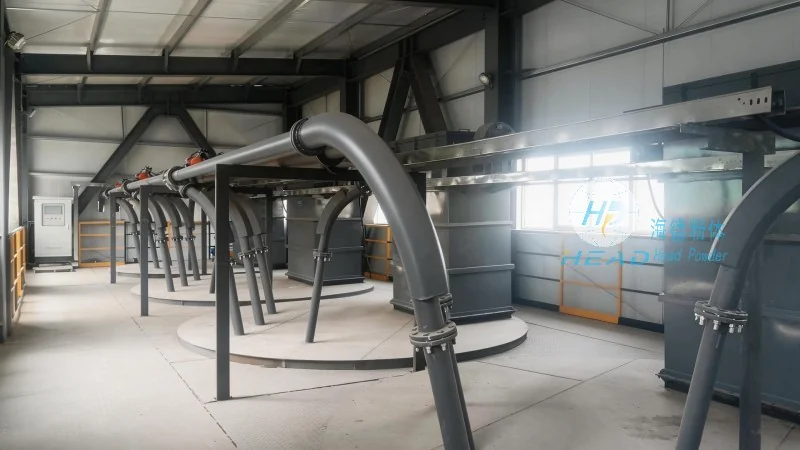
Implementing a bulk powder ship loading and unloading conveying line from Shandong HeadPowder Engineering Co., Ltd. offers numerous benefits to industrial operations. These include increased throughput, reduced labor costs, enhanced safety through automated processes, and improved material handling efficiency. The systems are widely used in industries such as mining, agriculture, chemical processing, and food production, where the transportation of bulk powders is a critical step in the supply chain. By leveraging our expertise in bulk material handling, companies can streamline their operations, minimize downtime, and achieve greater productivity in their ship loading and unloading activities.
Conclusion
Shandong HeadPowder Engineering Co., Ltd. provides comprehensive solutions for bulk powder ship loading and unloading conveying lines, combining advanced technology with practical engineering to meet the diverse needs of modern industrial applications. Our systems are designed to deliver reliable, efficient, and safe material transport, ensuring that businesses can optimize their operations and achieve their production goals. With a commitment to quality and customer satisfaction, we remain a trusted partner in the bulk material handling industry.