

Operation Process and Working Principle of Soil Powder Conveying Line
Soil powder conveying lines are essential equipment in various industries, particularly in construction, mining, and environmental management. These systems are designed to transport soil and other fine powders efficiently and safely. Understanding the operation process and working principle of such lines is crucial for optimizing performance and ensuring operational safety.
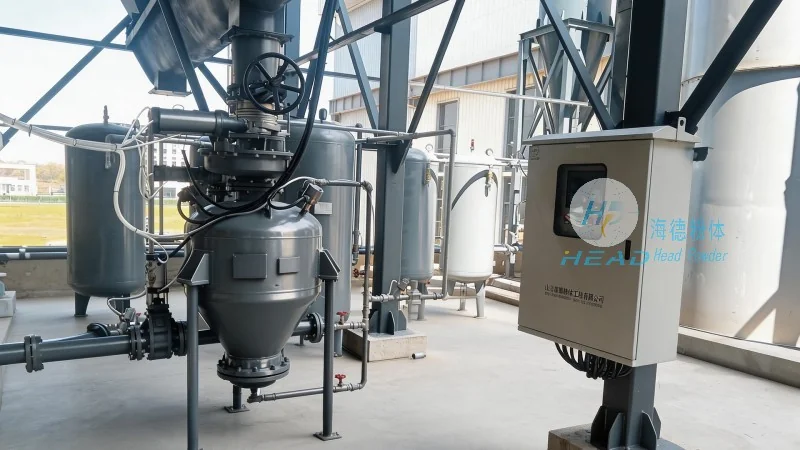
Introduction to Soil Powder Conveying Lines
Soil powder conveying lines, also known as soil powder transport systems, are engineered to handle the movement of soil particles and other fine powders from one location to another. These systems are commonly used in applications such as soil remediation, construction material handling, and waste management. The efficiency and reliability of these lines depend on the proper design, installation, and maintenance of their components.
Working Principle of Soil Powder Conveying Lines
The working principle of soil powder conveying lines typically involves the use of either pneumatic or mechanical conveying methods. Pneumatic conveying uses compressed air or gas to transport particles through a pipeline, while mechanical conveying employs rotating components like screws or belts to move materials. For soil powders, pneumatic systems are often preferred due to their ability to handle fine, abrasive particles without causing excessive wear on equipment.
In pneumatic conveying systems, the process begins with the material being fed into a hopper. The hopper is equipped with a feeder that controls the flow rate of the soil powder into the conveying line. Compressed air is then introduced into the pipeline, creating a pressure differential that propels the particles forward. The air and powder mixture travels through the pipeline, often passing through expansion or contraction sections to maintain flow stability. At the discharge end, the air is separated from the powder, typically using a cyclone separator or a filter, and the powder is collected in a receiving container.
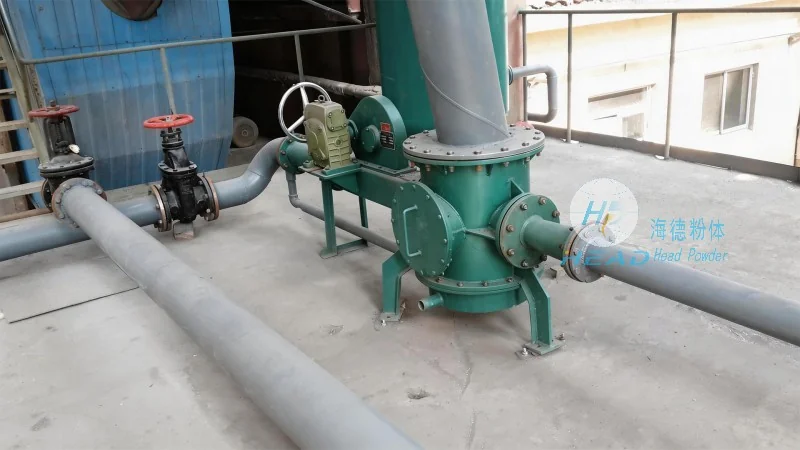
Key Components of Soil Powder Conveying Lines
Several key components work together to ensure the smooth operation of soil powder conveying lines. The primary components include the hopper, feeder, conveying pipeline, control system, and discharge equipment. The hopper serves as a storage vessel for the soil powder, providing a consistent feed to the system. The feeder, often a rotary valve or a screw feeder, regulates the material flow rate to match the conveying capacity. The conveying pipeline, usually made of stainless steel or other corrosion-resistant materials, transports the powder and air mixture. The control system monitors and adjusts the air pressure, flow rate, and other parameters to maintain optimal operation. The discharge equipment, such as a cyclone separator or a filter, separates the powder from the air and directs the powder to its destination.
Operation Process of Soil Powder Conveying Lines
The operation process of a soil powder conveying line involves several sequential steps. First, the soil powder is loaded into the hopper. The feeder then regulates the flow of powder into the conveying pipeline. Compressed air is supplied to the system, creating the necessary pressure to move the particles. The powder and air mixture travels through the pipeline, with the air providing the force to transport the particles. At the discharge end, the air is separated from the powder, and the powder is collected in a receiving container. The control system continuously monitors the system parameters, such as pressure and flow rate, to ensure stable operation. Any adjustments to the system are made in real-time to maintain optimal performance.
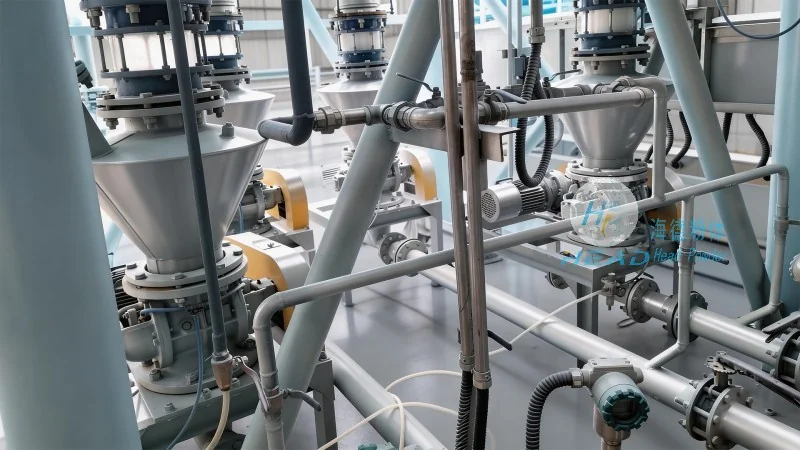
Applications and Benefits of Soil Powder Conveying Lines
Soil powder conveying lines are widely used in various industries due to their efficiency and versatility. In construction, they are used to transport soil for backfilling or grading projects. In mining, they help in the transport of tailings and other fine materials. In environmental management, they are used for soil remediation, where contaminated soil is transported to treatment facilities. The benefits of these systems include reduced labor costs, improved safety by minimizing manual handling of powders, and increased efficiency in material transport. Additionally, these systems can be designed to handle a wide range of particle sizes and moisture contents, making them suitable for diverse applications.
Maintenance and Safety Considerations
Maintaining soil powder conveying lines is essential to ensure their long-term performance and safety. Regular maintenance includes checking the condition of the hopper and feeder, inspecting the conveying pipeline for leaks or blockages, and cleaning the cyclone separator or filter. It is also important to monitor the air pressure and flow rate to ensure they are within the recommended range. Safety considerations include proper grounding of equipment to prevent electrical hazards, using appropriate personal protective equipment (PPE) when working with the system, and ensuring that the system is properly shut down before maintenance or repair work is performed.
Conclusion
Soil powder conveying lines are critical equipment in many industries, providing an efficient and safe method for transporting soil and other fine powders. Understanding the working principle and operation process of these lines is essential for optimizing their performance and ensuring operational safety. By following proper maintenance procedures and adhering to safety guidelines, these systems can provide reliable service for many years. The use of such equipment by companies like Shandong HeadPowder Engineering Co., Ltd. in China demonstrates the importance of advanced technology in improving industrial processes and enhancing operational efficiency.