

Epoxy Resin Pneumatic Conveying: A Material Handling Solution to Overcome Distance Limitations
For industries dealing with epoxy resin, efficient and reliable material handling is crucial. Traditional methods often face challenges when transporting epoxy resin over long distances, leading to issues such as material degradation, increased operational costs, and safety concerns. This is where pneumatic conveying systems offer a superior alternative, enabling seamless transport of epoxy resin while maintaining product integrity and operational efficiency.
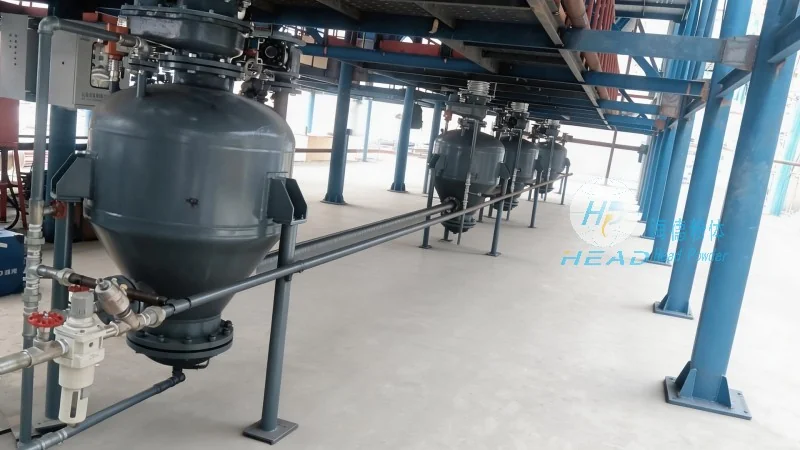
Understanding Pneumatic Conveying for Epoxy Resin
Pneumatic conveying, or air-based material transport, utilizes a pressurized or vacuum system to move bulk materials like epoxy resin through a pipeline. Unlike mechanical conveyors, which rely on physical contact and moving parts, pneumatic systems use air to propel the material, reducing wear and tear on the product and equipment. This method is particularly advantageous for epoxy resin, which is sensitive to temperature fluctuations and mechanical stress.
Key Advantages of Epoxy Resin Pneumatic Conveying
One of the primary benefits of pneumatic conveying for epoxy resin is its ability to overcome significant distance limitations. Unlike traditional conveyor belts or screw conveyors, which are often restricted by length and layout, pneumatic systems can transport materials over hundreds of meters or even kilometers with minimal loss of performance. This flexibility allows manufacturers to optimize their production layouts, integrating resin handling directly into the manufacturing process without the need for complex reconfiguration.
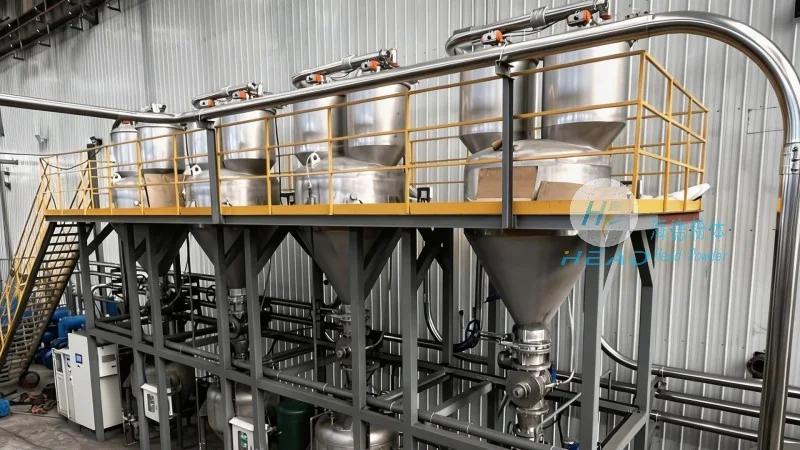
Another critical advantage is the preservation of product quality. Epoxy resin is a high-value material that requires careful handling to maintain its viscosity, purity, and chemical properties. Pneumatic conveying minimizes exposure to external factors such as temperature changes, moisture, and contamination, ensuring that the resin remains in optimal condition throughout the transport process. This is especially important for applications where the resin's properties directly impact the final product's performance, such as in aerospace, automotive, or construction industries.
How Pneumatic Conveying Works in Practice
The operation of an epoxy resin pneumatic conveying system typically involves several key components. A hopper or storage tank holds the epoxy resin, from which it is fed into a conveyor line. The system uses either positive pressure (where air is blown into the pipeline to push the material) or negative pressure (where air is drawn out to pull the material). The choice between these methods depends on the distance, material characteristics, and system layout. For epoxy resin, positive pressure systems are often preferred due to their ability to handle fine powders and maintain consistent flow rates.
As the resin travels through the pipeline, it is mixed with air, creating a slurry-like mixture that moves efficiently. The system includes filters and separators to remove any air bubbles or debris, ensuring that the resin reaches the destination (e.g., a mixing tank or processing unit) in a clean and uniform state. This process not only enhances the efficiency of material transport but also reduces the risk of clogging or blockages, which are common issues in traditional conveying methods.
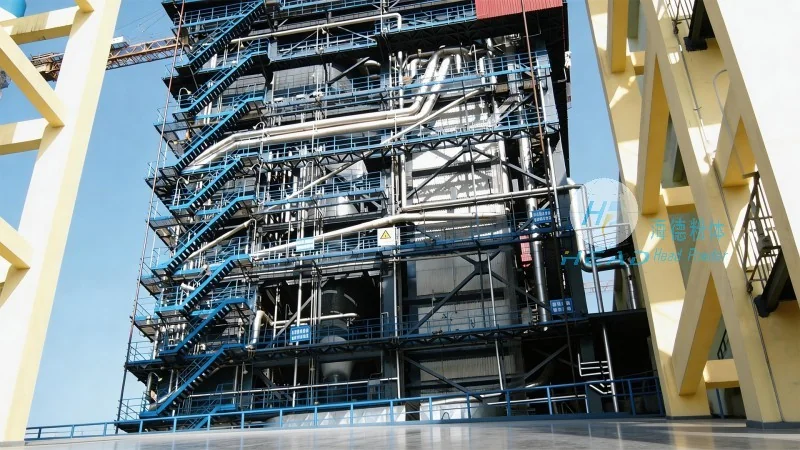
Applications in Industrial Settings
Epoxy resin pneumatic conveying is widely used across various industries that rely on epoxy-based products. In the aerospace sector, for example, manufacturers use these systems to transport epoxy resin to composite manufacturing lines, where it is mixed with other materials to create lightweight, high-strength components. In the automotive industry, the same technology is applied to produce epoxy-coated parts or adhesives, ensuring consistent quality and reduced waste.
In the construction industry, pneumatic conveying systems are used to transport epoxy resins for flooring, coatings, and structural applications. The ability to transport these materials over long distances allows construction companies to streamline their supply chain, reducing the need for manual handling and minimizing the risk of spills or accidents. Additionally, the system's ability to handle large volumes of material efficiently supports high production rates, making it ideal for large-scale projects.
Customization and Scalability
Shandong HeadPowder Engineering Co., Ltd., a leading provider of material handling solutions, specializes in designing and manufacturing customized pneumatic conveying systems tailored to the specific needs of epoxy resin applications. With over [years] of industry experience, the company understands the unique challenges associated with epoxy resin and offers solutions that address these challenges effectively.
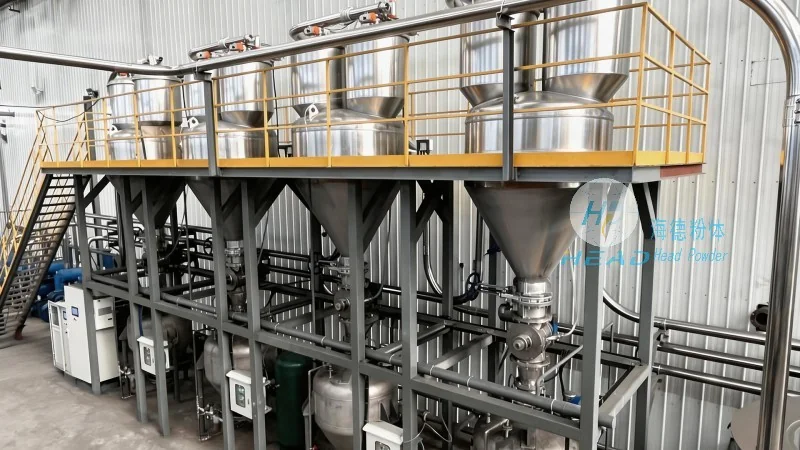
The company's expertise lies in the integration of advanced technologies, such as variable frequency drives (VFDs) and automated control systems, which optimize the conveying process for maximum efficiency and minimal energy consumption. These systems are scalable, allowing manufacturers to start with a basic setup and expand as their production needs grow. Whether for small-scale laboratories or large industrial plants, HeadPowder provides solutions that adapt to changing requirements without compromising performance.
Conclusion
For manufacturers dealing with epoxy resin, pneumatic conveying offers a reliable and efficient solution to overcome distance limitations and maintain product quality. By leveraging the expertise of companies like Shandong HeadPowder Engineering Co., Ltd., industries can enhance their operational efficiency, reduce costs, and ensure consistent product performance. As the demand for high-quality epoxy resin products continues to grow, the adoption of advanced pneumatic conveying systems will remain a critical component of modern material handling strategies.