

Operation Process and Working Principle of Polyolefin Powder Conveyors
Understanding the operation process and working principle of polyolefin powder conveyors is crucial for optimizing material handling in industrial settings. These specialized systems are designed to efficiently transport polyolefin powders, which are widely used in various manufacturing processes. The effectiveness of these conveyors directly impacts production efficiency, material integrity, and overall operational costs. This article provides a detailed overview of how polyolefin powder conveyors function, covering key components, operational steps, and the underlying principles that ensure reliable performance.
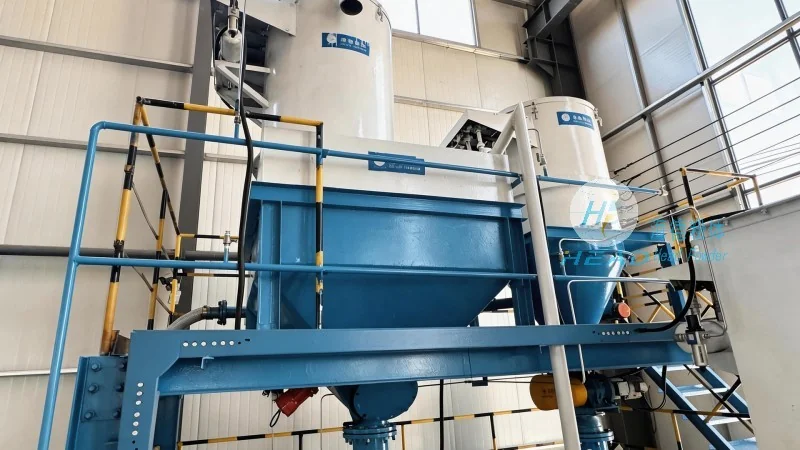
Key Components of Polyolefin Powder Conveyors
Before delving into the operation process, it's essential to understand the primary components that make up a polyolefin powder conveyor system. These components work in tandem to ensure smooth and consistent material transport. The main parts include the hopper, feeding mechanism, conveyor tube, and discharge outlet. The hopper is responsible for storing the polyolefin powder, providing a controlled feed to the conveyor. The feeding mechanism, often a rotary valve or screw feeder, regulates the flow of material into the conveyor tube. The conveyor tube, typically made of flexible or rigid material, transports the powder from the hopper to the discharge point. The discharge outlet allows the material to be released into the next stage of the production process. Each component plays a critical role in maintaining the integrity of the polyolefin powder and preventing issues such as clogging or degradation.
Working Principle of Polyolefin Powder Conveyors
The working principle of polyolefin powder conveyors is based on the principles of fluidization and pneumatic transport. When the conveyor is in operation, the feeding mechanism introduces the polyolefin powder into the conveyor tube. Simultaneously, a low-pressure air system is activated, creating a flow of air through the tube. This air flow helps to fluidize the powder, reducing the friction between individual particles and allowing them to move freely. The combination of the feeding mechanism and the air flow ensures that the powder is transported efficiently and without the need for mechanical parts that could cause wear or contamination. The working principle is designed to handle the unique properties of polyolefin powders, such as their fine particle size and potential for static buildup, ensuring that the material is conveyed safely and effectively.
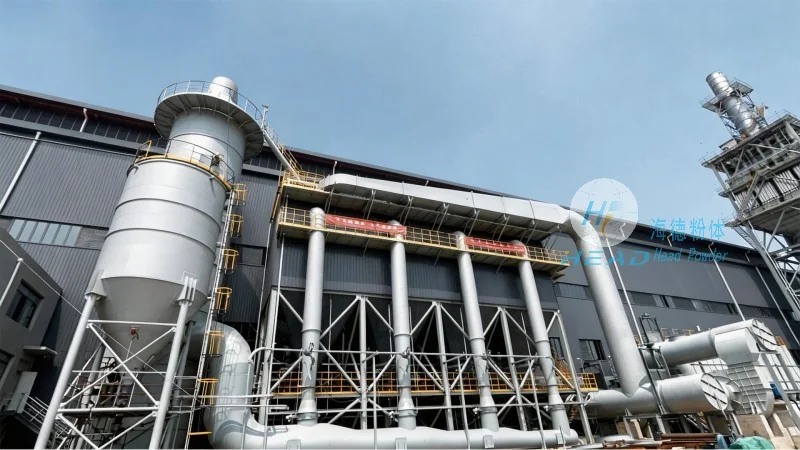
Operation Process of Polyolefin Powder Conveyors
The operation process of a polyolefin powder conveyor involves several sequential steps that ensure consistent and reliable material transport. The process begins with the loading of the hopper with the polyolefin powder. Once the hopper is filled, the feeding mechanism is activated, controlling the rate at which the powder is introduced into the conveyor tube. Simultaneously, the air system is turned on, creating a consistent flow of air through the tube. As the powder is fed into the tube, the air flow helps to fluidize the material, allowing it to move along the tube towards the discharge outlet. The speed of the air flow and the rate of material feeding are carefully controlled to maintain a stable and continuous flow. The conveyor continues to operate until the hopper is empty or the material is fully discharged. During operation, the system monitors parameters such as air pressure, material flow rate, and discharge rate to ensure optimal performance. Any deviations from the set parameters are detected and adjusted automatically to maintain the desired operation.
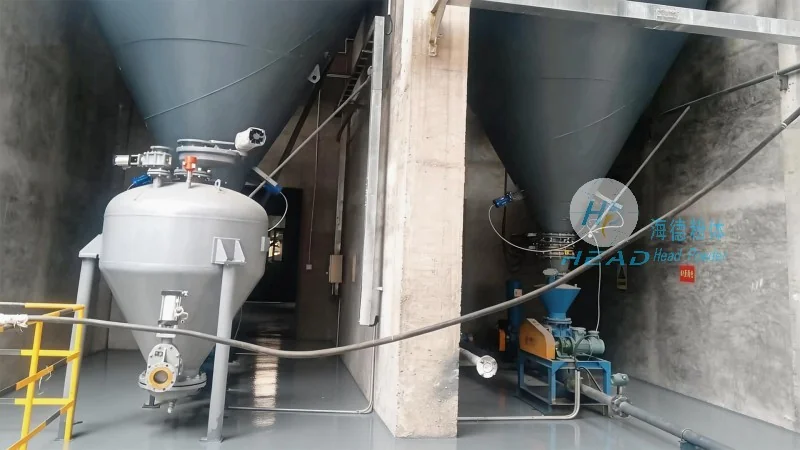
Benefits of Using Polyolefin Powder Conveyors
Implementing polyolefin powder conveyors offers several benefits for industrial applications. These systems enhance production efficiency by providing a continuous and reliable flow of material, reducing downtime caused by manual handling or clogging. The pneumatic transport method minimizes the risk of material contamination, as there are no mechanical parts in direct contact with the powder. This is particularly important for polyolefin powders, which are often used in food, pharmaceutical, or high-purity applications where contamination must be avoided. Additionally, polyolefin powder conveyors are designed to handle the unique properties of these materials, such as their tendency to form agglomerates or build up static charge. The fluidization process helps to break up agglomerates and dissipate static, ensuring that the powder remains in a free-flowing state. The use of flexible conveyor tubes also allows for easy integration into existing production lines, adapting to various spatial constraints and layout requirements. Overall, polyolefin powder conveyors contribute to improved operational safety, reduced maintenance costs, and enhanced product quality.
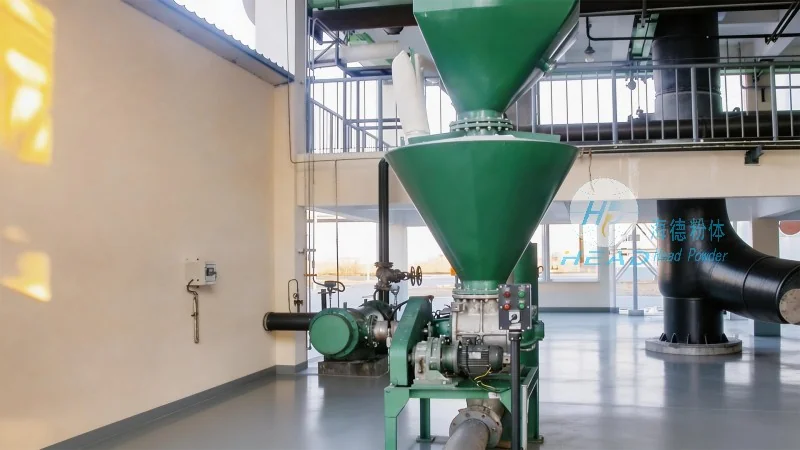
Applications and Industries
Polyolefin powder conveyors are widely used in various industries that rely on the handling of polyolefin powders. These include the plastics manufacturing industry, where polyolefin powders are used as raw materials for producing plastic products. The automotive industry also utilizes polyolefin powders in the production of components such as interior parts and exterior trim. The packaging industry benefits from polyolefin powder conveyors when handling materials for packaging films and containers. Additionally, the chemical and pharmaceutical industries use these systems to transport polyolefin powders used in the formulation of various products. The versatility of polyolefin powder conveyors makes them suitable for a wide range of applications, from small-scale production lines to large-scale industrial facilities. The ability to handle different types of polyolefin powders, such as polyethylene and polypropylene, further expands their utility across various sectors.
Maintenance and Troubleshooting
Proper maintenance is essential to ensure the long-term performance and reliability of polyolefin powder conveyors. Regular maintenance activities include cleaning the hopper and conveyor tube to prevent the buildup of powder residue, which can affect the flow and cause clogging. The feeding mechanism and air system components should be inspected regularly for wear and tear, and replaced as needed. Filters in the air system should be checked and replaced to maintain air quality and prevent dust accumulation. Troubleshooting common issues, such as reduced material flow or increased air pressure, involves checking the feeding rate, air flow, and system pressure. If clogging occurs, the system may need to be flushed with a compatible solvent or the conveyor tube may need to be replaced. Regular maintenance not only extends the lifespan of the conveyor but also ensures consistent performance and reduces the risk of unexpected downtime. By following a structured maintenance schedule, operators can keep the polyolefin powder conveyor operating at optimal levels, minimizing disruptions to production.