

Operation Process and Working Principle of Adjustable Weighing Material Conveying
This document provides a comprehensive overview of the operation process and working principle of adjustable weighing material conveying systems. These systems are essential in various industrial settings where precise material handling and weight measurement are critical. The technology integrates advanced sensor technology, control systems, and mechanical components to ensure accurate and efficient material transport while maintaining real-time weight monitoring.
Core Components and Their Functions
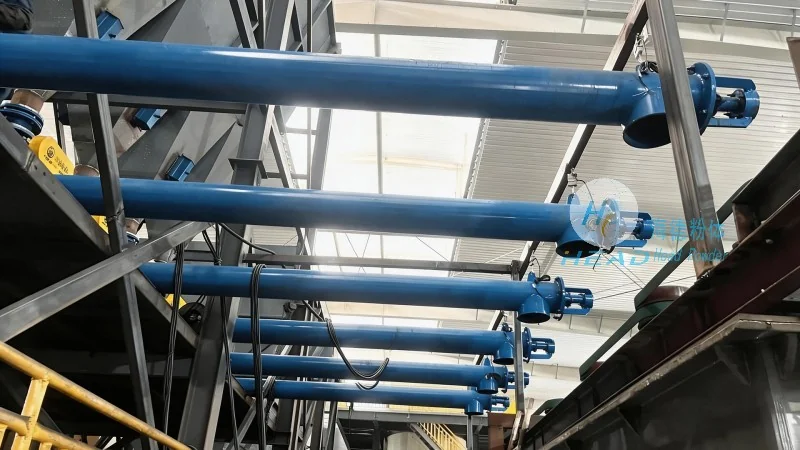
The adjustable weighing material conveying system comprises several key components, each playing a vital role in its overall functionality. The primary components include the conveyor belt or conveyor system, load cells or weighing sensors, a control panel with digital display, and an adjustable speed motor. The conveyor belt facilitates the movement of materials from the input to the output point. Load cells are strategically placed to detect the weight of the material on the belt, converting mechanical force into electrical signals. The control panel processes these signals, displaying the weight data and allowing operators to adjust settings as needed. The adjustable speed motor controls the conveyor speed, enabling precise control over the material flow rate.
Operational Process: Step-by-Step Breakdown
The operational process of the adjustable weighing material conveying system begins with material loading onto the conveyor belt at the input hopper. As the material moves along the belt, load cells continuously measure the weight per unit length. The control system processes these measurements to calculate the total weight and flow rate. Operators can adjust the conveyor speed using the control panel to maintain the desired weight output. The system can also be programmed to start or stop based on weight thresholds, ensuring that only the required amount of material is conveyed. This step-by-step process ensures consistent and accurate material handling, minimizing waste and improving production efficiency.
Working Principle: How the System Maintains Accuracy
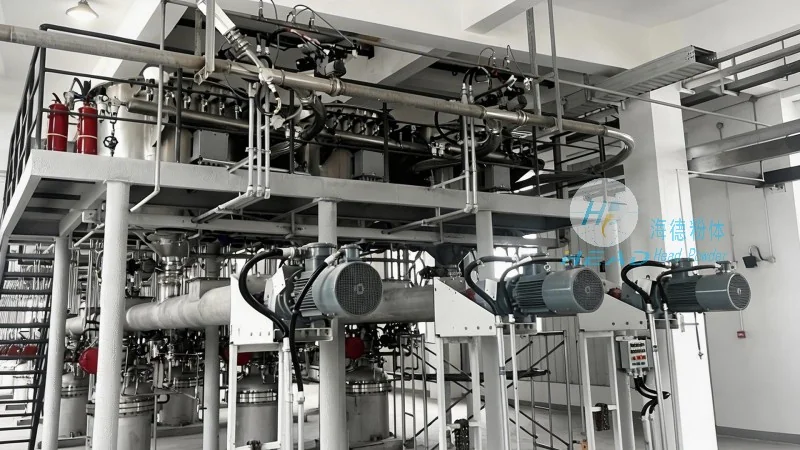
The working principle of the adjustable weighing material conveying system is based on the principle of load cell technology and closed-loop control. Load cells are placed under the conveyor belt to detect the weight of the material. Each load cell transmits a signal proportional to the weight it supports. These signals are sent to a control unit, which aggregates them to determine the total weight. The control unit then compares the actual weight with the setpoint (target weight) and adjusts the conveyor speed accordingly. If the weight is below the setpoint, the speed increases; if it exceeds, the speed decreases. This closed-loop feedback mechanism ensures that the system maintains the desired weight output with high precision, even with variations in material density or flow rate.
Technical Specifications and Customization Options
The adjustable weighing material conveying system offers a range of technical specifications and customization options to suit different industrial needs. Common specifications include adjustable conveyor speeds from 0.1 to 10 meters per minute, load cell capacities ranging from 500 kg to 50 tons, and digital display resolutions down to 0.1 kg. The system can be customized with different conveyor belt materials (e.g., stainless steel, rubber) to handle various material types, such as powders, granules, or bulk solids. Additionally, it supports integration with other industrial automation systems, like PLCs or SCADA, for enhanced monitoring and control. Customization options also include different hopper sizes, discharge configurations, and safety features like emergency stop buttons.
Application Scenarios and Industry Benefits
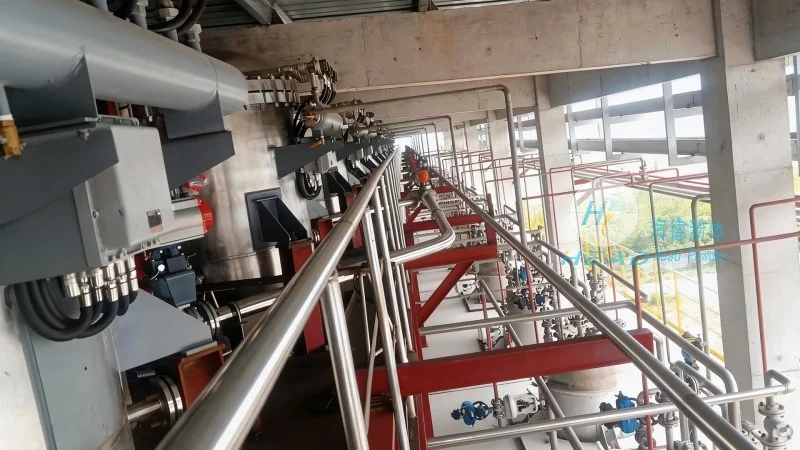
The adjustable weighing material conveying system is widely used in industries such as pharmaceuticals, food processing, chemical manufacturing, and mining. In pharmaceutical production, it ensures accurate dosing of raw materials, meeting stringent quality and safety standards. In food processing, it maintains consistent ingredient ratios, enhancing product quality and compliance with regulations. In chemical manufacturing, it controls the flow of bulk chemicals, preventing overloading and ensuring safe handling. The primary benefits of this system include improved production efficiency, reduced material waste, enhanced product consistency, and lower operational costs. By maintaining precise weight control, it minimizes the need for manual adjustments and reduces the risk of product defects.
Company Profile: Shandong HeadPowder Engineering Co., Ltd.
Shandong HeadPowder Engineering Co., Ltd. is a leading manufacturer of adjustable weighing material conveying systems, with a strong presence in the Chinese market. The company, commonly referred to as HeadPowder, is headquartered in Shandong, China. With years of experience in industrial automation and material handling solutions, HeadPowder has developed a reputation for producing high-quality, reliable equipment tailored to meet the specific needs of its clients. The company's products are designed to enhance operational efficiency, improve safety, and reduce costs for industries that rely on precise material transport and weight measurement. HeadPowder's commitment to innovation and customer satisfaction has made it a trusted partner for businesses seeking advanced material handling solutions.