

Operation Process and Working Principle of Powder Tank Truck Material Conveying
Efficient material handling is crucial in industries that rely on bulk powder transport, and powder tank trucks play a vital role in this process. These specialized vehicles are designed to safely and effectively transport dry powders, such as cement, flour, or chemical powders, over long distances. Understanding the operation process and working principle of these systems is essential for optimizing performance and ensuring safety in industrial applications.
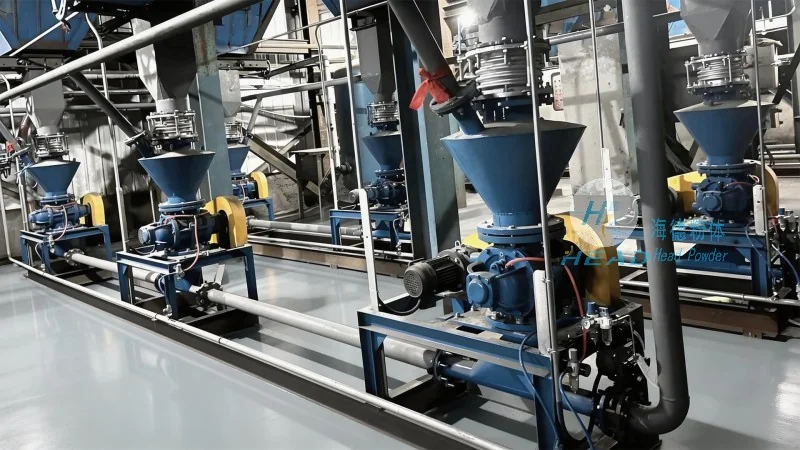
The Core Components of a Powder Tank Truck Conveying System
At the heart of a powder tank truck's material conveying system are several key components that work in tandem to ensure smooth operation. The primary components include the tank itself, which is typically made of stainless steel or other corrosion-resistant materials to prevent contamination and material degradation. Inside the tank, a screw conveyor or auger is often installed to facilitate the movement of powder from the bottom to the top of the tank. This component is crucial for preventing material buildup and ensuring consistent flow.
Additionally, a pump system, commonly a positive displacement pump, is used to transfer the powder from the tank to the discharge point. The pump is connected to the tank via a pipeline system, which may include valves, filters, and pressure regulators to control the flow rate and pressure. A control panel, equipped with sensors and indicators, monitors the system's performance and alerts operators to any issues, such as blockages or pressure fluctuations.
The Operation Process of Material Conveying in Powder Tank Trucks
The operation process of a powder tank truck's material conveying system begins with the loading of the powder into the tank. This is typically done using a loading hopper or a direct connection to a silo or storage facility. Once the tank is filled, the truck proceeds to the delivery site. At the destination, the powder is discharged through a discharge valve or a connected pipeline system, depending on the application.
During the loading phase, the screw conveyor or auger inside the tank rotates, pushing the powder towards the outlet. This movement prevents the powder from settling and ensures a steady flow. The pump then takes over, using its positive displacement mechanism to move the powder through the pipeline to the discharge point. The control panel monitors the system's pressure and flow rate, adjusting the pump speed as needed to maintain optimal performance.
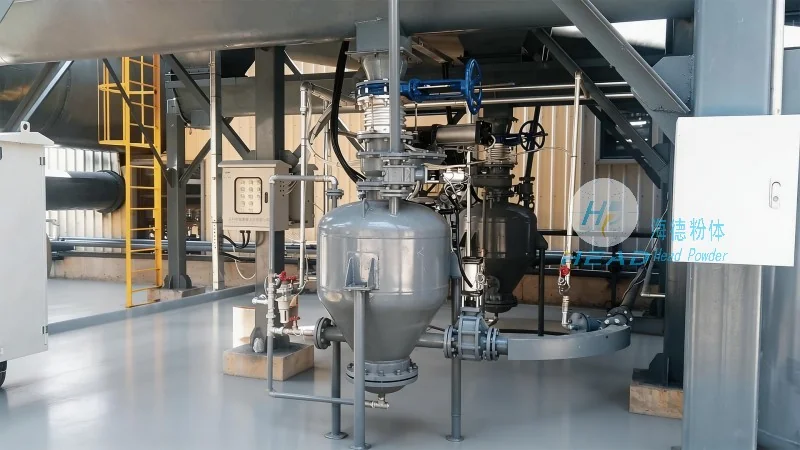
When discharging, the truck may use a pressure relief valve to prevent over-pressurization and ensure safe operation. The discharge process is carefully controlled to avoid dust emissions and ensure that the entire load is transferred efficiently. After the discharge is complete, the system is flushed to remove any remaining powder and prevent contamination.
Working Principle of the Conveying Mechanism
The working principle of a powder tank truck's material conveying system is based on mechanical and pneumatic (or hydraulic) forces. The screw conveyor or auger uses rotational motion to move the powder, leveraging the friction between the powder particles and the conveyor surface to create a pushing force. This mechanism is effective for dry, free-flowing powders but may require adjustments for cohesive or sticky materials.
The pump system, typically a positive displacement type, operates by trapping a fixed volume of powder and then forcing it through the pipeline. This method ensures a consistent flow rate, even under varying pressure conditions. The pipeline system, often made of stainless steel or PTFE-coated materials, is designed to minimize friction and prevent material buildup, which could lead to blockages.
Sensors and control systems play a critical role in maintaining the system's efficiency and safety. Pressure sensors monitor the system's pressure, while flow sensors track the volume of material being transferred. These data points are fed into the control panel, which adjusts the pump speed or conveyor rotation speed to maintain optimal conditions. Additionally, temperature sensors may be used to monitor the powder's temperature, as some materials are sensitive to heat during transport.
Key Considerations for Optimal Performance
Several factors contribute to the optimal performance of a powder tank truck's material conveying system. First, the selection of the right tank material is crucial, as it must resist corrosion and prevent contamination from the powder. Stainless steel is a common choice due to its durability and resistance to chemical reactions.
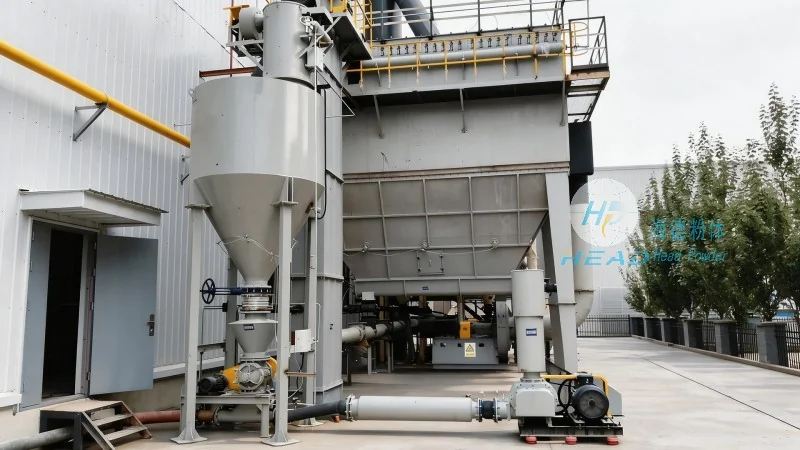
Second, the design of the screw conveyor or auger is critical. The pitch and diameter of the conveyor determine the flow rate and pressure required for the powder. For cohesive powders, a larger pitch or a different screw design may be necessary to prevent blockages. Additionally, the speed of the conveyor and pump must be matched to the powder's properties to ensure smooth operation.
Third, the pipeline system must be properly maintained to prevent blockages and ensure consistent flow. Regular cleaning and inspection of the pipeline, valves, and filters are essential to avoid downtime and ensure the system operates efficiently. The control panel must also be regularly calibrated to ensure accurate monitoring and control of the system's performance.
Applications and Industries Using Powder Tank Truck Conveying Systems
Powder tank trucks are widely used in various industries, including construction, food processing, and chemical manufacturing. In the construction industry, they are used to transport cement, fly ash, and other dry powders to building sites. In the food industry, they are used to transport flour, sugar, and other ingredients to processing facilities. In the chemical industry, they are used to transport powders such as fertilizers, pesticides, and industrial chemicals.
The versatility of powder tank trucks makes them an essential part of the supply chain for these industries. Their ability to transport large quantities of material over long distances efficiently and safely makes them a preferred choice for many applications.