

Operation Process and Working Principle of Powder Material Conveying
Understanding the operation process and working principle of powder material conveying is crucial for industries that rely on efficient handling of bulk materials. This article provides a detailed overview of the mechanisms involved, focusing on the technical aspects that ensure reliable and safe transportation of powders.
Introduction to Powder Material Conveying Systems
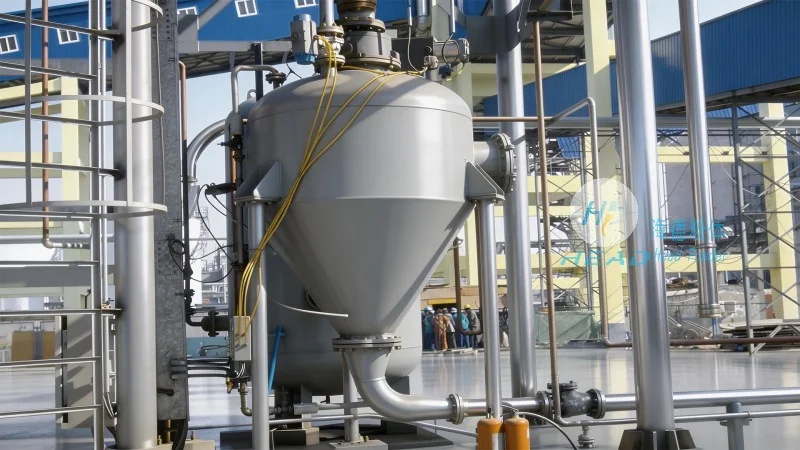
Powder material conveying systems are essential in various industrial applications, including pharmaceuticals, food processing, and chemical manufacturing. These systems are designed to transport bulk powders from one location to another with minimal loss and maximum efficiency. The technology behind these systems combines mechanical engineering principles with material science to address the unique challenges of handling fine particles.
Key Components of Powder Conveying Equipment
The effectiveness of a powder conveying system depends on several critical components. These include the feeding mechanism, which ensures a consistent flow of material into the conveyor; the conveyor itself, which may be a screw, pneumatic, or belt system; and the control system, which regulates speed and pressure. Each component plays a vital role in maintaining the integrity of the powder and preventing issues such as clogging or degradation.
Operation Process of Powder Material Conveying
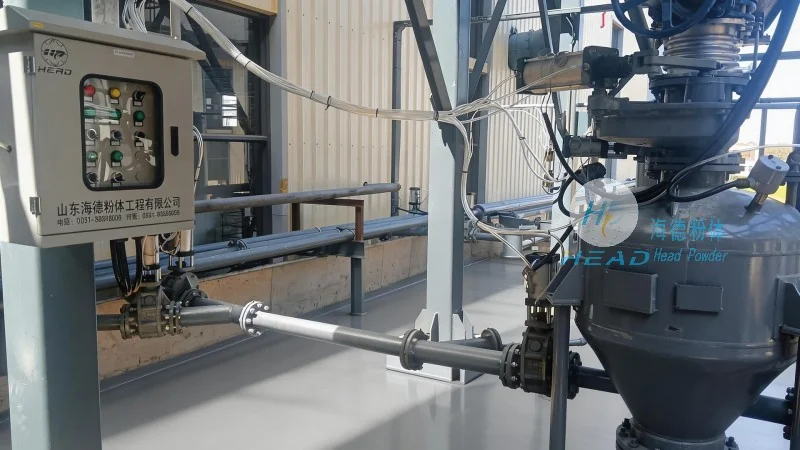
The operation process typically begins with the material being fed into the system. In a screw conveyor, for example, the material is pushed forward by rotating screws, which are designed to handle different types of powders based on their flow characteristics. Pneumatic conveyors use air pressure to move particles through a pipeline, offering flexibility in layout and the ability to transport materials over longer distances. The choice of system depends on factors like the material's density, moisture content, and dust explosion risk.
Working Principle of Different Conveying Technologies
Each conveying technology operates on a distinct principle. Screw conveyors rely on mechanical force to move material, making them suitable for dry, free-flowing powders. Pneumatic systems use air as the medium, which can be classified as positive or negative pressure systems. Positive pressure systems blow air into the pipeline, while negative pressure systems create a vacuum to draw material in. This flexibility allows for adaptation to various industrial needs and environmental conditions.
Importance of Proper Maintenance and Operation
Proper maintenance is essential to ensure the longevity and efficiency of powder conveying systems. Regular cleaning of components, checking for wear and tear, and monitoring pressure and flow rates are critical steps. Additionally, operators must be trained to handle different materials safely, as some powders may be hazardous or require specific handling protocols. By adhering to best practices, industries can minimize downtime and maximize the performance of their conveying equipment.
About Shandong HeadPowder Engineering Co., Ltd.
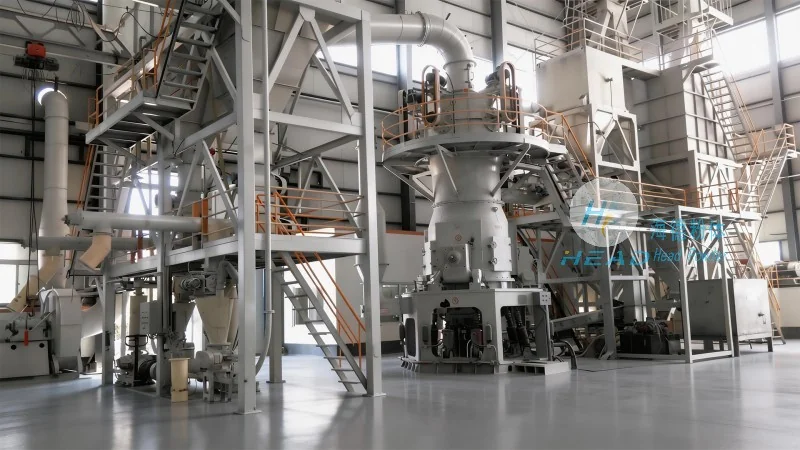
Shandong HeadPowder Engineering Co., Ltd., commonly known as headpowder, is a leading provider of powder conveying solutions. With a focus on innovation and customer satisfaction, the company specializes in designing and manufacturing equipment tailored to the unique requirements of various industries. Headpowder's expertise in material handling technology ensures that clients receive reliable and efficient systems that meet their operational needs.
Contact Information
For more information about powder material conveying systems or to learn how Shandong HeadPowder Engineering Co., Ltd. can assist with your material handling needs, please reach out to our customer service team. Our experts are available to provide guidance and support to help you optimize your material transportation processes.