

Operation Process and Working Principle of Sweet Potato Starch Material Conveying
Sweet potato starch production involves multiple stages, with material conveying being a critical step that ensures efficient processing and high-quality output. The process of transporting sweet potato starch materials, such as raw sweet potatoes, intermediate products, and finished starch, requires specialized equipment and a well-designed system to maintain consistency and minimize losses. In this article, we will explore the operation process and working principle of sweet potato starch material conveying, highlighting the key components and operational mechanisms involved.
Company Overview: Shandong HeadPowder Engineering Co., Ltd.
HeadPowder, the professional manufacturer behind these advanced conveying solutions, is a leading company in the starch processing industry. With a strong focus on innovation and customer satisfaction, HeadPowder has established itself as a trusted partner for businesses seeking reliable and efficient material handling systems. Based in Shandong, China, the company leverages years of experience and technical expertise to deliver tailored solutions that meet the specific needs of starch producers. The company’s commitment to quality and performance has earned it a reputation for excellence in the industry, making it a preferred choice for clients worldwide.
Key Components of Sweet Potato Starch Material Conveying Systems
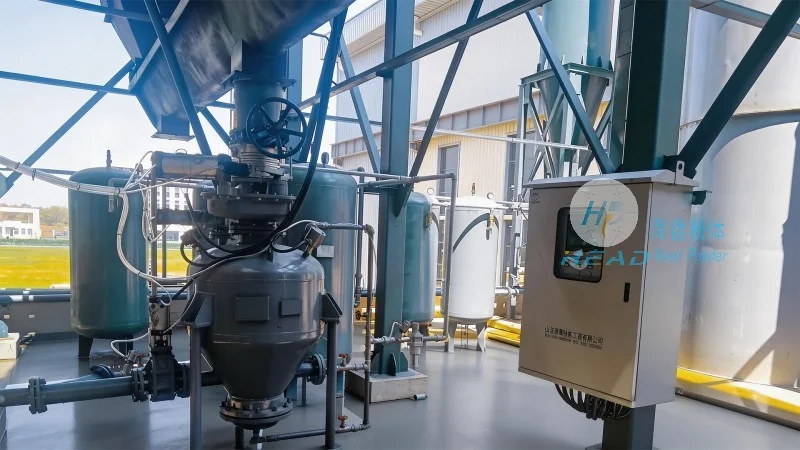
The sweet potato starch material conveying system typically consists of several key components that work in tandem to ensure smooth and continuous operation. These components include feeders, conveyors (such as belt conveyors, screw conveyors, or pneumatic conveyors), storage hoppers, and control systems. Each component plays a vital role in the overall process, and their proper integration is essential for optimal performance.
Feeders are responsible for uniformly feeding the sweet potato starch material into the conveying system. They ensure a consistent flow rate, preventing overloading or underloading of the conveyor. Common types of feeders include gravity feeders, vibratory feeders, and screw feeders, each designed to handle different material characteristics and flow rates. The choice of feeder depends on factors such as material size, moisture content, and the desired conveying speed.
Conveyors are the core of the material handling system, responsible for transporting the sweet potato starch from one point to another. Belt conveyors are widely used due to their simplicity and efficiency, especially for horizontal or slightly inclined applications. Screw conveyors, on the other hand, are ideal for vertical or inclined transport, as they can handle a wide range of materials and provide a continuous flow. Pneumatic conveyors, or airslides, use air pressure to move the material, making them suitable for fine powders and granules. The selection of the conveyor type depends on the material's properties, such as particle size, density, and moisture content, as well as the required conveying distance and speed.
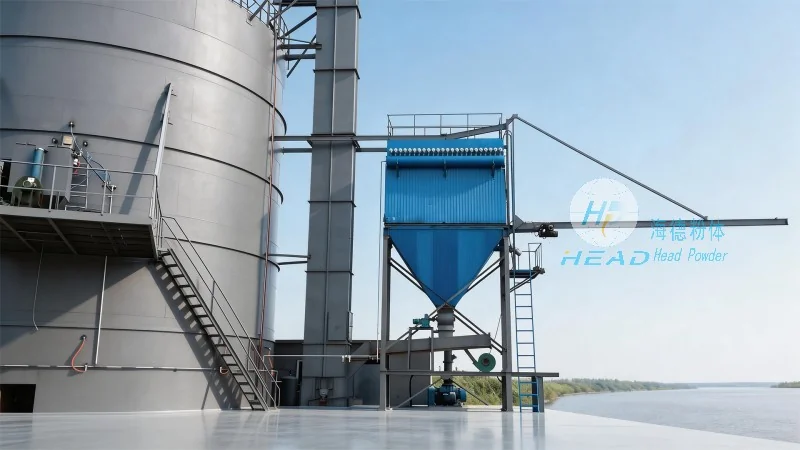
Storage hoppers are used to temporarily store the sweet potato starch material before it is conveyed to the next processing stage. They help regulate the flow rate and prevent material buildup, ensuring a steady supply to the conveyor. The hoppers are typically designed with smooth surfaces and sloped sides to facilitate material discharge and minimize clogging. Proper design of the hoppers is crucial to maintain material quality and prevent contamination.
Control systems are essential for monitoring and regulating the conveying process. These systems include sensors, controllers, and indicators that track the flow rate, pressure, and level of the material. They allow operators to adjust the system parameters in real-time, ensuring optimal performance and preventing equipment damage. Modern control systems often integrate with other processing equipment, enabling automated and efficient operation.
The Operation Process of Sweet Potato Starch Material Conveying
The operation process of sweet potato starch material conveying involves several steps that are carefully coordinated to ensure smooth and efficient material handling. The process typically starts with the raw sweet potatoes being delivered to the processing facility. The potatoes are then washed, peeled, and cut into smaller pieces before being sent to the starch extraction stage.
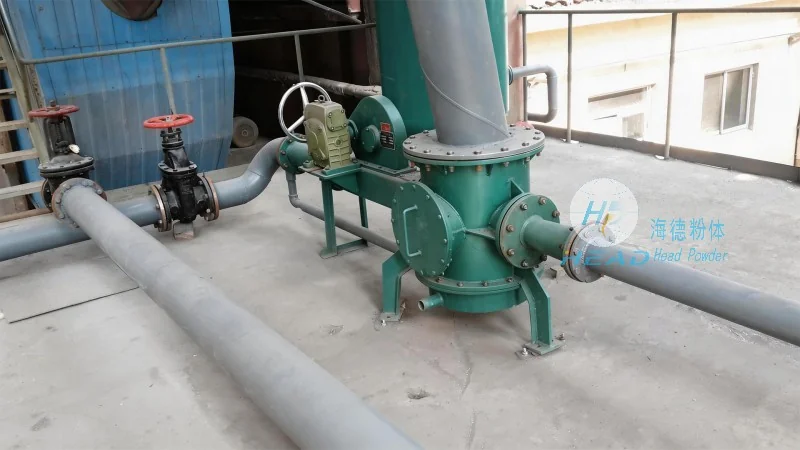
After starch extraction, the intermediate products, such as pulp and slurry, are conveyed to the next processing stage. The conveying process begins with the material being fed into the storage hopper. The feeder then regulates the flow rate, ensuring a consistent supply to the conveyor. The conveyor transports the material to the processing equipment, such as centrifuges or filters, where the starch is separated from the water.
The finished starch is then conveyed to the storage or packaging area. The conveying system may include multiple stages, with each stage handling a specific type of material. For example, the system may include a belt conveyor for horizontal transport and a screw conveyor for vertical transport. The control system monitors the flow rate and adjusts the speed of the conveyor as needed to maintain a steady flow.
Throughout the operation process, the material is continuously monitored for quality and consistency. Any deviations in the flow rate or material properties are detected by the control system, which triggers an alert or adjusts the system parameters to correct the issue. This ensures that the starch produced meets the required quality standards and is free from contaminants.
Working Principle of Sweet Potato Starch Material Conveying
The working principle of sweet potato starch material conveying is based on the physical properties of the material and the mechanical forces applied to it. The primary goal is to move the material from one location to another with minimal energy consumption and maximum efficiency. The system relies on the principles of gravity, friction, and air pressure, depending on the type of conveyor used.