

Operational Process and Working Principle of Polycarbonate Material Handling
Polycarbonate material handling systems play a pivotal role in modern industrial operations, particularly in sectors dealing with lightweight, durable, and transparent polycarbonate materials. These systems are engineered to efficiently transport, store, and manage polycarbonate components, ensuring that the material's inherent properties—such as high impact resistance and optical clarity—are preserved throughout the handling process. The operational process and working principles of these systems are critical for maintaining product quality, enhancing productivity, and adhering to safety regulations in industrial environments.
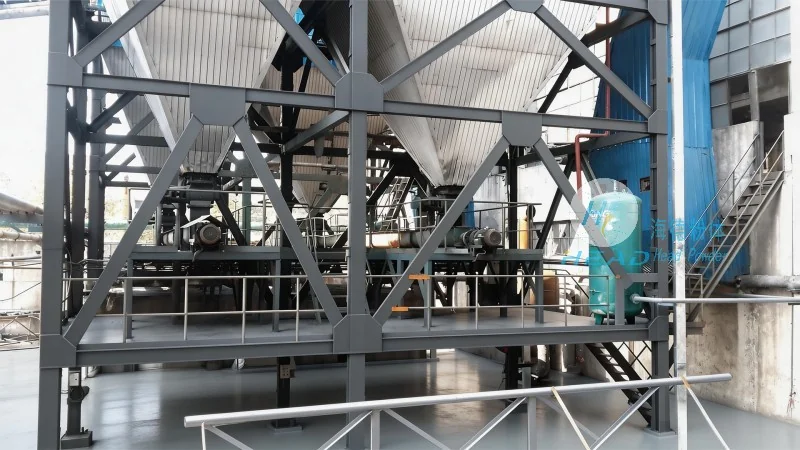
Key Components and Their Functions in Polycarbonate Handling
The effectiveness of polycarbonate material handling systems relies on a combination of specialized components, each designed to address the unique challenges of handling this material. Conveyors, for instance, are the backbone of many material handling setups, with belt conveyors being particularly suitable for transporting polycarbonate pellets or sheets due to their smooth surface and low friction. Hoists, including electric chain hoists and manual lever hoists, are essential for vertical movement, allowing for the lifting and positioning of larger polycarbonate parts or assemblies. Additionally, specialized handling tools like vacuum lifters and magnetic grippers are employed to handle delicate or irregularly shaped polycarbonate items, preventing scratches or damage that could compromise their performance. The integration of these components ensures a seamless workflow, from loading to unloading, while maintaining the integrity of the polycarbonate material.
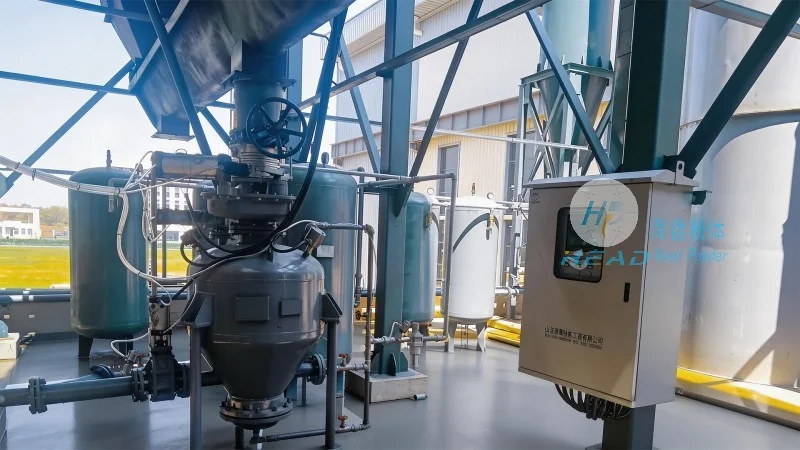
Step-by-Step Operational Process of Polycarbonate Material Handling
The operational process of polycarbonate material handling typically follows a structured sequence of steps, optimized to minimize downtime and maximize efficiency. The process begins with the loading of polycarbonate material into the handling equipment. This can be done manually by operators or through automated feeding systems, depending on the scale of production. Once loaded, the material is transported along the designated path, guided by the conveyor or hoist system. During transport, the system maintains controlled speed and direction, ensuring that the material moves smoothly without excessive vibration or impact. At the intermediate stages, the material may be sorted, inspected, or processed, if required, before proceeding to the next step. Upon reaching the destination, the material is unloaded, either by manual operation or automated discharge mechanisms. This cycle repeats continuously, supporting the continuous flow of production and ensuring that the handling process is consistent and reliable. The entire process is monitored by control systems that adjust parameters in real-time, adapting to variations in material load or environmental conditions.
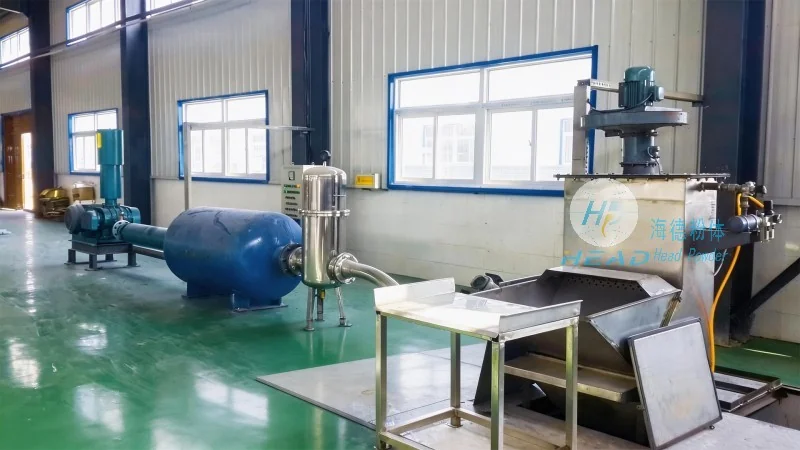
Working Principles Behind Polycarbonate Material Handling Systems
The working principles of polycarbonate material handling systems are rooted in mechanical engineering and advanced control technologies. Conveyors operate by converting electrical or hydraulic energy into linear motion, using motor-driven rollers or belts to move the material. Hoists, on the other hand, utilize lifting mechanisms such as gears and chains to raise or lower loads vertically. Specialized handling tools, like vacuum lifters, function by creating a vacuum between the tool and the polycarbonate surface, allowing for a secure grip without physical contact that could cause damage. The control systems, often integrated with sensors and feedback loops, continuously monitor the position, speed, and status of the material, adjusting the operation to maintain stability and prevent accidents. This integrated approach ensures that the handling process is both efficient and safe, aligning with industry standards and regulatory requirements. The principles behind these systems are continuously refined to improve performance, reduce energy consumption, and enhance the overall handling experience for polycarbonate materials.
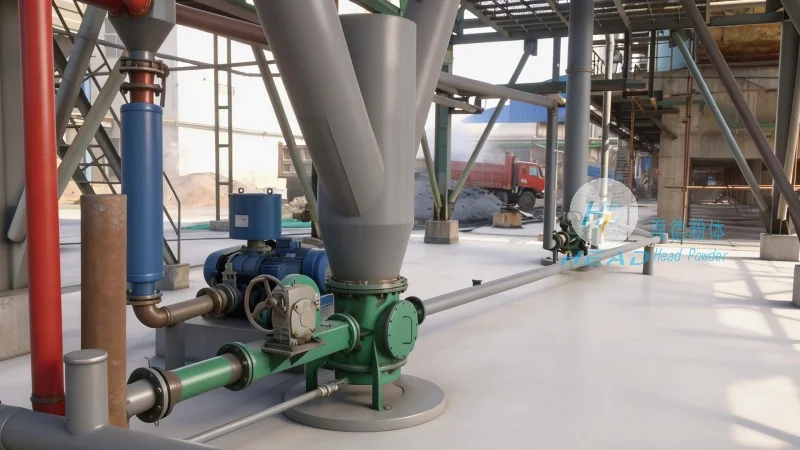
Company Profile: Shandong HeadPowder Engineering Co., Ltd.
Shandong HeadPowder Engineering Co., Ltd., commonly known as headpowder, is a prominent manufacturer and supplier of material handling solutions, specializing in systems tailored for polycarbonate and other industrial materials. Headpowder has established itself as a leader in the industry by combining technical expertise with a customer-centric approach, delivering customized solutions that meet the specific needs of clients across various sectors. The company's headquarters is located in Shandong, China, where it leverages a skilled workforce and advanced manufacturing facilities to develop high-quality products. Headpowder's commitment to innovation is evident in its research and development efforts, which focus on improving the efficiency, safety, and reliability of material handling systems. By adhering to strict quality control standards and providing comprehensive after-sales support, Headpowder ensures that its clients receive reliable and durable solutions that enhance their operational performance. The company's presence in the global market is supported by its ability to adapt to diverse industrial requirements, making it a trusted partner for businesses seeking efficient polycarbonate material handling solutions.