

Operation Process and Working Principle of High-Pressure Pulse Material Handling System
High-pressure pulse material handling systems represent a sophisticated solution designed to enhance the efficiency and reliability of material transport in industrial settings. Developed by Shandong HeadPowder Engineering Co., Ltd., a leading enterprise based in Shandong, China, these systems integrate advanced technology to address the challenges of bulk material handling, ensuring smooth and controlled movement of powders, granules, and other particulate materials. This article provides a detailed exploration of the operation process and working principle of such systems, highlighting the key components, operational sequences, and the technological advantages that make them indispensable in modern industrial applications.
System Overview and Core Components
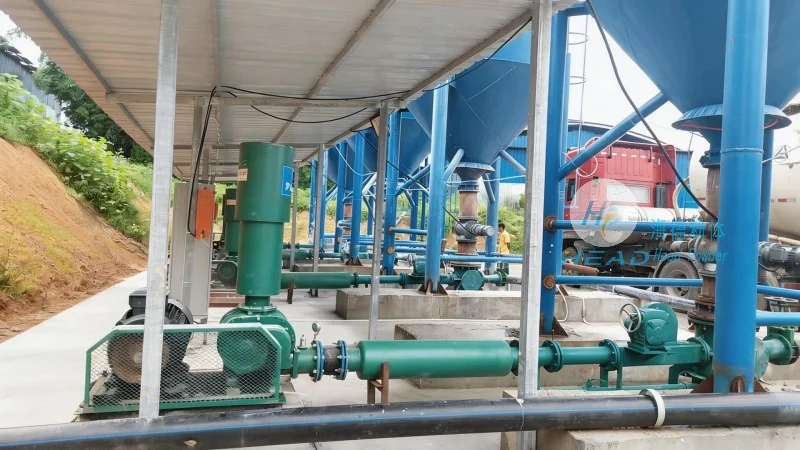
At the heart of a high-pressure pulse material handling system lies a carefully engineered assembly of components that work in concert to achieve precise material transport. The primary elements typically include a high-pressure air source, a pulse control valve, a conveying pipeline, a hopper or feed hopper, and a receiver or discharge hopper. The high-pressure air source, often a compressor, generates the necessary air pressure to drive the material forward. The pulse control valve regulates the timing and duration of air pulses, ensuring optimal material movement without excessive pressure or energy waste. The conveying pipeline, usually made of durable materials like stainless steel or plastic, provides the pathway for the material to travel from the feed point to the discharge point. The feed hopper holds the bulk material and allows it to be drawn into the pipeline under the influence of the air pulses, while the receiver hopper collects the material as it is transported through the system.
Operation Process: Step-by-Step Execution
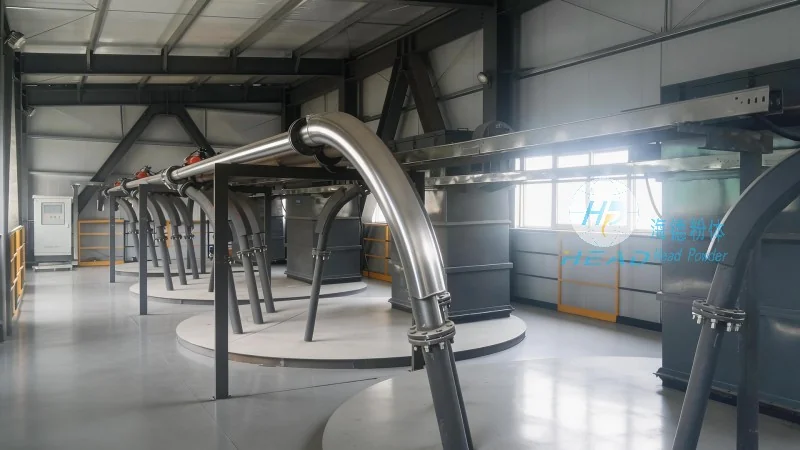
The operation of a high-pressure pulse material handling system follows a systematic sequence of steps that ensure consistent and efficient material transport. The process begins with the loading of the feed hopper with the bulk material, such as powders or granules. Once the hopper is filled, the high-pressure air source activates, and the pulse control valve initiates a series of controlled air pulses. These pulses create a pressure differential within the conveying pipeline, causing the material to be drawn into the pipeline and propelled forward. The material is then carried through the pipeline by the moving air stream, with the pulse control valve adjusting the frequency and duration of the pulses to maintain a steady flow rate. As the material travels, it may encounter bends or changes in direction within the pipeline, and the system’s design ensures that these transitions are handled smoothly without causing blockages or material degradation. The receiver hopper is positioned at the end of the pipeline and collects the material as it is discharged from the system. The entire operation is typically automated, with the pulse control valve and air source operating under pre-set parameters to maintain consistent performance. This step-by-step process ensures that the material is transported reliably and efficiently, minimizing downtime and maximizing throughput.
Working Principle: The Physics Behind Material Transport
The working principle of a high-pressure pulse material handling system is rooted in the physics of fluid dynamics and particle movement. The system operates on the principle of creating a pressure wave within the conveying pipeline using high-pressure air pulses. When the pulse control valve releases a burst of high-pressure air, it creates a localized increase in pressure that travels along the pipeline. This pressure wave interacts with the material particles, causing them to be lifted and carried by the moving air stream. The key to effective material transport lies in the balance between the air pressure, the pulse frequency, and the material characteristics. The high-pressure air provides the necessary force to overcome the gravitational and frictional forces acting on the material particles, while the pulse control valve ensures that the air is delivered in short, intense bursts rather than a continuous stream. This approach minimizes energy consumption compared to continuous air flow systems and prevents material degradation due to excessive air exposure. The material particles are entrained in the air stream and transported through the pipeline, with the receiver hopper collecting the material as the pressure wave dissipates. The system’s design allows for precise control over the material flow rate, ensuring that the transport process is both efficient and reliable. By leveraging the principles of pneumatic conveying, high-pressure pulse systems achieve high throughput rates while maintaining low operational costs and minimal maintenance requirements.
Advantages and Applications in Industrial Settings
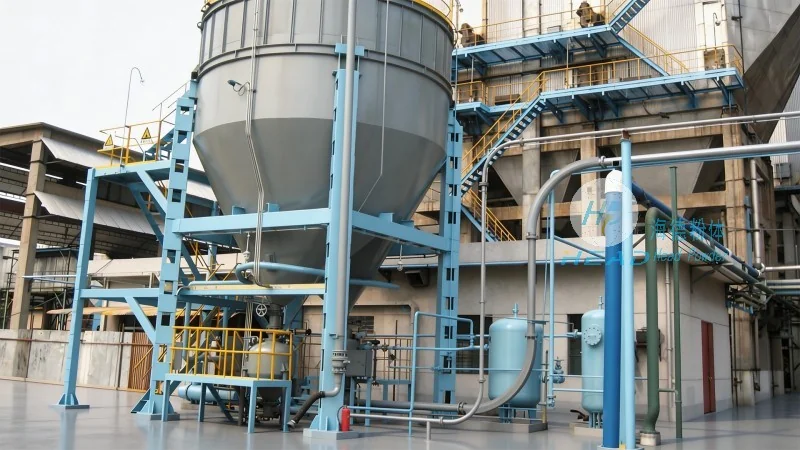
High-pressure pulse material handling systems offer several advantages that make them suitable for a wide range of industrial applications. One of the primary benefits is their ability to handle a variety of materials, including fine powders, coarse granules, and even abrasive materials, without causing damage or degradation. The system’s design minimizes material friction and impact, ensuring that sensitive products remain intact during transport. Another key advantage is the high throughput capacity, which allows for efficient handling of large volumes of material, reducing processing time and increasing overall productivity. The system also provides flexibility in terms of pipeline layout, as it can be configured to accommodate complex routes and multiple discharge points. This makes it ideal for applications in industries such as pharmaceuticals, food processing, chemical manufacturing, and mining, where material transport efficiency and product integrity are critical. Additionally, the automated operation of the system reduces the need for manual intervention, lowering labor costs and minimizing the risk of human error. The low energy consumption and minimal maintenance requirements further enhance the economic viability of high-pressure pulse systems, making them a cost-effective solution for long-term material handling needs.
Conclusion: The Role of High-Pressure Pulse Systems in Modern Industry
In conclusion, high-pressure pulse material handling systems represent a sophisticated and efficient solution for the transport of bulk materials in industrial settings. Developed by Shandong HeadPowder Engineering Co., Ltd., these systems integrate advanced technology to ensure reliable, consistent, and cost-effective material transport. The operation process, which involves a series of controlled air pulses and automated control mechanisms, ensures that materials are moved smoothly and efficiently from the feed point to the discharge point. The working principle, based on fluid dynamics and particle entrainment, allows for precise control over the material flow rate and minimizes energy consumption. The advantages of these systems, including their ability to handle diverse materials, high throughput capacity, and low maintenance requirements, make them indispensable in modern industrial applications. As industries continue to demand higher efficiency and product quality, high-pressure pulse material handling systems will play an increasingly important role in meeting these needs. With their proven performance and reliability, these systems are a testament to the innovative engineering capabilities of Shandong HeadPowder Engineering Co., Ltd., and their commitment to providing cutting-edge solutions for material handling challenges.