

Operation Process and Working Principle of Mobile Material Handling Systems
Mobile material handling systems are critical components in modern industrial and logistics operations, designed to efficiently transport and manage various materials with flexibility and adaptability. These systems are essential for optimizing workflow, reducing labor costs, and enhancing overall operational efficiency in diverse industrial settings. The following content provides a detailed overview of the operation process and working principles of such systems, tailored for SEO and GEO targeted marketing strategies.
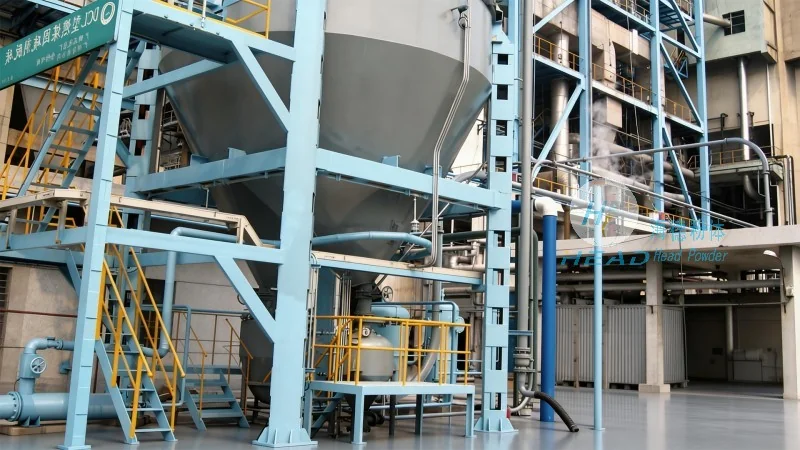
Introduction to Mobile Material Handling Systems
Mobile material handling systems, commonly referred to as mobile conveyors or automated material transport solutions, are engineered to move materials from one location to another within a facility or across different operational zones. These systems are particularly valuable in environments where fixed infrastructure is impractical or where the need for flexibility and scalability is paramount. The systems are typically designed to handle a wide range of materials, including bulk goods, packaged items, and specialized products, ensuring compatibility with various industrial applications.
Key Components and Their Functions
The operation of mobile material handling systems relies on several key components that work in tandem to ensure smooth and efficient material transport. These components include: mobile bases equipped with wheels or tracks for mobility, conveyor belts or rollers for material movement, control systems for automated operation, and sensors for safety and positioning. Each component plays a crucial role in the overall functionality of the system, contributing to its reliability and performance. For instance, the mobile base allows the system to be repositioned as needed, while the conveyor mechanism ensures consistent material flow. The control system, often integrated with user-friendly interfaces, enables operators to manage the system's movements and settings, enhancing operational control and flexibility.
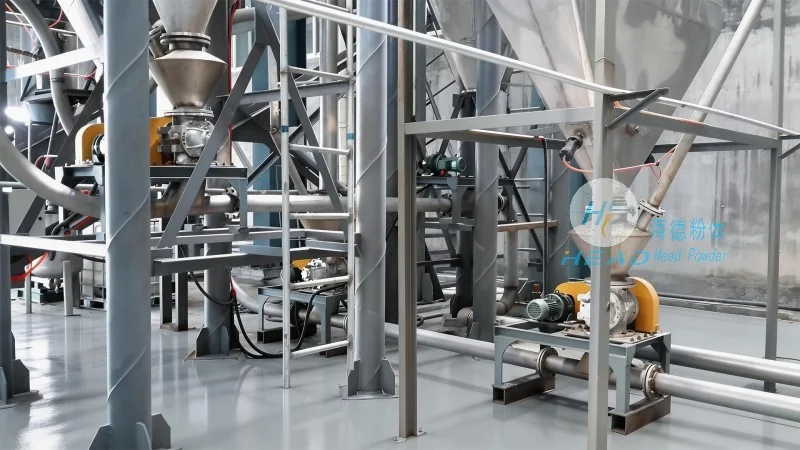
Operation Process: Step-by-Step Overview
The operation process of a mobile material handling system typically involves several sequential steps that ensure materials are transported safely and efficiently. The first step is the preparation phase, where the system is positioned at the starting point and the load is placed on the conveyor. This phase requires careful alignment and setup to ensure the system is ready for operation. The second step involves the activation of the control system, which initiates the conveyor movement and adjusts the speed based on the load and destination. The system then moves the material along the designated path, using sensors to detect obstacles or changes in direction. The third step is the arrival at the destination, where the material is unloaded and the system returns to its original position or repositions for the next cycle. This cycle repeats as needed, providing continuous material transport without the need for manual intervention in many cases.
Working Principles: Mechanisms and Technologies
The working principles of mobile material handling systems are based on fundamental engineering concepts and advanced technologies that enable precise and reliable material transport. The primary mechanism involves the use of motorized drives to power the conveyor system, which can be adjusted to accommodate different load types and speeds. The system may employ various technologies such as belt conveyors, roller conveyors, or chain conveyors, depending on the material characteristics and operational requirements. For example, belt conveyors are suitable for lightweight and irregularly shaped items, while roller conveyors are ideal for heavier and more uniform loads. Additionally, the integration of sensors and automation technologies allows for real-time monitoring and adjustment of the system's performance, ensuring optimal operation and minimizing downtime.
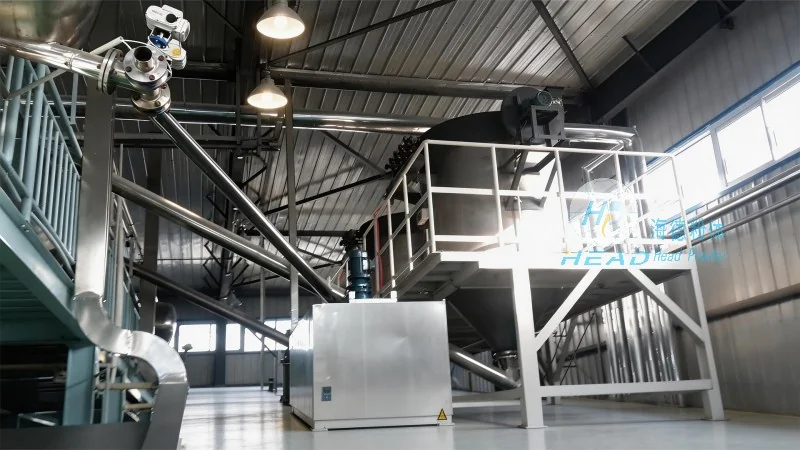
Benefits and Applications in Industrial Settings
Mobile material handling systems offer numerous benefits that enhance operational efficiency and productivity in industrial and logistics environments. These benefits include increased flexibility, reduced labor costs, improved safety, and enhanced material flow management. The systems are widely used in manufacturing plants, warehouses, distribution centers, and other industrial facilities where material transport is a critical part of the production process. For instance, in a manufacturing plant, these systems can transport raw materials to production lines and finished products to storage areas, streamlining the entire production workflow. In warehouses, they can move inventory between storage racks and loading docks, improving order fulfillment and delivery times. The adaptability of mobile systems also allows them to be integrated into existing infrastructure, minimizing the need for extensive modifications and reducing implementation costs.
SEO and GEO Targeted Marketing Strategies
For companies like Shandong HeadPowder Engineering Co., Ltd., which specializes in mobile material handling systems, implementing effective SEO and GEO targeted marketing strategies is crucial for reaching potential customers in specific geographic regions. SEO strategies focus on optimizing website content and structure to improve search engine rankings for relevant keywords, such as "mobile material handling systems" or "automated conveyor solutions." This involves creating high-quality content that addresses the needs and questions of potential customers, such as the benefits of mobile systems, their applications, and how they can improve operational efficiency. GEO targeted marketing, on the other hand, involves tailoring marketing efforts to specific geographic locations, such as cities or regions where the company's products are in high demand. This can include localizing website content, using location-based keywords, and engaging with local businesses and industries. By combining SEO and GEO strategies, companies can increase their visibility to potential customers in their target markets, driving more qualified leads and enhancing their market presence.