

Operation Process and Working Principle of Cement Tank Truck Material Conveying Lines
HeadPowder, a leading provider in the field of industrial material handling, specializes in the design, manufacturing, and installation of cement tank truck material conveying lines. These systems are crucial for the efficient and safe transportation of bulk cement and other powdery materials from production facilities to construction sites. The following article provides a detailed overview of the operation process and working principle of such systems, highlighting the key components and the step-by-step procedures involved.
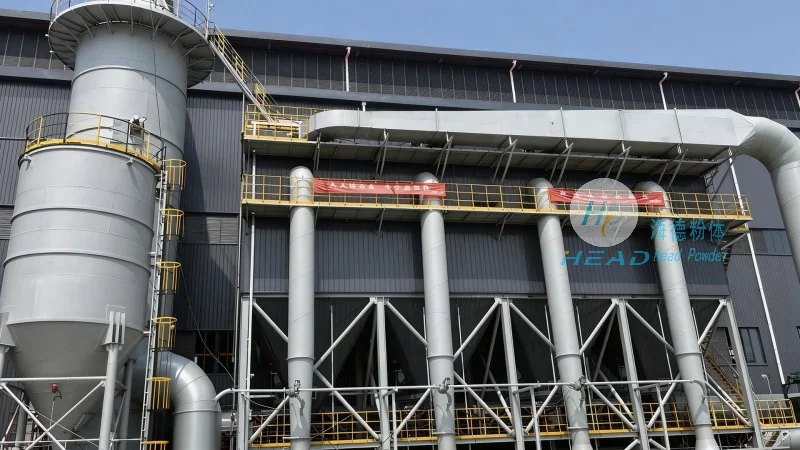
Overview of Cement Tank Truck Material Conveying Lines
Cement tank truck material conveying lines are engineered to facilitate the seamless transfer of cement and similar dry bulk materials from large storage silos or production plants to concrete mixing stations or construction sites. These systems typically consist of a cement tank truck equipped with a high-pressure pump and a network of pipelines, valves, and control units. The primary goal is to ensure that the material is transported with minimal loss, optimal flow control, and maximum safety, adhering to industrial standards and regulations.
Key Components of the Conveying System
The effective operation of a cement tank truck material conveying line relies on several critical components, each playing a vital role in the overall process. The main components include:
- Cement Tank Truck: A specialized vehicle designed to store and transport large quantities of cement. It features a cylindrical tank with a conical bottom to facilitate the discharge of material.
- High-Pressure Pump: The heart of the system, responsible for generating the necessary pressure to move the cement through the pipelines. This pump is usually a positive displacement type, such as a plunger or gear pump, capable of handling high-viscosity and abrasive materials.
- Pipeline Network: A series of pipes, often made of stainless steel or other corrosion-resistant materials, that connect the tank truck to the receiving silo or mixing station. The pipes are equipped with elbows, tees, and other fittings to direct the flow of material.
- Valves and Controls: Essential for regulating the flow rate, pressure, and direction of the cement. These include check valves, gate valves, and control valves that allow operators to start, stop, or adjust the flow as needed.
- Filters and Strainers: Installed to prevent debris or foreign particles from entering the pump or pipelines, which could cause damage or blockages.
Operation Process of the Material Conveying Line
The operation of a cement tank truck material conveying line involves a series of well-defined steps to ensure efficient and safe material transfer. The process typically begins when the tank truck arrives at the loading or receiving site. Here is a step-by-step breakdown of the operation:
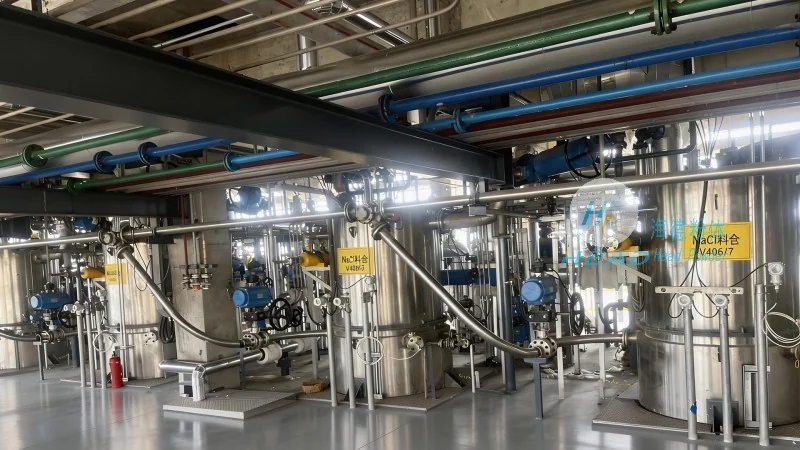
- Arrival and Preparation: The cement tank truck is positioned at the designated loading point, ensuring proper alignment with the receiving silo or pipeline. The truck's tank is secured, and the pump is started to purge any air from the system.
- Connection and Sealing: The truck's discharge outlet is connected to the receiving pipeline using a flexible coupling or a dedicated connector. Sealing mechanisms are activated to prevent any leaks during the transfer process.
- Start of Conveying: Once the system is properly connected and sealed, the high-pressure pump is activated. The pump generates the required pressure to push the cement from the truck's tank through the pipeline to the receiving silo or mixing station.
- Flow Control and Monitoring: During the conveying process, operators monitor the flow rate, pressure, and temperature of the system. Adjustments are made using the control valves to maintain optimal flow and prevent overpressure or underflow.
- Completion and Shutdown: When the desired amount of cement has been transferred, the pump is stopped, and the system is depressurized. The connections are disassembled, and the truck is prepared for the next trip. The entire process is typically automated to minimize human intervention and reduce the risk of errors.
Working Principle of the Material Conveying System
The working principle of a cement tank truck material conveying line is based on the principles of fluid dynamics and mechanical pressure. The system operates by creating a pressure differential between the tank truck and the receiving point, which forces the cement to flow through the pipelines. The high-pressure pump plays a crucial role in this process by converting mechanical energy into hydraulic pressure, enabling the movement of the bulk material.
When the pump is activated, it draws the cement from the tank truck's tank and forces it into the pipeline. The pressure generated by the pump overcomes the gravitational and frictional forces that oppose the flow of the material. The pipeline network is designed to minimize pressure losses and ensure a smooth, continuous flow. Valves and control units are used to regulate the pressure and flow rate, allowing for precise control over the transfer process.
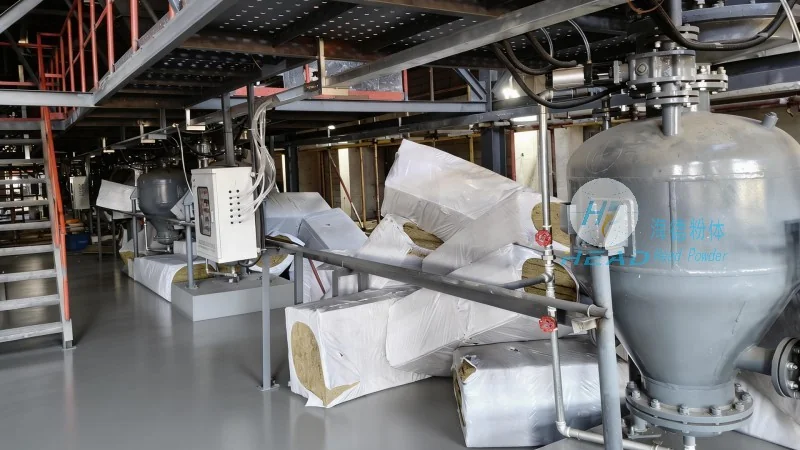
Advantages and Practical Applications
Cement tank truck material conveying lines offer several advantages over traditional methods of cement transportation, such as manual loading or bagging. These systems are highly efficient, capable of transferring large quantities of cement in a short period, reducing labor costs and increasing productivity. They also provide better control over the quality of the cement, as the material is kept in a sealed environment, preventing contamination or moisture absorption.
These systems are widely used in various industries, including construction, where they are essential for supplying concrete mixing plants with the required cement. They are also used in industrial applications, such as the production of ready-mixed concrete, precast concrete components, and other cement-based products. The flexibility of the system allows it to be adapted to different site conditions and material requirements, making it a versatile solution for bulk material handling.
Shandong HeadPowder Engineering Co., Ltd., based in Shandong, China, is a reputable manufacturer of cement tank truck material conveying lines. With years of experience and a commitment to quality, HeadPowder provides reliable and efficient systems that meet the needs of various industrial applications. The company's products are designed to be durable, easy to maintain, and compliant with international standards, ensuring long-term performance and customer satisfaction.