

Operation Process and Working Principle of Fine Chemical Material Conveying Lines
Shandong HeadPowder Engineering Co., Ltd., commonly known as HeadPowder, is a professional manufacturer specializing in the design, production, and installation of fine chemical material conveying systems. The company is headquartered in Shandong, China, and has established a strong reputation in the industry for its high-quality equipment and reliable service. This article provides a detailed overview of the operation process and working principle of fine chemical material conveying lines, highlighting the key components and operational mechanisms that ensure efficient and safe material handling.
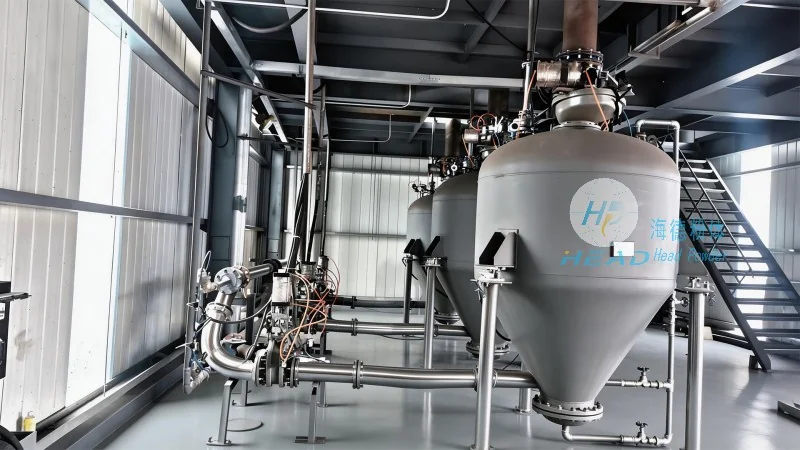
Overview of Fine Chemical Material Conveying Lines
Fine chemical material conveying lines are specialized systems engineered to transport powders, granules, and other fine chemicals with precision and control. These systems are critical in various industrial applications, including pharmaceuticals, food processing, and chemical manufacturing, where maintaining product integrity and preventing contamination is paramount. The design of these conveying lines incorporates advanced technology to handle materials with high accuracy, ensuring minimal product degradation and consistent quality throughout the process.
Key Components of the Conveying System
The fine chemical material conveying line typically consists of several essential components that work in tandem to achieve efficient material transport. These components include feeders, conveyors (such as screw conveyors, pneumatic conveyors, or belt conveyors), control systems, and dust collection units. Each component plays a crucial role in the overall operation, ensuring that materials are moved smoothly and safely from the source to the destination. For instance, feeders are responsible for regulating the flow rate of the material, preventing overloading or underloading of the conveyor. The control system monitors and adjusts the operation parameters in real-time, while the dust collection unit ensures a clean and safe working environment by capturing airborne particles.
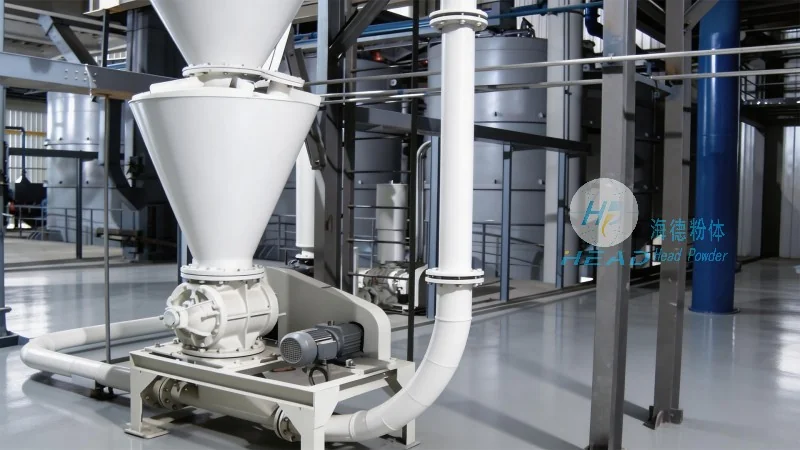
Operation Process of the Conveying Line
The operation process of a fine chemical material conveying line begins with the material being fed into the system from a storage hopper or silo. The feeder then regulates the flow of the material, ensuring a consistent and controlled feed rate. The material is then transported through the conveyor system, which may involve multiple stages of transport, such as vertical or horizontal movement. During the transport process, the material is continuously monitored for any variations in flow or pressure, and adjustments are made as needed to maintain optimal performance. The conveying line is designed to handle materials with varying properties, including different particle sizes, densities, and moisture content, making it versatile for a wide range of applications.
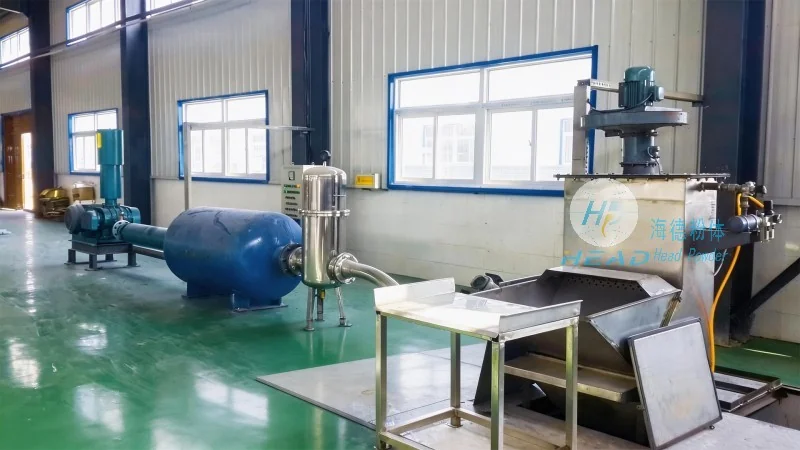
Working Principle of the Conveying System
The working principle of fine chemical material conveying lines is based on the principles of fluid dynamics and mechanical engineering. The system utilizes either mechanical or pneumatic forces to move the material through the conveying line. In mechanical conveying systems, such as screw conveyors, the material is pushed forward by rotating screws, which create a positive pressure to move the material. In pneumatic conveying systems, the material is carried by a stream of air or gas, which creates a negative pressure to draw the material through the line. The choice of conveying method depends on the properties of the material and the specific requirements of the application. For example, screw conveyors are suitable for handling dry, free-flowing materials, while pneumatic conveyors are better suited for materials that are dusty or have a high moisture content.
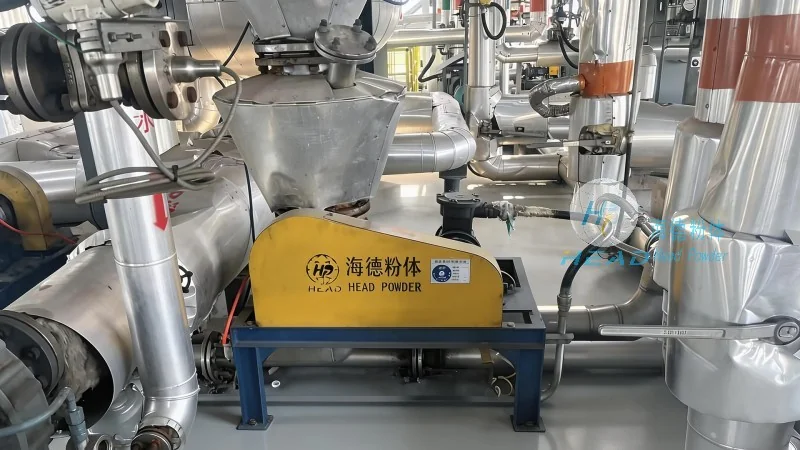
Technical Features and Advantages
HeadPowder's fine chemical material conveying lines are equipped with several technical features that enhance their performance and reliability. These features include adjustable speed control, which allows for precise control of the material flow rate; temperature control systems, which prevent material degradation due to overheating; and advanced filtration systems, which ensure that the material remains clean and free from contaminants. The conveying lines are also designed with safety features, such as emergency stop buttons and overload protection, to prevent accidents and ensure the safety of the operators. Additionally, the systems are constructed from high-quality materials, such as stainless steel, which are resistant to corrosion and wear, ensuring a long service life.
Application Examples and Industry Impact
Fine chemical material conveying lines are widely used in various industries, including pharmaceuticals, food processing, and chemical manufacturing. In the pharmaceutical industry, these systems are used to transport active pharmaceutical ingredients (APIs) and other fine chemicals, ensuring that the products are handled with the highest level of precision and care. In the food processing industry, the conveying lines are used to transport ingredients such as powders and granules, maintaining the quality and safety of the final products. In the chemical manufacturing industry, the systems are used to transport raw materials and intermediates, improving the efficiency of the production process. The use of fine chemical material conveying lines has significantly improved the productivity and quality of these industries, making them more competitive in the global market.