

Operation Process and Working Principle of Aluminum Dross Material Conveying Line
Aluminum dross material conveying lines are critical components in the aluminum processing industry, designed to efficiently transport aluminum dross—a byproduct of aluminum smelting and processing—from one location to another. These systems are engineered to handle the unique characteristics of aluminum dross, such as its abrasive nature and varying particle sizes, ensuring reliable and safe material handling. The operation and working principles of such lines involve a combination of mechanical components, control systems, and operational protocols that work in tandem to achieve optimal performance.
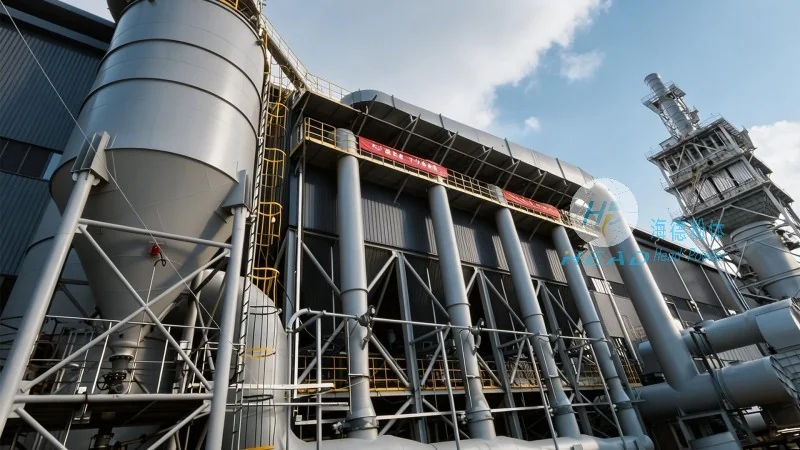
Working Principle of Aluminum Dross Material Conveying Lines
The core working principle of aluminum dross material conveying lines revolves around the use of specialized equipment to move dross material through a system. Typically, these lines employ a series of components including feeders, conveyors (such as belt conveyors, screw conveyors, or pneumatic conveying systems), and control mechanisms. The process begins with the dross being fed into the system, often from a storage hopper or a processing unit. A feeder, such as a rotary valve or a screw feeder, regulates the flow of dross into the conveyor, ensuring a consistent and controlled input. The conveyor then transports the dross along a designated path, which may include inclines, declines, or horizontal sections, depending on the layout of the processing facility. Control systems, including sensors and variable frequency drives (VFDs), monitor the flow rate, speed, and position of the material, adjusting the conveyor speed as needed to maintain optimal operation. This integrated approach ensures that the aluminum dross is moved efficiently while minimizing the risk of blockages, material degradation, or equipment damage.
Operation Process of Aluminum Dross Material Conveying Lines
The operation process of aluminum dross material conveying lines involves several key steps that are executed sequentially to ensure smooth and continuous material transport. The first step is the preparation phase, where the aluminum dross is collected from the source, such as a melting furnace or a dross collection area. The dross is then transferred to the feed hopper of the conveying system. During this phase, the system is checked for any obstructions or maintenance needs, and the control system is calibrated to the desired operating parameters. The second step is the start-up process, where the conveyor is activated. The feeder is engaged first to ensure a steady flow of dross into the conveyor. The conveyor motor is then started, and the speed is adjusted to the optimal level based on the material characteristics and system requirements. The third step is the continuous operation phase, where the conveying line runs as per the set parameters. The control system continuously monitors the flow rate and conveyor speed, making real-time adjustments to maintain a stable operation. If any anomalies are detected, such as a blockage or a change in material flow, the system triggers an alarm and may automatically shut down or adjust the operation to prevent damage. The fourth step is the shutdown process, where the conveying line is stopped in a controlled manner. The feeder is stopped first, followed by the conveyor motor. The system is then checked for any residual material and cleaned as necessary to prepare for the next batch of dross. Throughout the operation process, safety protocols are strictly followed, including the use of guards on moving parts and regular inspections to ensure compliance with safety standards.
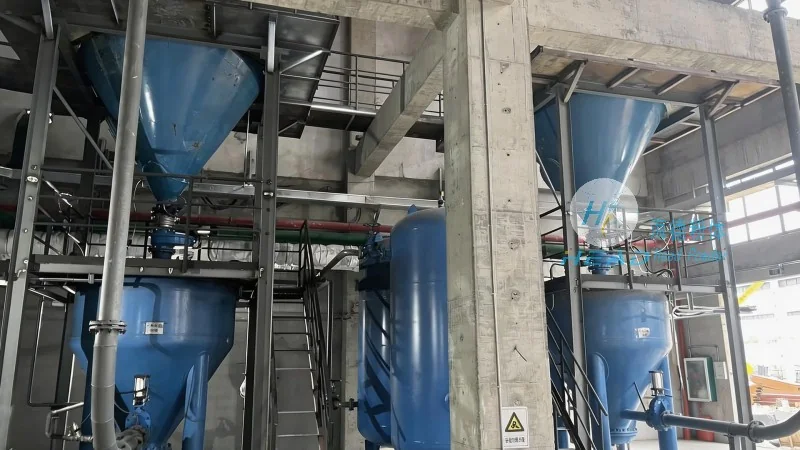
Key Components and Their Roles in Aluminum Dross Conveying Lines
Several key components are integral to the effective operation of aluminum dross material conveying lines. The feeders, such as rotary valves or screw feeders, are responsible for regulating the flow of dross into the conveyor, preventing overloading and ensuring a consistent input. The conveyors, which can be belt conveyors, screw conveyors, or pneumatic systems, are the primary means of transporting the dross along the system. Belt conveyors are commonly used for horizontal and inclined transport due to their high load capacity and ability to handle abrasive materials. Screw conveyors are suitable for vertical or horizontal transport and can be used to mix or blend the dross with other materials if required. Pneumatic conveying systems use air pressure to move the dross, which is ideal for handling fine or dusty materials but may require higher air pressure and energy consumption. The control systems, including sensors (such as level sensors, pressure sensors, and flow meters) and variable frequency drives (VFDs), monitor the system parameters and adjust the operation as needed. The sensors provide real-time data on the material level, pressure, and flow rate, while the VFDs control the speed of the conveyor and feeder motors, allowing for precise control of the material transport. Additionally, the system may include cleaning mechanisms, such as brushes or scrapers, to remove accumulated material from the conveyor belt or screw, preventing blockages and maintaining efficiency. The use of durable materials, such as stainless steel or high-grade alloys, in the construction of the conveying components is essential to withstand the abrasive nature of aluminum dross and ensure long-term reliability.
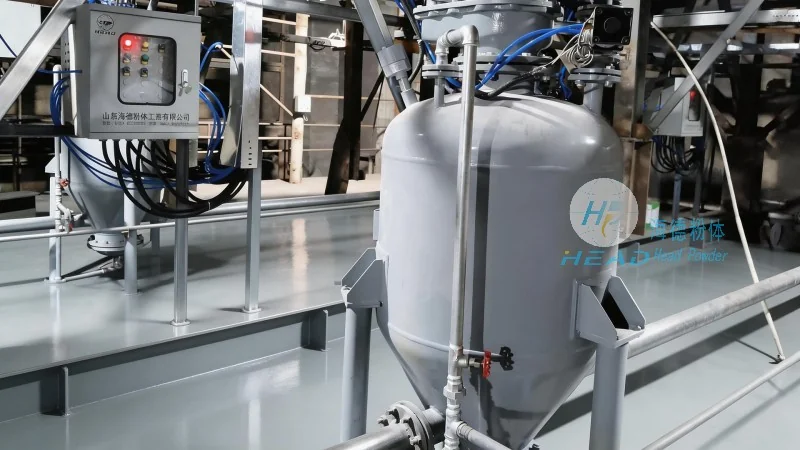
Benefits and Applications of Aluminum Dross Material Conveying Lines
Aluminum dross material conveying lines offer several benefits in the aluminum processing industry, including improved efficiency, reduced labor costs, and enhanced safety. By automating the material transport process, these systems eliminate the need for manual handling of dross, which is often heavy and hazardous. This reduces the risk of workplace injuries and improves overall safety in the processing facility. The efficient transport of dross also minimizes the time required for material transfer, allowing for faster processing cycles and increased productivity. Additionally, the consistent flow of dross into downstream processing units, such as dross treatment or recycling equipment, ensures that the processing operations run smoothly without interruptions. The use of advanced control systems and sensors in these lines enables real-time monitoring and adjustment, further enhancing operational efficiency and reducing downtime. Aluminum dross material conveying lines are widely used in various applications within the aluminum industry, including the transport of dross from melting furnaces to treatment facilities, the transfer of dross between different processing stages, and the movement of dross to storage or disposal areas. They are also used in recycling plants where dross is processed to recover aluminum and other valuable materials. The versatility of these systems allows them to be adapted to different processing requirements, making them a valuable asset in modern aluminum processing operations.
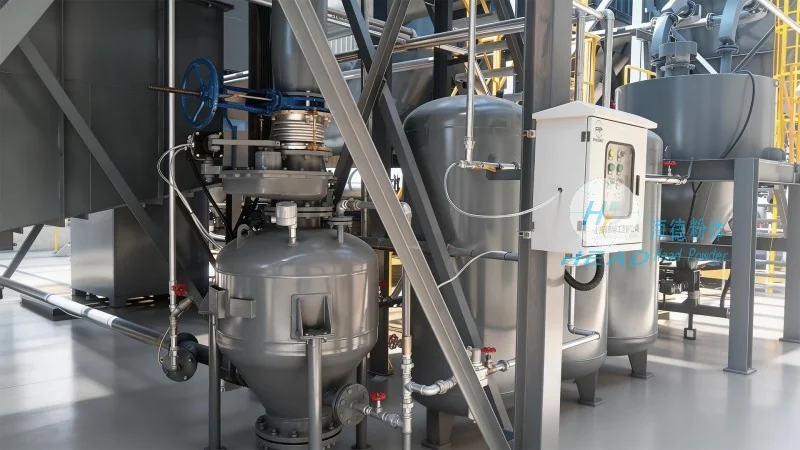
Maintenance and Troubleshooting for Aluminum Dross Conveying Lines
Maintenance and troubleshooting are crucial for ensuring the reliable operation of aluminum dross material conveying lines. Regular maintenance, including routine inspections, cleaning, and component replacement, is essential to prevent equipment failure and extend the lifespan of the system. The maintenance schedule should include daily checks of the conveyor belt tension, motor temperature, and control system functionality. Weekly inspections may involve checking for wear and tear on the conveyor components, such as the belt, idlers, and pulleys, and replacing any worn parts. Monthly or quarterly maintenance may include more comprehensive checks, such as cleaning the conveyor system, lubricating moving parts, and inspecting the control system for any software or hardware issues. In addition to routine maintenance, troubleshooting procedures are necessary to address any operational issues that may arise. Common issues in aluminum dross conveying lines include blockages, material buildup, and conveyor belt damage. Blockages can occur due to the abrasive nature of the dross or the presence of foreign objects, and may be caused by overloading the system or a malfunction in the feeder. To resolve blockages, the system may be stopped and the blockage cleared manually or using a mechanical device. Material buildup on the conveyor belt or screw can be prevented by regular cleaning and ensuring proper alignment of the components. Conveyor belt damage, such as wear or tears, may be caused by excessive tension, improper alignment, or the presence of sharp objects in the material. Regular inspections and timely replacement of worn components can prevent belt damage and ensure smooth operation. The control system may also provide diagnostic information, such as error codes or alerts, which can help identify the root cause of operational issues and guide the troubleshooting process. Proper maintenance and troubleshooting practices are essential to keep the aluminum dross material conveying lines operating efficiently and safely, minimizing downtime and maximizing productivity.
Conclusion
Aluminum dross material conveying lines are essential equipment in the aluminum processing industry, designed to efficiently transport aluminum dross from one location to another. The working principle of these lines involves the use of specialized components, including feeders, conveyors, and control systems, to move the dross along a designated path. The operation process includes preparation, start-up, continuous operation, and shutdown phases, with strict adherence to safety protocols. Key components, such as feeders, conveyors, and control systems, play critical roles in ensuring the reliable and efficient operation of the system. The benefits of these lines include improved efficiency, reduced labor costs, and enhanced safety. Regular maintenance and troubleshooting are necessary to keep the system operating at optimal levels. As the aluminum industry continues to evolve, the importance of efficient material handling systems like aluminum dross material conveying lines will only increase, making them a vital component of modern aluminum processing operations.