

Several Solutions for Magnesium Powder Pneumatic Conveying
When it comes to the efficient and safe transportation of magnesium powder, selecting the right pneumatic conveying system is crucial. The choice of system depends on various factors including the material characteristics, required throughput, and operational environment. This article explores several effective solutions for magnesium powder pneumatic conveying, highlighting the advantages and considerations of each approach.
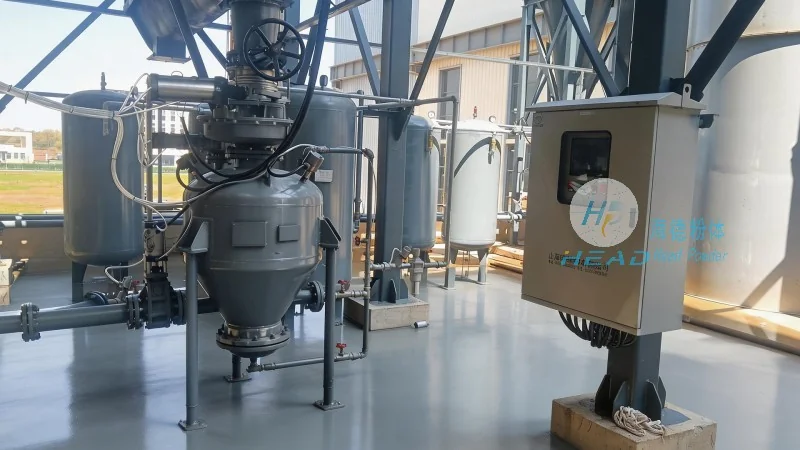
1. Dilute Phase Pneumatic Conveying
Dilute phase systems are commonly used for magnesium powder due to their ability to handle high volumes with minimal pressure drops. In this method, the powder is suspended in a high-velocity air stream, allowing it to be transported over long distances with relatively low energy consumption. The system typically operates at pressures ranging from 0.5 to 2 bar, making it suitable for applications where the powder needs to be moved quickly and efficiently. One of the key advantages of dilute phase conveying is its low maintenance requirements, as the system components are less prone to clogging compared to dense phase systems. However, it may not be ideal for very fine or cohesive powders that tend to settle quickly in the conveying line.
2. Dense Phase Pneumatic Conveying
For applications involving fine or cohesive magnesium powders, dense phase pneumatic conveying offers a more controlled and reliable method. In this approach, the powder is conveyed in a low-velocity air stream, often with a higher air-to-solid ratio, which helps maintain the powder's integrity and prevents degradation. The system operates at higher pressures, typically between 3 to 6 bar, and uses a pulse or positive displacement mechanism to move the material. Dense phase conveying is particularly effective for materials that are prone to bridging or caking, as it reduces the risk of blockages and ensures consistent flow. This method is often preferred in industries where product quality and process reliability are paramount, such as in pharmaceutical or food processing.
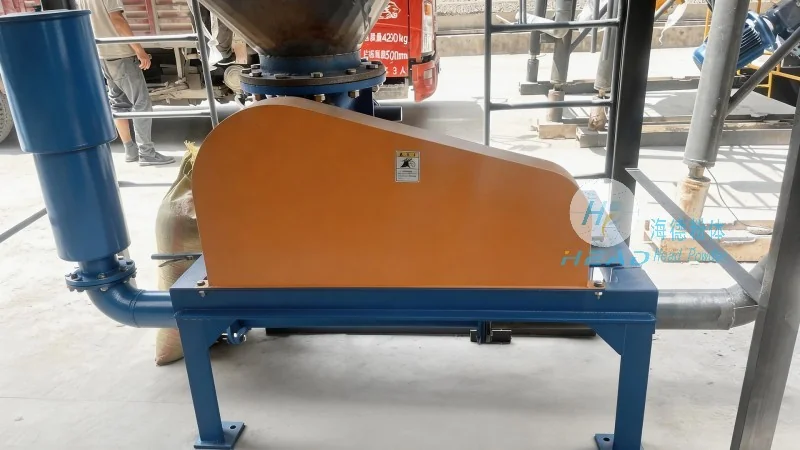
3. Hybrid Pneumatic Conveying Systems
Hybrid systems combine elements of both dilute and dense phase conveying to provide flexibility and adaptability. These systems can switch between different conveying modes based on the material being handled or the operational requirements. For instance, a hybrid system might use a dilute phase for initial transport and then switch to a dense phase for the final delivery to a storage silo. This approach allows for optimized energy use and reduced wear on system components. The hybrid design is particularly beneficial for facilities that process a variety of powder types, as it can accommodate different material characteristics without the need for multiple dedicated systems. By integrating both conveying principles, hybrid systems offer a balanced solution that addresses the limitations of each individual method.
4. Vacuum Pneumatic Conveying
Vacuum conveying is another viable option for magnesium powder transport, especially when the material needs to be moved from a lower to a higher elevation or when the source and destination are at different levels. This method uses a vacuum pump to create a negative pressure that draws the powder into the conveying line. Vacuum systems are generally lower in pressure compared to positive pressure systems, making them safer and more suitable for handling powders in enclosed environments. They are also effective for conveying powders from multiple source points to a single destination, as the vacuum can be applied at the collection point to pull material from various locations. However, vacuum systems may have lower throughput capabilities compared to positive pressure systems, and they require careful design to prevent air leaks and maintain the vacuum level throughout the conveying process.
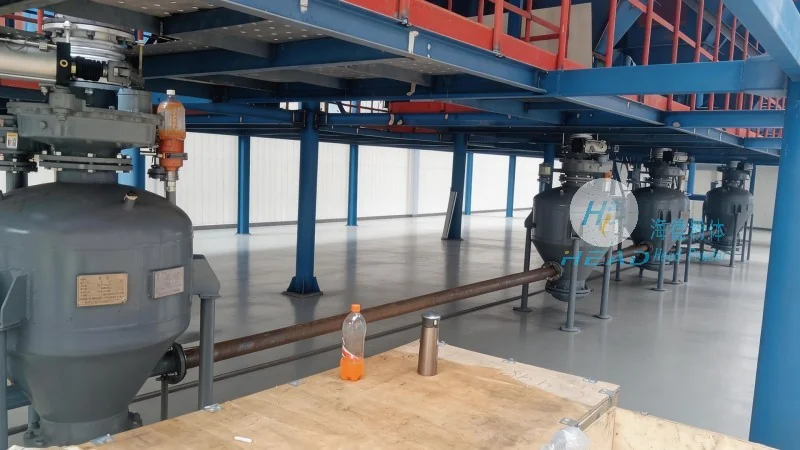
5. Considerations for Magnesium Powder Pneumatic Conveying
When selecting a pneumatic conveying system for magnesium powder, several factors must be considered to ensure optimal performance and safety. First, the particle size and flow properties of the magnesium powder are critical. Fine powders may require more energy to convey and are more susceptible to clogging, while larger particles can be handled more easily. The moisture content of the powder also plays a role, as moisture can cause agglomeration and affect the conveying efficiency. Additionally, the operating environment, including temperature and humidity, should be evaluated, as these factors can impact the material's behavior and the system's performance. Regular maintenance and cleaning of the conveying line are essential to prevent buildup and ensure consistent operation. By carefully assessing these factors and choosing the appropriate system, facilities can achieve efficient and reliable magnesium powder transportation.
6. Conclusion
Choosing the right pneumatic conveying solution for magnesium powder is essential for maintaining operational efficiency and product quality. Whether opting for dilute phase, dense phase, hybrid, or vacuum systems, each approach has its own advantages and limitations. Dilute phase systems are ideal for high-volume, low-pressure applications, while dense phase systems offer better control for fine or cohesive powders. Hybrid systems provide flexibility for diverse material handling needs, and vacuum systems are suitable for vertical or multi-source transport. By considering the specific requirements of the magnesium powder and the operational environment, companies can select the most effective conveying method. As a leading provider in the field, Shandong HeadPowder Engineering Co., Ltd. specializes in designing and implementing customized pneumatic conveying solutions tailored to the unique needs of their clients. With a focus on efficiency, safety, and reliability, HeadPowder ensures that magnesium powder is transported effectively, supporting the smooth operation of various industrial processes.