

Several Solutions for Pneumatic Conveying of Sand and Soil
Efficient material handling is a critical factor in many industrial processes, particularly when dealing with bulk materials like sand and soil. Pneumatic conveying systems offer a versatile and effective method for transporting these materials over short to medium distances. This article explores several key solutions for pneumatic conveying of sand and soil, highlighting the technical approaches and practical applications that can enhance operational efficiency and reliability.
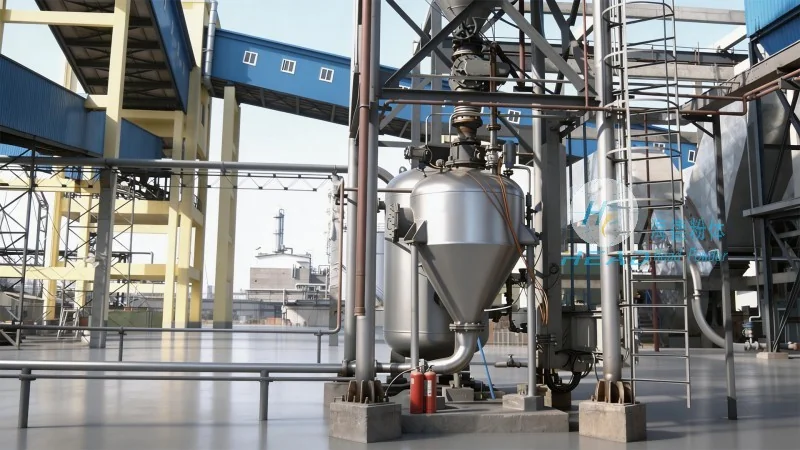
Understanding Pneumatic Conveying Systems
Pneumatic conveying involves the use of air or gas to transport solid materials through a pipeline. This method is particularly suitable for sand and soil due to its ability to handle abrasive and dusty materials without the need for mechanical components like belts or buckets. The primary advantage of pneumatic conveying is its flexibility in terms of system design, allowing for both low and high-pressure applications depending on the distance and material characteristics.
Key Solutions for Sand and Soil Conveying
There are several effective solutions for pneumatic conveying of sand and soil, each tailored to specific operational requirements. The most common approaches include dilute-phase and dense-phase conveying, which differ in the concentration of material in the air stream and the resulting pressure requirements.
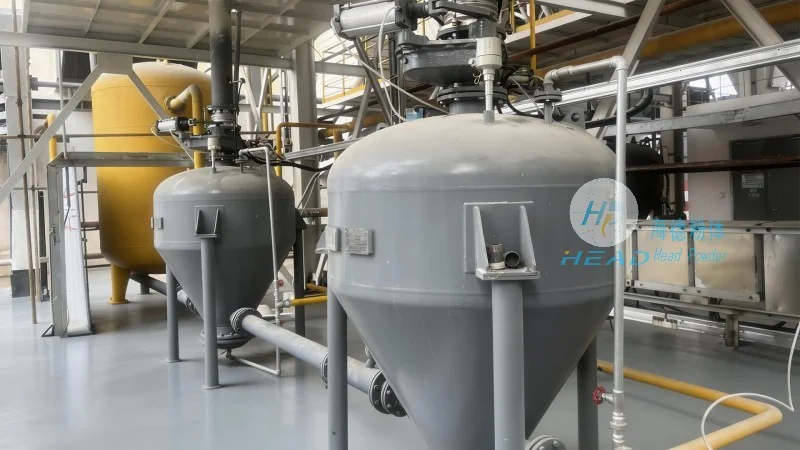
Dilute-Phase Pneumatic Conveying
Dilute-phase systems are ideal for short to medium conveying distances, typically up to 100 meters. In this method, the material is suspended in a high-velocity air stream, creating a low concentration of solids. This approach is cost-effective and requires less energy compared to dense-phase systems. However, it may not be suitable for long distances or when high material density is needed. The system typically uses a positive displacement blower or a high-pressure compressor to generate the necessary air flow.
Dense-Phase Pneumatic Conveying
Dense-phase systems are preferred for longer distances, often exceeding 100 meters, and for materials that are more sensitive to abrasion or require higher material density. In this method, the material is conveyed in a slurry-like state, with a higher concentration of solids in the air stream. This results in lower air velocities and reduced wear on the system components. Dense-phase conveying is particularly effective for handling fine powders and granular materials like sand and soil, ensuring minimal degradation and consistent flow.
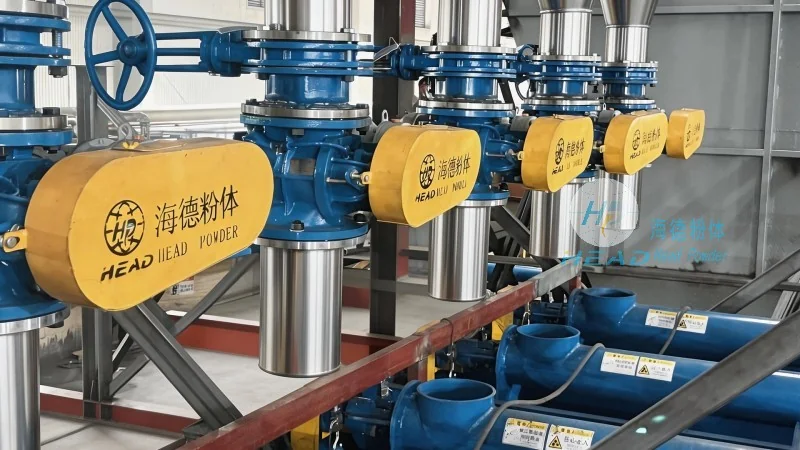
Advantages of Pneumatic Conveying for Sand and Soil
Implementing pneumatic conveying solutions for sand and soil offers numerous benefits. These include reduced labor costs due to automated material transport, improved safety by eliminating manual handling of bulk materials, and enhanced product quality by minimizing material contamination and degradation. Additionally, pneumatic systems can be integrated with other processing equipment, such as mixers and classifiers, to create a seamless material handling workflow.
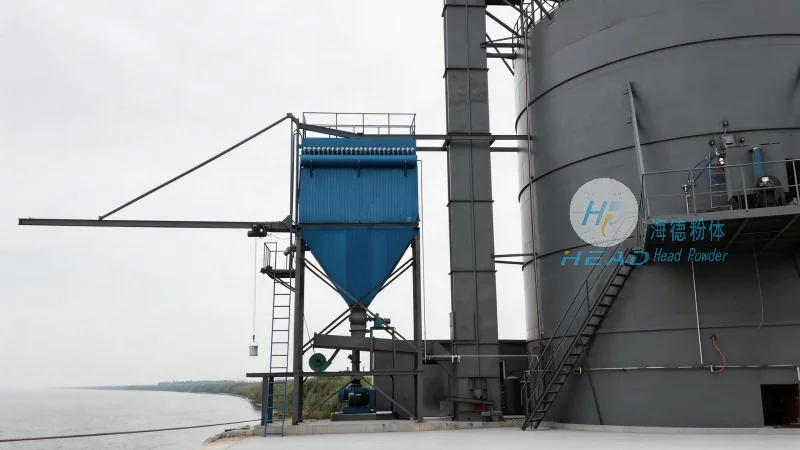
Customization and Integration
HeadPowder, a leading provider of engineering solutions, specializes in designing and manufacturing customized pneumatic conveying systems tailored to the specific needs of clients. With a focus on efficiency and reliability, HeadPowder's solutions are engineered to handle the unique challenges associated with sand and soil, including abrasive properties and varying particle sizes. The company's expertise in material handling technology ensures that clients receive systems that are optimized for their operational requirements, whether for short-distance transport or long-distance applications.
Conclusion
Pneumatic conveying offers a robust and efficient solution for the transport of sand and soil in various industrial applications. By understanding the different system types, such as dilute-phase and dense-phase conveying, and leveraging the expertise of companies like Shandong HeadPowder Engineering Co., Ltd., industries can enhance their material handling processes, improve productivity, and ensure the safe and reliable transport of bulk materials. The versatility and adaptability of pneumatic conveying systems make them a preferred choice for modern industrial operations, supporting the efficient movement of sand and soil from source to destination.