

Options for Air-Flow Conveying of Fermentation Curd
For the efficient and safe transportation of fermentation curd in the brewing industry, various air-flow conveying solutions have been developed. These systems are designed to handle the unique characteristics of fermentation curd, such as its moisture content, particle size, and handling requirements. The following sections outline several key approaches to air-flow conveying, highlighting their operational principles, advantages, and typical applications.
Introduction to Air-Flow Conveying Solutions
HeadPowder Engineering Co., Ltd., a leading provider of material handling solutions, specializes in the design and implementation of air-flow conveying systems tailored for the brewing sector. With operations based in Shandong, China, the company leverages advanced engineering and industry expertise to deliver customized solutions that meet the specific needs of breweries worldwide. The air-flow conveying of fermentation curd is a critical process that impacts production efficiency, product quality, and operational safety. By employing the right conveying method, breweries can optimize their material handling workflows and reduce downtime.
1. Positive Pressure Air-Flow Conveying System
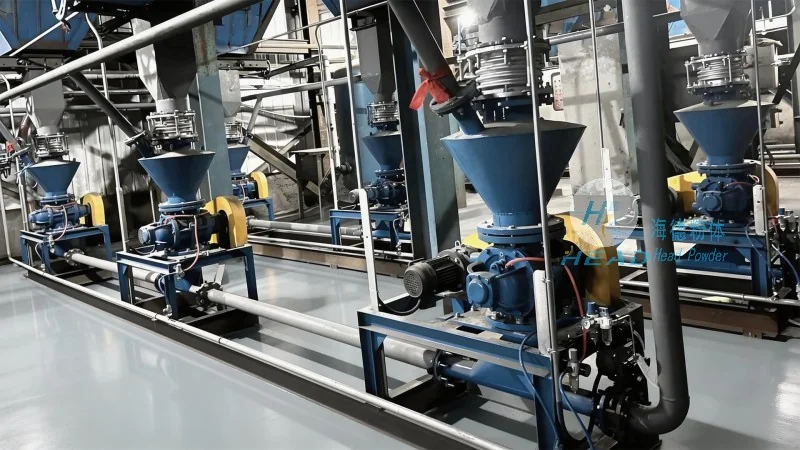
The positive pressure air-flow conveying system is a widely used method for transporting fermentation curd. In this system, air is supplied under pressure from a blower or compressor, creating a positive pressure environment within the conveying line. The fermentation curd is fed into the system via a hopper or feeder, and the pressurized air lifts and transports the material through the pipeline. This method is particularly effective for conveying materials over long distances or through complex layouts, as the positive pressure ensures consistent material flow and prevents backflow. The system typically includes components such as a rotary valve, a filter, and a silencer to control air pressure and maintain air quality. The positive pressure system is known for its high conveying capacity and ability to handle abrasive materials, making it suitable for large-scale breweries that require continuous material movement.
2. Negative Pressure Air-Flow Conveying System
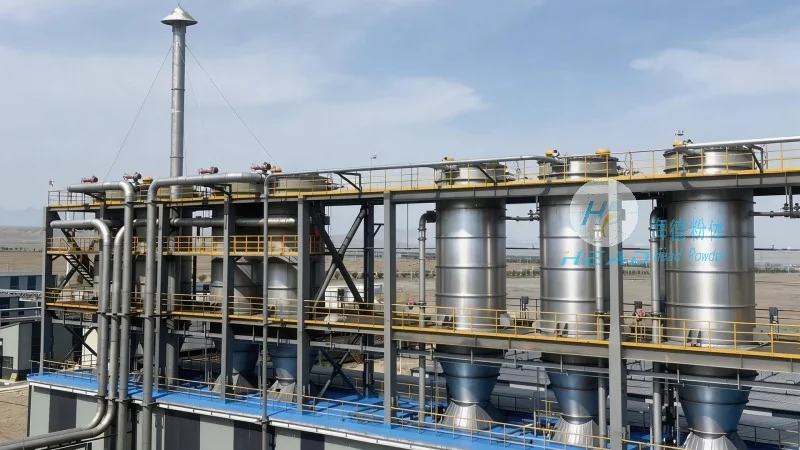
Conversely, the negative pressure air-flow conveying system operates by creating a vacuum within the conveying line. Air is drawn from the system using a vacuum pump, and the fermentation curd is drawn into the pipeline due to the pressure differential. This method is often preferred for applications where the material needs to be transported from a lower elevation to a higher one, or when the material is sensitive to pressure changes. The negative pressure system is particularly effective for conveying fine powders or materials that are prone to dust generation. The system includes components like a vacuum pump, a filter, and a dust collector to ensure efficient material transport and air filtration. Unlike the positive pressure system, the negative pressure system is generally more suitable for shorter conveying distances and less abrasive materials. However, it offers advantages in terms of lower energy consumption and reduced noise levels, making it a viable option for breweries with specific operational constraints.
3. Mixed Pressure Air-Flow Conveying System
A mixed pressure air-flow conveying system combines elements of both positive and negative pressure systems. This approach allows for greater flexibility in material handling, as it can adapt to varying conveying requirements. The system may use a combination of a blower for positive pressure and a vacuum pump for negative pressure, depending on the specific application. The mixed pressure system is particularly useful for complex conveying routes that involve both upward and downward movements, or for transporting materials with varying particle sizes and moisture content. The design of the mixed pressure system typically involves a control unit that adjusts the pressure levels based on real-time operational conditions. This adaptability makes the mixed pressure system a versatile solution for modern breweries that require high levels of operational efficiency and flexibility.
4. Key Considerations for Air-Flow Conveying of Fermentation Curd
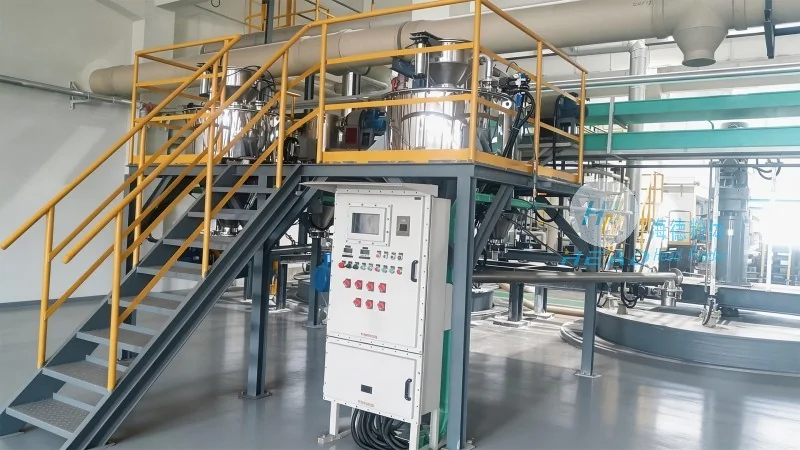
When selecting an air-flow conveying system for fermentation curd, several factors must be considered to ensure optimal performance and reliability. First, the moisture content of the fermentation curd is a critical parameter, as high moisture levels can affect the material's flowability and the system's efficiency. The system must be designed to handle the specific moisture content and prevent clogging or blockages. Second, the particle size distribution of the fermentation curd is important, as larger particles may require higher air velocities to maintain consistent flow. The system's components, such as the feeder and filter, must be sized appropriately to accommodate the particle size range. Third, the material's abrasiveness and potential for dust generation must be addressed. The use of wear-resistant materials for the conveying line and the incorporation of dust collection systems are essential to minimize wear and maintain air quality. Finally, the system's energy efficiency and operational costs must be evaluated. Modern air-flow conveying systems often incorporate energy-saving features, such as variable speed drives and optimized air flow control, to reduce energy consumption and operating costs.
Conclusion
HeadPowder Engineering Co., Ltd. offers a range of air-flow conveying solutions tailored to the unique needs of breweries. By understanding the operational requirements and material characteristics of fermentation curd, the company can design and implement customized systems that enhance production efficiency, improve product quality, and ensure operational safety. Whether using a positive pressure, negative pressure, or mixed pressure system, the key is to select the right approach based on the specific conveying requirements and operational constraints. With its expertise and commitment to quality, HeadPowder Engineering Co., Ltd. continues to provide reliable and efficient air-flow conveying solutions for the brewing industry, helping breweries around the world optimize their material handling processes and achieve their production goals.