

Several Solutions for Fish Meal Pneumatic Conveying
When it comes to efficiently transporting fish meal, selecting the right pneumatic conveying system is crucial for optimizing operational performance and maintaining product quality. Shandong HeadPowder Engineering Co., Ltd., a leading provider in the field, offers several specialized solutions tailored to meet diverse industrial needs. This article explores the key approaches and considerations for effective fish meal pneumatic conveying.
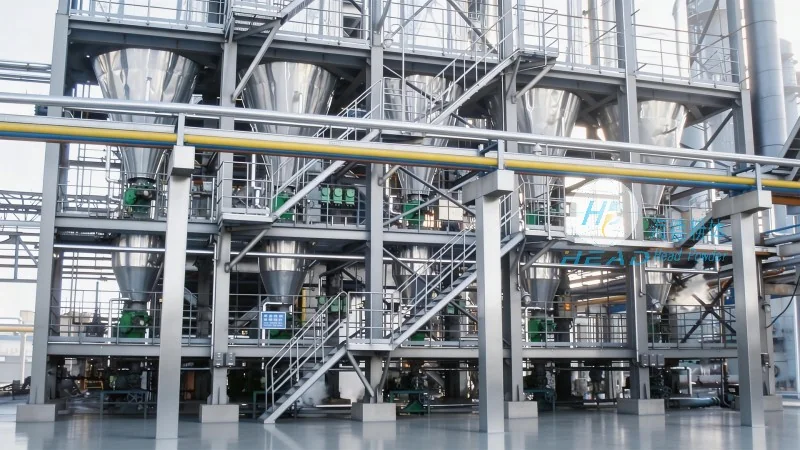
Key Factors Influencing Pneumatic Conveying System Selection
The choice of a pneumatic conveying system for fish meal depends on multiple factors, including the material's bulk density, flow rate requirements, and the distance over which the material needs to be transported. For fish meal, which is typically a fine powder with specific handling characteristics, the system must be designed to prevent caking, agglomeration, and degradation. Shandong HeadPowder Engineering Co., Ltd. considers these variables to recommend the most suitable technology, ensuring that the conveying process is both efficient and gentle on the product.
Solution 1: Dilute Phase Pneumatic Conveying
Dilute phase pneumatic conveying is a common method for transporting fish meal, especially over short to medium distances. This system uses a high-velocity air stream to move the material through a pipeline. The air velocity is maintained above the material's terminal velocity, ensuring that the fish meal particles remain suspended and move smoothly. Shandong HeadPowder Engineering Co., Ltd. designs dilute phase systems with optimized air flow rates and pipeline diameters to minimize pressure drop and energy consumption. This approach is ideal for applications where the conveying distance is relatively short, and the material flow rate is moderate.
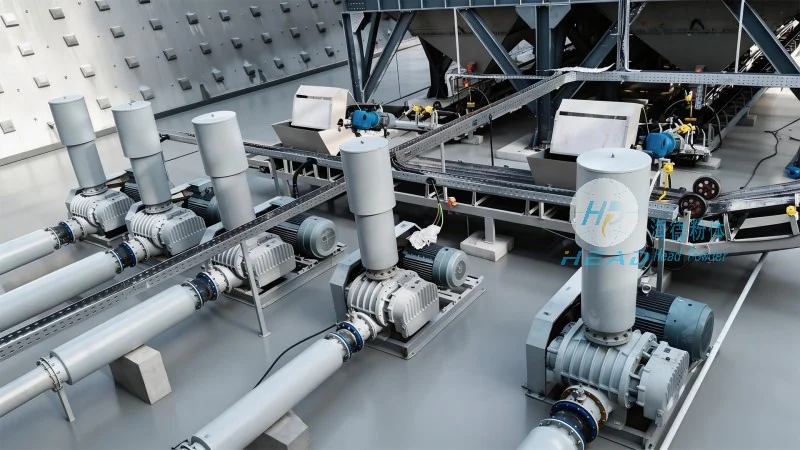
Solution 2: Dense Phase Pneumatic Conveying
For longer conveying distances or when handling larger quantities of fish meal, dense phase pneumatic conveying may be more appropriate. This method involves a lower air velocity, which allows the fish meal particles to form a dense, slug-like flow within the pipeline. The system uses a series of pulses or a controlled air pressure to move the material in discrete segments. Shandong HeadPowder Engineering Co., Ltd. implements dense phase systems with precise control of air pressure and flow, ensuring that the fish meal is conveyed without excessive wear on the equipment and with minimal product degradation. This solution is particularly effective for applications requiring reliable, high-volume transport over extended distances.
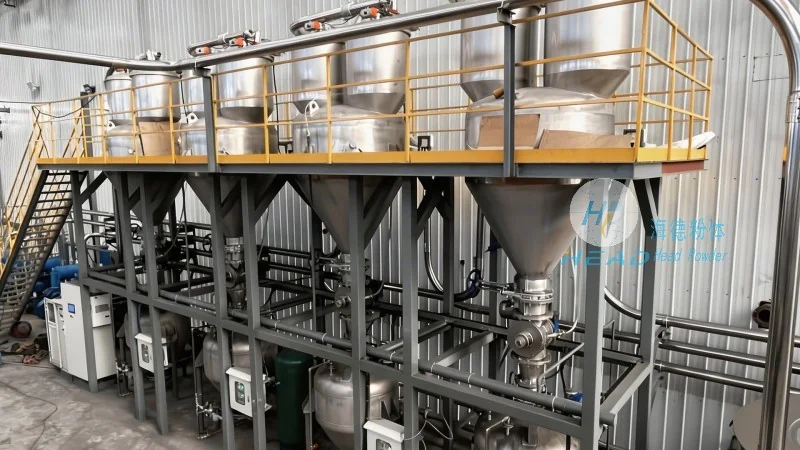
Solution 3: Hybrid Pneumatic Conveying Systems
In some cases, a hybrid approach combining both dilute and dense phase technologies may be the most effective solution for fish meal pneumatic conveying. Shandong HeadPowder Engineering Co., Ltd. offers customized hybrid systems that can switch between dilute and dense phase modes based on the operational requirements. For example, a system might use dilute phase for the initial transport segment and then transition to dense phase for the final delivery stage. This flexibility allows for optimized energy use and reduced wear on the conveying equipment. The hybrid approach is particularly useful when dealing with varying flow rates or when the conveying distance includes both short and long sections.
Benefits of Professional Pneumatic Conveying Solutions from Shandong HeadPowder Engineering Co., Ltd.
Implementing a well-designed pneumatic conveying system for fish meal offers numerous benefits. First, it enhances operational efficiency by reducing downtime and improving throughput. Second, it maintains product quality by minimizing exposure to air, moisture, and mechanical stress. Third, it lowers energy consumption compared to traditional mechanical conveying methods. Shandong HeadPowder Engineering Co., Ltd. specializes in providing tailored solutions that address these benefits, ensuring that clients achieve optimal performance and cost-effectiveness. The company's expertise in fish meal handling and pneumatic conveying technology enables them to deliver systems that are both reliable and sustainable.