

Several Solutions for the Pneumatic Conveying of Calcium Fluoride
For industrial applications involving the transport of calcium fluoride, selecting the appropriate pneumatic conveying system is crucial for efficiency, safety, and operational reliability. Shandong HeadPowder Engineering Co., Ltd., a leading provider in the field, offers several effective solutions tailored to different operational requirements and material characteristics. This article outlines key approaches to calcium fluoride pneumatic conveying, emphasizing practical considerations and technical advantages.
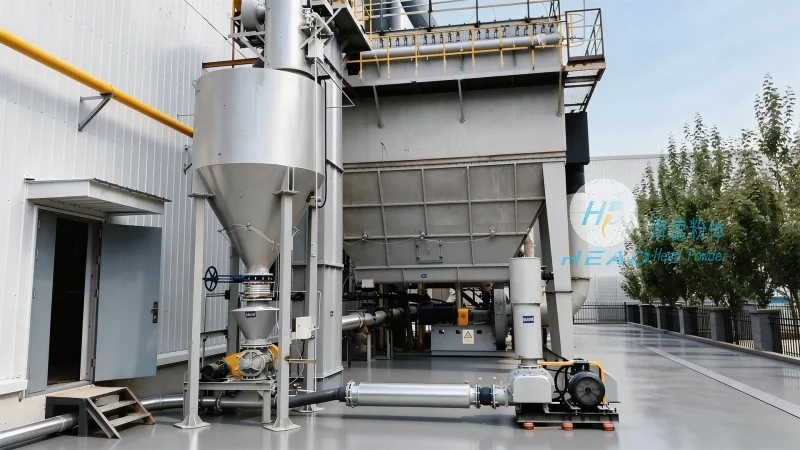
Understanding Pneumatic Conveying Systems for Calcium Fluoride
Calcium fluoride, commonly known as fluorspar, is a mineral used in various industries, including metallurgy, glass manufacturing, and chemical production. Its handling requires specialized equipment due to its abrasive properties and potential dust generation. Pneumatic conveying systems offer a non-contact method to transport bulk materials like calcium fluoride, reducing wear on equipment and minimizing contamination risks. The choice of system depends on factors such as material flow rate, distance, and environmental regulations.
Option 1: Positive Pressure Pneumatic Conveying
Positive pressure systems utilize a blower or fan to generate air pressure that pushes material through a pipeline. This method is ideal for applications requiring high flow rates and long-distance transport. In the context of calcium fluoride, positive pressure systems can handle abrasive materials effectively, as the air flow maintains consistent particle velocity, preventing clogging. The system typically includes a hopper, feeder, and pipeline with appropriate air pressure control. Shandong HeadPowder Engineering Co., Ltd. designs positive pressure systems with robust components to withstand the abrasive nature of calcium fluoride, ensuring long-term operational efficiency.
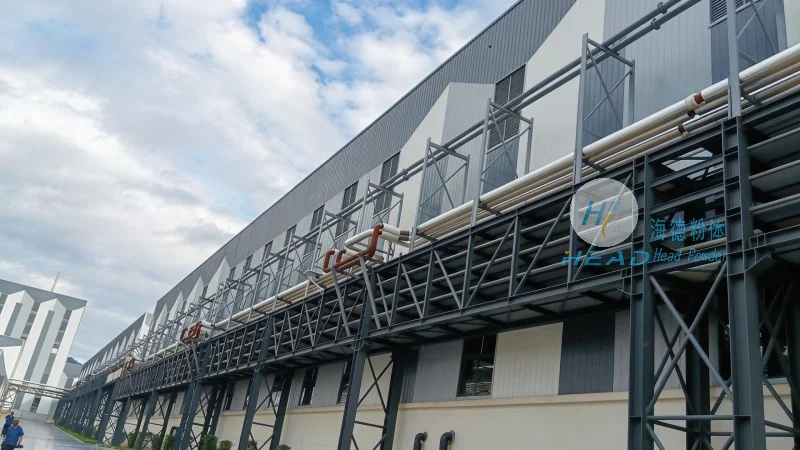
Option 2: Negative Pressure (Vacuum) Pneumatic Conveying
Negative pressure systems use a vacuum pump to create a low-pressure environment that draws material from a source into a pipeline. This approach is suitable for short to medium distances and applications where material is generated at the source, such as in a crusher or mill. For calcium fluoride, vacuum systems are effective for handling fine powders, as the vacuum helps maintain particle suspension and reduces dust dispersion. The system includes a vacuum pump, hopper, and collection tank. Shandong HeadPowder Engineering Co., Ltd. implements vacuum systems with advanced filtration to control dust emissions, aligning with environmental standards.
Option 3: Hybrid (Mixed) Pneumatic Conveying
Hybrid systems combine elements of both positive and negative pressure, offering flexibility for varied operational needs. These systems are particularly useful when transporting calcium fluoride over mixed distances or when integrating with existing equipment. The hybrid approach allows for adjustable air pressure and flow rates, optimizing material transport based on real-time conditions. Shandong HeadPowder Engineering Co., Ltd. develops hybrid solutions that adapt to changing process requirements, ensuring consistent performance and minimal downtime.
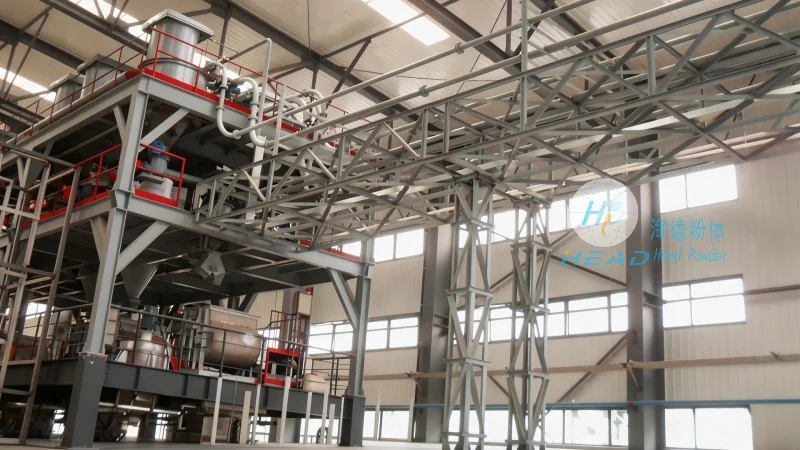
Key Considerations for Choosing a System
When selecting a pneumatic conveying system for calcium fluoride, several factors must be evaluated. Material characteristics, such as particle size, density, and moisture content, influence the system's design. For example, fine calcium fluoride powders may require higher air velocities to prevent settling. Additionally, the distance and layout of the conveying line affect the choice between positive and negative pressure systems. Positive pressure is preferred for long distances, while vacuum systems are better for shorter runs. Energy consumption and maintenance costs are also critical considerations, as they impact the overall operational efficiency of the system.
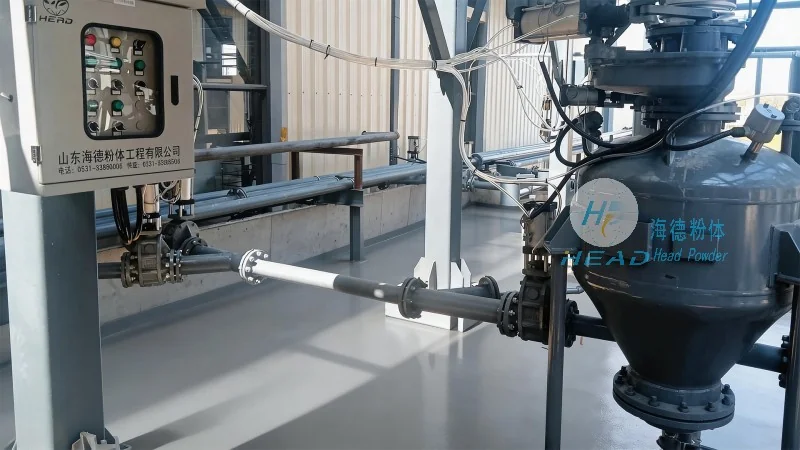
Benefits of Professional Engineering Solutions
Shandong HeadPowder Engineering Co., Ltd. provides comprehensive engineering services to design and implement pneumatic conveying systems tailored to specific calcium fluoride handling needs. Their expertise includes material testing, system sizing, and integration with existing industrial processes. By leveraging advanced technology and industry best practices, the company ensures that the chosen system maximizes efficiency, minimizes downtime, and adheres to safety and environmental regulations. Clients benefit from customized solutions that address unique challenges, such as handling abrasive materials or meeting strict emission standards.
Conclusion
Choosing the right pneumatic conveying system for calcium fluoride is essential for optimizing industrial operations. Whether opting for positive pressure, negative pressure, or hybrid systems, Shandong HeadPowder Engineering Co., Ltd. offers reliable and efficient solutions that cater to diverse application requirements. By prioritizing material characteristics, operational distances, and environmental considerations, businesses can enhance productivity and ensure safe handling of calcium fluoride. The company's commitment to quality and innovation makes it a trusted partner for pneumatic conveying solutions in the calcium fluoride industry.