

Several Solutions for Lithium Oxide Pneumatic Conveying
When it comes to the efficient and safe handling of lithium oxide, pneumatic conveying systems offer a range of effective solutions. As a leading provider in the field, Shandong HeadPowder Engineering Co., Ltd. specializes in developing tailored pneumatic conveying systems that meet the specific needs of various industrial applications. This article explores several key approaches to lithium oxide pneumatic conveying, highlighting the technical considerations and practical implementations.
Understanding Pneumatic Conveying Principles
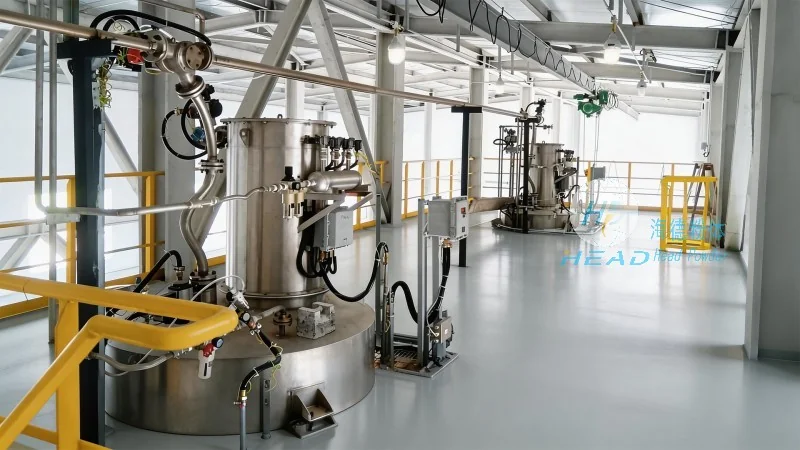
Pneumatic conveying involves the transportation of bulk materials, such as lithium oxide, using a stream of air or gas. The process can be categorized into two main types: pressure and vacuum systems. Pressure systems use compressed air to push material through a pipeline, while vacuum systems create a negative pressure to draw material from a source. Each type has its advantages and is suitable for different operational conditions. For lithium oxide, which is often a fine powder with potential dust explosion risks, selecting the right conveying method is crucial for both safety and efficiency.
Solution 1: Dilute Phase Pneumatic Conveying
Dilute phase pneumatic conveying is a common method for transporting lithium oxide, especially over moderate distances. This approach uses high-velocity air to suspend the powder particles in the air stream. The system typically includes a feeding device, a conveying line, and a collection hopper. The key advantages of dilute phase conveying include its ability to handle long distances, relatively low equipment cost, and suitability for low to medium material flow rates. However, it may require higher air volumes and can be less efficient for very fine powders, which tend to settle quickly in the pipeline. The system's design must consider factors like particle size distribution, moisture content, and the risk of dust accumulation in the conveying line.
Solution 2: Dense Phase Pneumatic Conveying
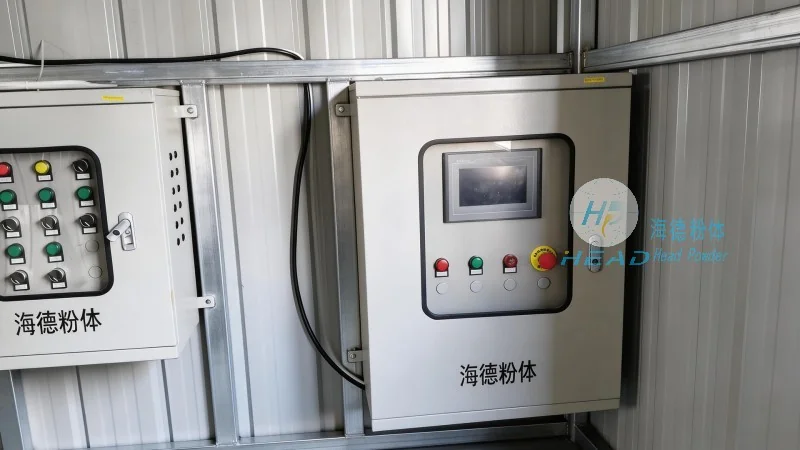
Dense phase pneumatic conveying is another effective solution, particularly when transporting lithium oxide over longer distances or when the material is prone to bridging or caking. This method operates at lower air velocities, causing the powder to form a dense slug or plug within the pipeline. The reduced velocity minimizes particle attrition and prevents material degradation, making it ideal for sensitive materials like lithium oxide. Dense phase systems often use pulse or rotary valves to control the flow and maintain a consistent plug formation. The primary benefits include higher material transport efficiency, reduced air consumption, and improved control over the conveying process. However, dense phase conveying may require more complex equipment and higher initial investment compared to dilute phase systems.
Solution 3: Hybrid Pneumatic Conveying Systems
For applications that demand flexibility and the ability to handle varying material characteristics, hybrid pneumatic conveying systems combine elements of both dilute and dense phase methods. These systems can switch between different conveying modes based on operational requirements. For instance, a hybrid system might use dilute phase for short-distance transport and dense phase for longer segments where material stability is critical. This approach allows for optimized energy use and material handling efficiency. The design of hybrid systems requires careful consideration of control logic, valve selection, and pipeline configuration to ensure smooth transitions between modes. They are particularly useful in facilities where lithium oxide is processed in stages, requiring different conveying characteristics at different points in the production line.
Key Considerations for Lithium Oxide Pneumatic Conveying
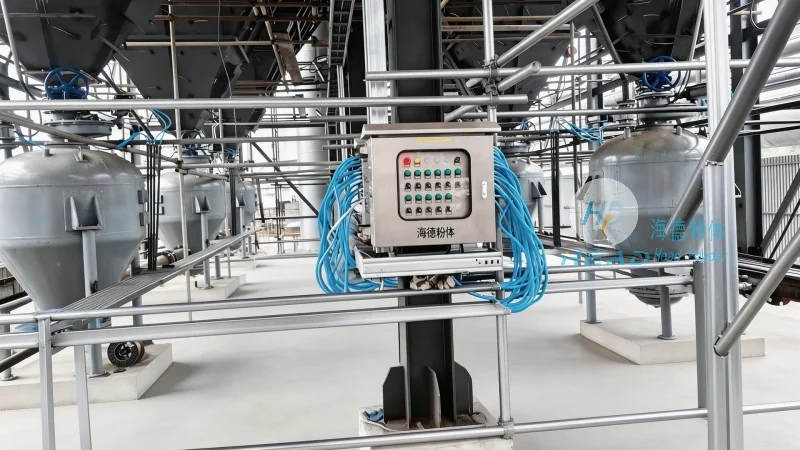
Implementing an effective pneumatic conveying system for lithium oxide involves several critical considerations. First, material properties such as particle size, density, and moisture content significantly impact system performance. Lithium oxide is often a fine powder, which can lead to issues like dust explosion hazards if not properly controlled. Therefore, explosion-proof designs and dust suppression measures are essential. Second, the system must be designed to minimize material degradation, as lithium oxide is sensitive to attrition and moisture. This includes using appropriate materials for pipeline and equipment components, such as stainless steel or special coatings. Third, safety is paramount due to the potential for dust explosions. Proper ventilation, explosion relief valves, and regular maintenance are critical to ensure safe operation. Additionally, the system should be scalable to accommodate future production increases or changes in material handling requirements.
Customization and Integration by Shandong HeadPowder Engineering Co., Ltd.
Shandong HeadPowder Engineering Co., Ltd. specializes in providing customized pneumatic conveying solutions tailored to the unique needs of each client. The company's expertise lies in designing systems that balance efficiency, safety, and cost-effectiveness. By leveraging advanced engineering and material science knowledge, HeadPowder engineers develop solutions that address specific challenges such as material flow control, pipeline maintenance, and environmental compliance. The company's approach involves thorough site assessments, material testing, and collaborative design with clients to ensure the final system meets all operational and safety standards. Whether a client requires a new system installation or an upgrade to an existing one, HeadPowder offers comprehensive services including system design, equipment supply, installation, and commissioning. The company's commitment to quality and customer satisfaction has made it a trusted partner in the lithium oxide handling industry.