

Several Solutions for Gypsum and Fly Ash Pneumatic Conveying
Efficient material handling is a critical aspect of industrial operations, particularly when dealing with bulk materials like gypsum and fly ash. Pneumatic conveying systems offer a reliable and flexible solution for transporting these materials over short to medium distances. This article explores several effective solutions for gypsum and fly ash pneumatic conveying, highlighting the key considerations and technologies involved.
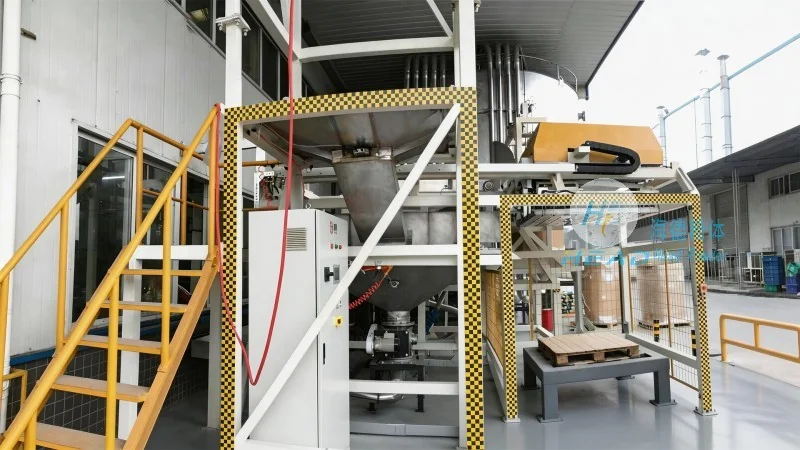
Understanding the Core Requirements for Gypsum and Fly Ash Conveying
Before delving into specific solutions, it's essential to understand the unique properties of gypsum and fly ash that influence the design of pneumatic conveying systems. Gypsum, a calcium sulfate mineral, is often used in construction and industrial applications, while fly ash is a byproduct of coal combustion, commonly utilized as a supplementary cementitious material. Both materials present challenges such as varying particle sizes, moisture content, and abrasive characteristics, which must be addressed to ensure system efficiency and longevity.
Key Factors Influencing Pneumatic Conveying System Selection
The choice of a pneumatic conveying system depends on several factors, including the material's physical properties, the distance and elevation changes, and the required flow rate. For gypsum and fly ash, common system types include positive pressure, negative pressure, and hybrid systems. Positive pressure systems, where air is blown into the material, are often preferred for their ability to handle abrasive materials and maintain consistent flow. Negative pressure systems, on the other hand, are suitable for applications where dust control is a priority, as they draw material into the system while keeping the environment clean.
Solution 1: Positive Pressure Dilute Phase Conveying
Positive pressure dilute phase conveying is a widely used method for transporting gypsum and fly ash over moderate distances. In this system, air is introduced into the material at a high velocity, creating a dilute mixture of particles and air. The material is then carried through the pipeline by the air stream. This approach is particularly effective for materials with low to moderate moisture content and particle sizes, as it minimizes blockages and ensures smooth flow. The system typically includes a blower, a feed hopper, and a pipeline network, with the material being discharged at the end of the line. The design of the blower and pipeline diameter is critical to achieving optimal performance, as it directly impacts the system's capacity and energy efficiency.
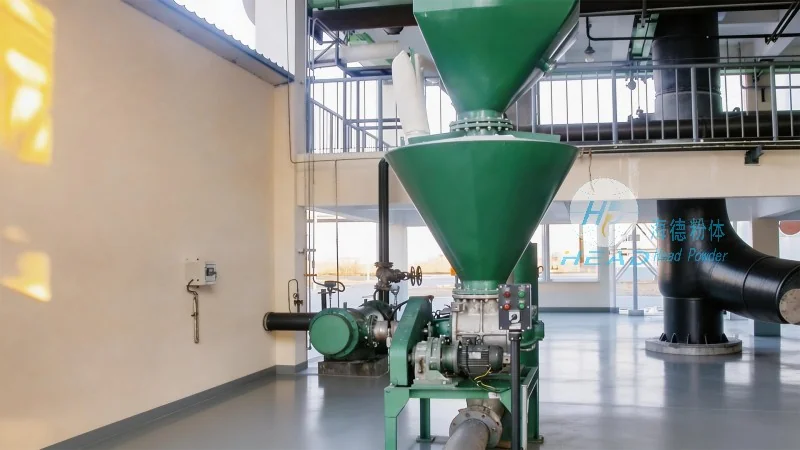
Solution 2: Positive Pressure Dense Phase Conveying
For applications requiring higher material density and reduced velocity, positive pressure dense phase conveying is an excellent choice. Unlike dilute phase systems, dense phase conveying uses a lower air-to-material ratio, resulting in a more concentrated mixture. This method is ideal for transporting materials with higher moisture content or larger particle sizes, as it reduces the risk of material degradation and pipeline wear. The system operates by injecting air in short bursts, creating a series of "puffs" that move the material through the pipeline. This approach provides better control over the material's velocity and reduces the likelihood of blockages, making it suitable for sensitive materials like gypsum and fly ash.
Solution 3: Hybrid Pneumatic Conveying Systems
Hybrid systems combine elements of both positive and negative pressure systems, offering flexibility and enhanced performance. These systems are particularly useful for complex conveying routes, where changes in elevation or direction require different handling approaches. For example, a hybrid system might use positive pressure for the initial transport segment and negative pressure for the final delivery to a processing unit. This approach allows for efficient material handling while maintaining dust control and minimizing energy consumption. The design of hybrid systems involves careful integration of components, such as blowers, filters, and control valves, to ensure seamless operation and optimal performance.
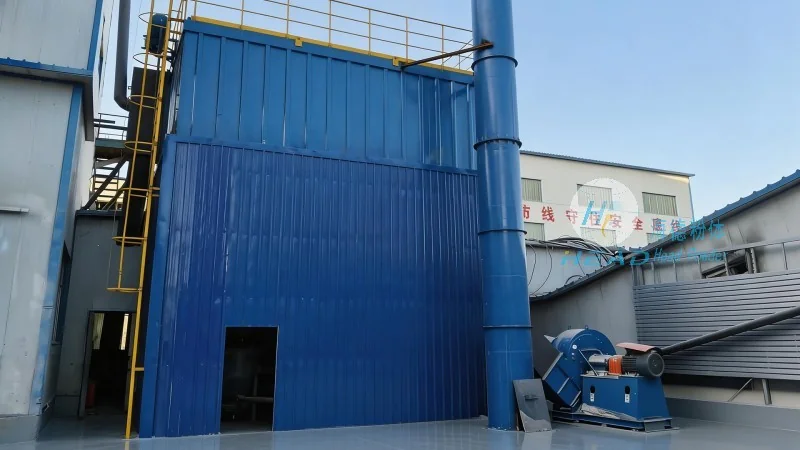
System Components and Design Considerations
Regardless of the chosen system type, several key components are essential for successful gypsum and fly ash pneumatic conveying. These include feeders, which ensure consistent material flow into the system; filters, which remove dust and prevent system blockages; and pipeline materials, which must be resistant to corrosion and abrasion. The selection of these components is critical, as they directly impact the system's reliability and maintenance requirements. For instance, using high-quality stainless steel or special alloys for pipelines can extend the system's lifespan, especially when dealing with abrasive fly ash. Additionally, proper maintenance, such as regular cleaning of filters and checking blower performance, is essential to maintain system efficiency and prevent downtime.
Case Study: Implementation by Shandong HeadPowder Engineering Co., Ltd.
Shandong HeadPowder Engineering Co., Ltd., a leading provider of material handling solutions, has successfully implemented various pneumatic conveying systems for clients dealing with gypsum and fly ash. One notable project involved the design and installation of a positive pressure dilute phase system for a gypsum processing plant in China. The system was tailored to handle the plant's specific material characteristics, including particle size distribution and moisture content. By optimizing the blower capacity and pipeline diameter, the system achieved a flow rate of 10 tons per hour, meeting the client's production requirements while maintaining energy efficiency. The project demonstrated the effectiveness of positive pressure systems in handling bulk materials and highlighted the importance of customizing solutions to meet specific operational needs.
Conclusion and Recommendations
Choosing the right pneumatic conveying solution for gypsum and fly ash is crucial for optimizing industrial operations and ensuring material handling efficiency. Whether using positive pressure dilute or dense phase systems, or hybrid approaches, careful consideration of material properties, system requirements, and operational constraints is essential. For businesses seeking reliable and efficient material handling solutions, Shandong HeadPowder Engineering Co., Ltd. offers expert design, installation, and maintenance services tailored to meet the unique needs of each project. By leveraging their experience and advanced technology, companies can enhance their material handling processes, reduce costs, and improve overall operational performance.