

Introduction to White Flour Pneumatic Conveying Systems: Structure and Working Principles
White flour pneumatic conveying systems are essential equipment in the food processing industry, designed to efficiently transport white flour and other fine powders from one location to another. These systems utilize air pressure or vacuum to move materials, offering a clean and hygienic method compared to traditional mechanical conveyors. The structure and working principles of such systems are crucial for understanding their functionality and ensuring optimal performance in production lines.
Key Components of White Flour Pneumatic Conveying Systems
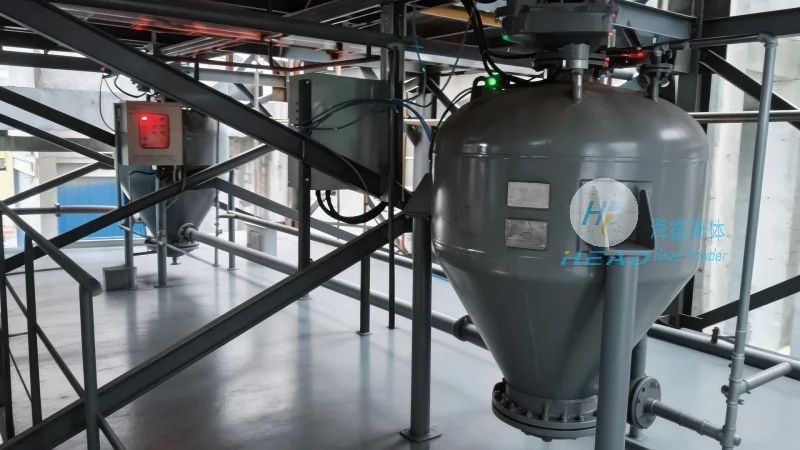
The core components of a white flour pneumatic conveying system typically include a hopper for material storage, a conveyor line (either pressure or vacuum type), a separator to remove air from the material stream, and a discharge outlet. The hopper is designed with smooth, non-stick surfaces to prevent flour buildup and ensure easy cleaning. The conveyor line may be a pipeline system that uses compressed air to push the flour forward in pressure systems, or a vacuum system that pulls the flour through the pipe. The separator, often a cyclone or bag filter, helps to separate the flour from the air, ensuring that the product remains clean and free from contaminants. The discharge outlet is where the flour is released into the next stage of processing or packaging.
Working Principles of Pneumatic Conveying Systems
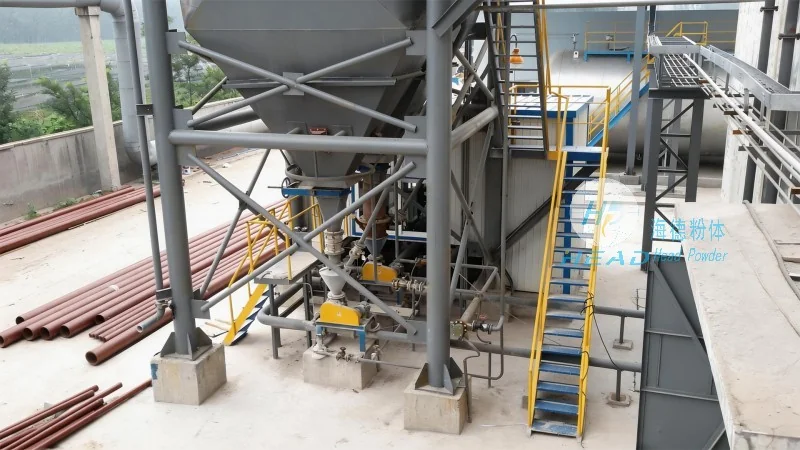
In pressure pneumatic conveying systems, compressed air is introduced into the hopper, creating a pressure differential that forces the flour through the pipeline. The air and flour mixture travels at high velocity, maintaining the material in suspension. As the mixture moves through the system, the separator removes the air, allowing the flour to be collected in a clean container. Vacuum systems operate by creating a vacuum in the pipeline, which draws the flour from the hopper and pulls it through the line. Both systems rely on the principles of fluid dynamics and particle movement to ensure efficient transport.
Advantages of Using Pneumatic Conveying for White Flour
White flour pneumatic conveying systems offer several advantages over traditional methods. Firstly, they provide a hygienic and dust-free environment, which is critical for food products that require strict quality control. The enclosed system prevents flour from coming into contact with contaminants, reducing the risk of spoilage or contamination. Secondly, these systems are highly efficient, capable of transporting large volumes of flour over long distances with minimal energy consumption. The smooth, continuous flow of material reduces downtime and increases production throughput. Additionally, pneumatic conveying systems are flexible, allowing for easy integration into existing production lines and adaptation to different processing requirements.
About Shandong HeadPowder Engineering Co., Ltd.
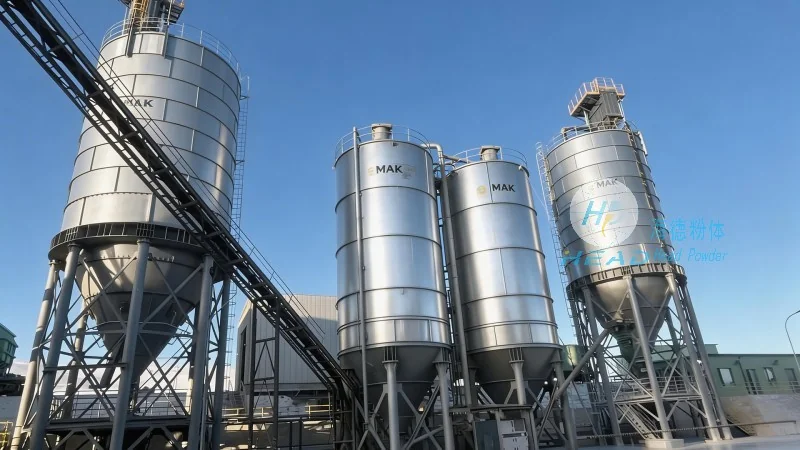
Headpowder, the brand under Shandong HeadPowder Engineering Co., Ltd., specializes in the design, manufacturing, and installation of pneumatic conveying systems tailored for the food industry. With a focus on white flour applications, the company leverages advanced engineering and manufacturing processes to deliver high-quality, reliable equipment. Headpowder's systems are built with materials that meet food safety standards, ensuring compliance with industry regulations. The company's expertise in pneumatic technology allows for customized solutions that meet the specific needs of clients, from small-scale operations to large industrial facilities. Headpowder's commitment to quality and customer satisfaction has established it as a trusted partner in the food processing sector, providing durable and efficient conveying solutions that enhance production efficiency and product quality.