

Several Solutions for Sawdust and Husk Pneumatic Conveying
For industries dealing with bulk materials like sawdust and husk, efficient material handling is crucial. Pneumatic conveying systems offer a reliable method to transport these materials over short to medium distances. This article explores several effective solutions for pneumatic conveying of sawdust and husk, highlighting the technical approaches and considerations for optimal performance.
Understanding Pneumatic Conveying Systems
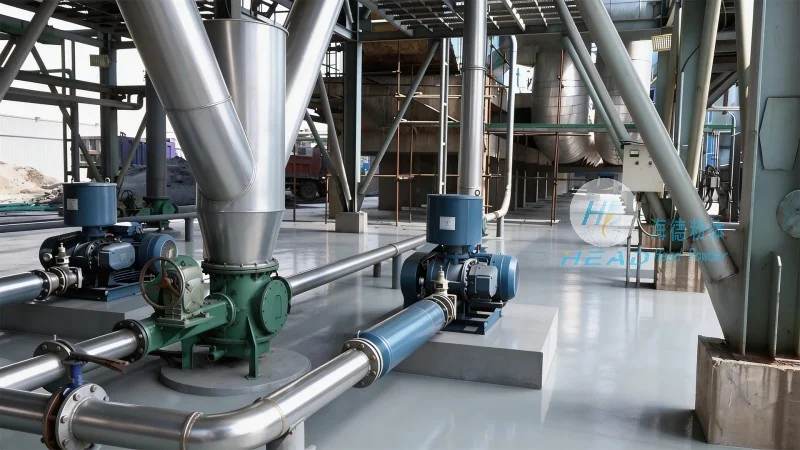
Pneumatic conveying systems utilize air or gas to transport solid materials through a pipeline. These systems are particularly suitable for sawdust and husk due to their light weight and dusty nature. The primary goal is to achieve efficient, low-cost, and dust-free material transport. There are two main types of pneumatic conveying: pressure and vacuum systems. Each has its advantages and is chosen based on the specific application requirements.
Key Considerations for Sawdust and Husk Conveying
When designing a pneumatic conveying system for sawdust or husk, several factors must be considered. The material's bulk density, particle size distribution, and moisture content are critical. Sawdust and husk can vary significantly in these properties, affecting the system's design. Additionally, the distance and elevation change between the source and destination points influence the system's configuration. Proper material handling also requires considering the potential for dust generation and the need for filtration systems to maintain air quality and comply with environmental regulations.
Solution 1: Positive Pressure Conveying with a Screw Feeder
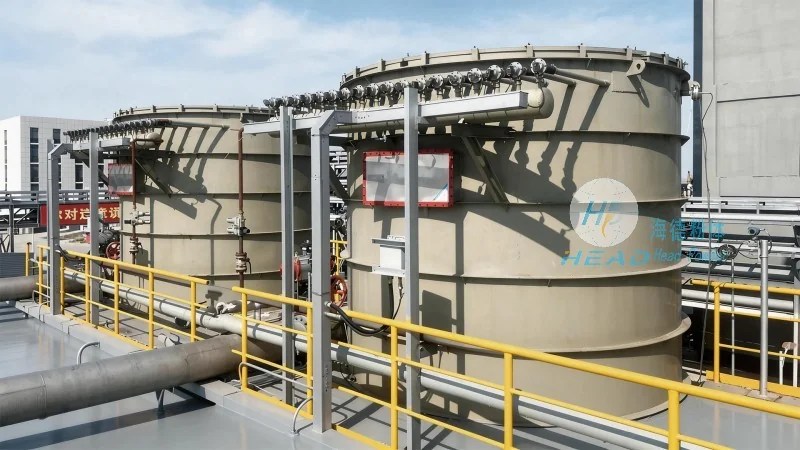
One common solution for sawdust and husk conveying is the positive pressure system using a screw feeder. In this setup, a screw feeder continuously feeds the material into a pressure vessel or a direct line to the conveying pipe. The system is pressurized with air, which pushes the material through the pipeline. This method is effective for short to medium distances and can handle relatively high material flow rates. The screw feeder ensures a consistent feed rate, preventing blockages and maintaining system efficiency. The positive pressure system is also suitable for applications where the material needs to be conveyed to multiple destinations from a single source.
Solution 2: Vacuum Conveying with a Cyclone Separator
For applications requiring material to be transported over longer distances or from multiple points to a central collection point, vacuum conveying is often preferred. This system uses a vacuum pump to create a negative pressure in the pipeline, drawing the material from the source. The material is then separated from the air using a cyclone separator or a filter. Vacuum conveying is particularly effective for handling sawdust and husk that may be mixed with other materials or require gentle handling. The system can be configured with multiple inlets, allowing for the collection of material from various locations and transporting it to a single outlet. This flexibility makes vacuum conveying ideal for large-scale operations.
Solution 3: Hybrid Pneumatic Conveying Systems
Hybrid systems combine elements of both positive and vacuum pressure systems to optimize performance for specific applications. For example, a system might use a positive pressure feeder at the source to ensure consistent material flow, while the main conveying section operates under vacuum to reduce energy consumption and noise levels. This approach is suitable for medium to long-distance conveying and can handle varying material characteristics. The hybrid system also allows for better control over the material's velocity and pressure, minimizing wear on the pipeline and components. By integrating both pressure and vacuum technologies, these systems provide a balanced solution that addresses the unique challenges of sawdust and husk handling.
HeadPowder Engineering's Expertise in Pneumatic Conveying
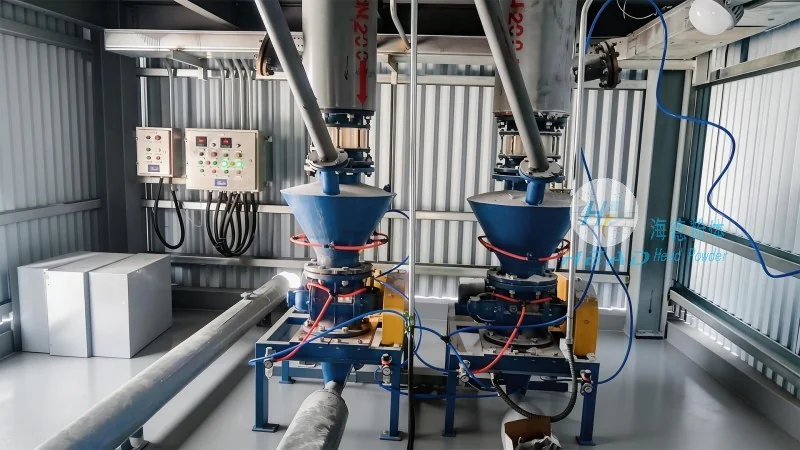
Shandong HeadPowder Engineering Co., Ltd. specializes in designing and manufacturing customized pneumatic conveying solutions for various industries. With years of experience, the company has developed a deep understanding of the technical and operational aspects of handling sawdust and husk. HeadPowder's engineers work closely with clients to assess their specific material handling needs, considering factors such as production capacity, distance, and environmental regulations. The company offers a range of equipment, including screw feeders, vacuum pumps, and cyclone separators, tailored to the unique requirements of each project. By leveraging advanced technology and engineering expertise, HeadPowder ensures that its systems are efficient, reliable, and cost-effective. The company's commitment to quality and customer satisfaction has made it a trusted partner in the material handling industry.
Conclusion: Choosing the Right Pneumatic Conveying Solution
Selecting the appropriate pneumatic conveying system for sawdust and husk depends on several factors, including the distance, material characteristics, and operational requirements. Positive pressure systems are ideal for short distances and high flow rates, while vacuum systems are better suited for longer distances and multiple source points. Hybrid systems offer a flexible solution for complex applications. By understanding the advantages and limitations of each approach, industries can choose the most effective method to transport their materials efficiently and safely. With the right system in place, businesses can improve their operational efficiency, reduce costs, and ensure compliance with environmental standards. Shandong HeadPowder Engineering Co., Ltd. stands ready to provide expert guidance and customized solutions to meet the diverse needs of the sawdust and husk handling industry.