

Aerodynamic Transport Solutions for Lightweight Aggregates
Lightweight aggregates, such as expanded perlite, vermiculite, and other porous materials, are widely used in construction and industrial applications due to their low density and excellent thermal insulation properties. The efficient and reliable transport of these materials is crucial for maintaining production efficiency and ensuring product quality. This document outlines several aerodynamic transport solutions designed to handle lightweight aggregates, providing insights into the technical approaches and practical applications.
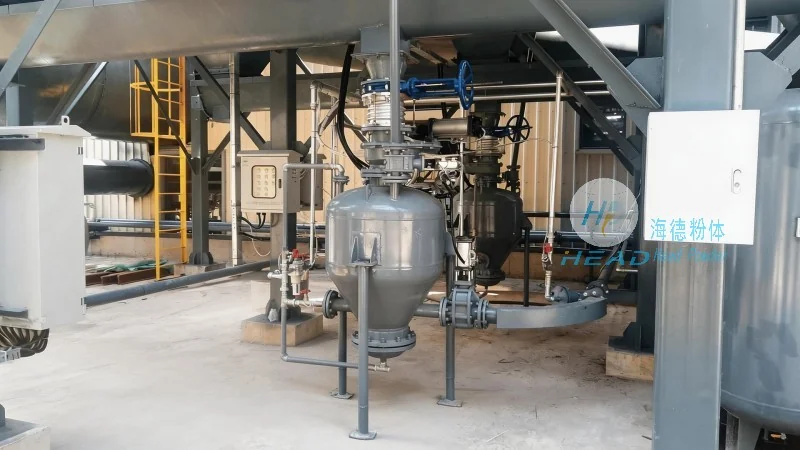
Understanding Aerodynamic Transport for Lightweight Aggregates
Lightweight aggregates, characterized by their low bulk density and high porosity, present unique challenges in traditional material handling systems. Conventional methods like belt conveyors or screw conveyors may not be suitable due to the material's tendency to float or create air pockets, leading to inefficiencies and equipment damage. Aerodynamic transport, or pneumatic conveying, offers a solution by using air pressure to move materials through a pipeline system. This method is particularly effective for handling fine or powdery materials that are difficult to transport using mechanical means.
Key Considerations in Designing Aerodynamic Transport Systems
When designing an aerodynamic transport system for lightweight aggregates, several factors must be carefully considered to ensure optimal performance. The first is the material's particle size and density distribution, as these properties directly impact the air velocity required for effective transport. For example, smaller particles may require higher air velocities to prevent settling or blockages in the pipeline. Additionally, the system's pressure drop and energy consumption must be evaluated to balance operational efficiency with cost-effectiveness. Material compatibility with the conveying system components, such as pipelines and valves, is another critical consideration, as lightweight aggregates can be abrasive or corrosive under certain conditions.
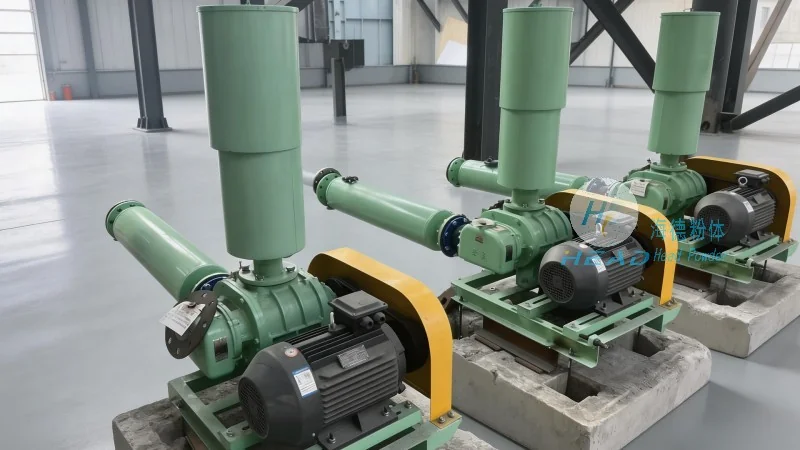
Common Aerodynamic Transport Solutions
There are several types of aerodynamic transport systems commonly used for lightweight aggregates, each with its own advantages and applications. The most common is the positive pressure system, where air is blown into the pipeline to push the material forward. This system is ideal for short to medium-distance transport and is often used in industrial settings where the material is produced on-site. A negative pressure system, on the other hand, uses suction to draw the material into the pipeline, making it suitable for long-distance or outdoor applications where the material may be exposed to the environment. For applications requiring high capacity and low pressure drop, a combination of both positive and negative pressure, known as a dual-stage system, may be employed.
Advantages of Aerodynamic Transport for Lightweight Aggregates
Implementing an aerodynamic transport system for lightweight aggregates offers numerous benefits over traditional methods. One of the primary advantages is the ability to handle materials that are difficult to transport mechanically, such as fine powders or materials with high moisture content. The system also provides a closed-loop operation, reducing dust emissions and improving workplace safety. Additionally, aerodynamic transport can be integrated with other processing equipment, such as mixers or classifiers, to create a seamless production line. The flexibility of these systems allows for easy adjustments to accommodate changes in material properties or production volume, ensuring consistent performance over time.
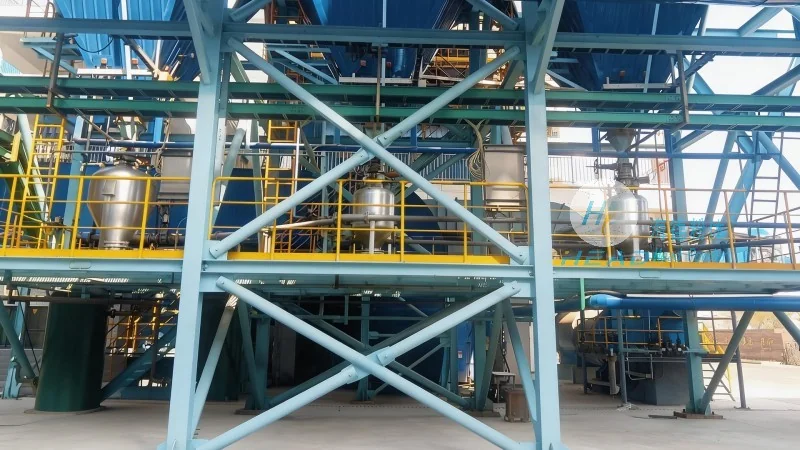
Case Study: Application in Construction Material Production
Shandong HeadPowder Engineering Co., Ltd., a leading provider of engineering solutions for material handling, has successfully implemented aerodynamic transport systems in various construction material production facilities. For instance, a client in the lightweight aggregate production industry required a system to transport expanded perlite from a storage silo to a mixing plant. By utilizing a positive pressure pneumatic conveying system, the company was able to achieve a transport distance of over 100 meters with minimal pressure drop, ensuring consistent material flow and quality. The system also reduced labor costs by automating the material handling process and minimized environmental impact by containing dust emissions.
Conclusion and Recommendations
Choosing the right aerodynamic transport solution for lightweight aggregates is essential for optimizing production efficiency and maintaining product quality. It is recommended to conduct a thorough analysis of the material properties, transport distance, and operational requirements before selecting a system. Consulting with experienced engineering firms, such as Shandong HeadPowder Engineering Co., Ltd., can provide valuable insights into the most suitable technology and design for specific applications. By investing in an efficient aerodynamic transport system, businesses can enhance their operational capabilities, reduce costs, and improve overall productivity in the handling of lightweight aggregates.