

Several Options for Pneumatic Conveying of Cement and Fly Ash
For industrial applications involving the handling of cement and fly ash, efficient material transport is crucial to maintain production efficiency and operational safety. Pneumatic conveying systems offer a reliable solution for moving these bulk materials over short to medium distances, and there are several effective approaches tailored to different operational requirements and site conditions. This article explores several practical solutions for pneumatic conveying of cement and fly ash, highlighting the key considerations and benefits of each method.
1. Positive Pressure Conveying Systems
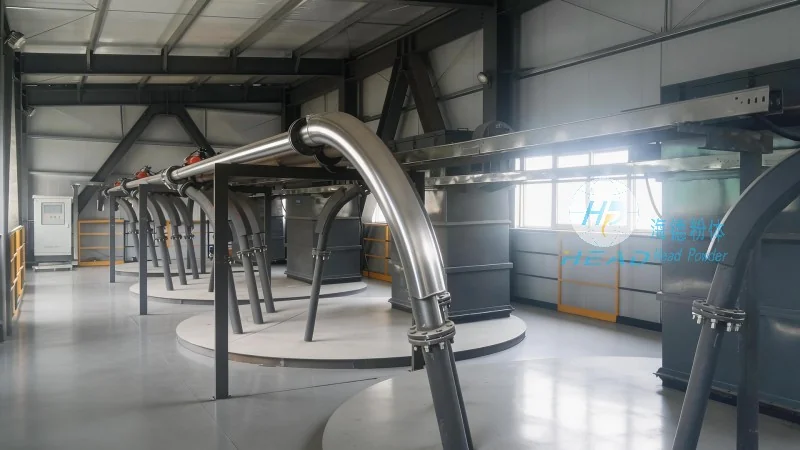
Positive pressure conveying systems are widely used in cement and fly ash handling due to their ability to transport materials over longer distances and handle a variety of material types. In this system, a positive pressure is maintained within the conveying line, typically using a blower or a positive displacement blower. The material is drawn into the system by the pressure differential and carried through the pipeline to the destination. This method is particularly effective for transporting cement and fly ash from storage silos to processing units or for transferring materials between different parts of a production facility. The positive pressure system ensures that the material is continuously moved, reducing the risk of clogging and improving overall system reliability. The design of the positive pressure system includes key components such as the air compressor, material feeders, and pipeline network, all of which are optimized to handle the specific characteristics of cement and fly ash, including their density, particle size, and flowability.
2. Negative Pressure (Vacuum) Conveying Systems
Negative pressure or vacuum conveying systems are another common solution for cement and fly ash transport, especially when the material needs to be moved from a lower elevation to a higher one or when the material is to be collected from multiple sources. In a vacuum system, a vacuum is created at the material inlet, which draws the material into the conveying line. The material is then transported through the pipeline to the collection point under the influence of the vacuum. This method is advantageous for applications where the material is to be transferred from a hopper or a storage bin to a processing unit, as it allows for gentle material handling and reduces the risk of material degradation. The vacuum system typically includes a vacuum pump, a material feed mechanism, and a filter to remove dust from the air before it is released back into the environment. The design of the vacuum system is critical to ensure efficient material transport and to minimize energy consumption, as excessive vacuum can lead to higher operational costs and potential damage to the system components.
3. Hybrid Conveying Systems
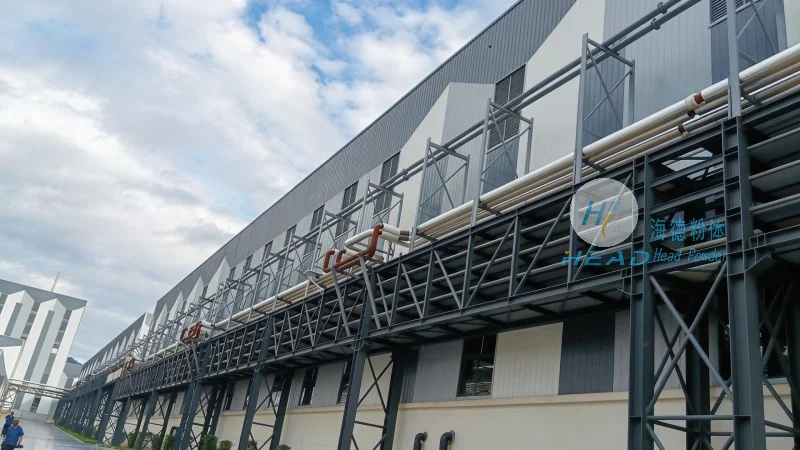
Hybrid conveying systems combine the features of both positive and negative pressure systems to provide enhanced flexibility and efficiency in cement and fly ash handling. These systems are particularly useful when the material needs to be transported over varying distances or when the system must accommodate different material types and flow rates. A hybrid system may use a positive pressure blower to move material from a central storage point to a processing unit, and then use a vacuum system to collect material from multiple points and return it to the central storage. This approach allows for a more integrated material handling process, reducing the need for multiple separate systems and improving overall operational efficiency. The hybrid system also offers better control over material flow, as the positive and negative pressure components can be adjusted independently to match the specific requirements of the application. This flexibility makes hybrid systems a popular choice for large-scale cement and fly ash processing facilities that require a versatile and reliable material transport solution.
4. Screw Conveyors with Pneumatic Assist
In some cases, traditional screw conveyors are supplemented with pneumatic assist to improve material handling performance. This approach combines the mechanical action of a screw conveyor with the pneumatic force of a blower to move cement and fly ash through the system. The screw conveyor provides a continuous, low-speed movement of the material, while the pneumatic assist helps to break up any agglomerates and maintain a consistent flow rate. This method is particularly effective for handling materials with high moisture content or those that tend to clog the screw conveyor. The screw conveyor with pneumatic assist system includes a screw conveyor unit, a material feeder, and a blower, all of which work together to ensure smooth material transport. The design of this system is optimized to handle the specific characteristics of cement and fly ash, including their particle size distribution and moisture content, to minimize the risk of blockages and ensure reliable operation. This hybrid approach offers a cost-effective solution for facilities that already have screw conveyors but need to improve their material handling capabilities.
5. Air Slide Conveyors
Air slide conveyors are a type of pneumatic conveying system that uses a flat, perforated conveyor belt to move cement and fly ash. The material is placed on the conveyor belt, and a low-pressure air stream is introduced beneath the belt, which lifts the material and moves it along the length of the conveyor. This method is particularly suitable for transporting materials over short distances and for applications where the material needs to be moved gently and without excessive pressure. The air slide conveyor is often used in the final stages of material processing, such as transferring cement from a storage bin to a mixer or from a processing unit to a packaging line. The design of the air slide conveyor includes a perforated belt, an air distribution system, and a control panel to regulate the air pressure and flow rate. The system is designed to handle the specific characteristics of cement and fly ash, including their density and flowability, to ensure efficient material transport. Air slide conveyors are known for their low maintenance requirements and their ability to handle a wide range of material types, making them a popular choice for many cement and fly ash handling applications.
6. Considerations for System Selection
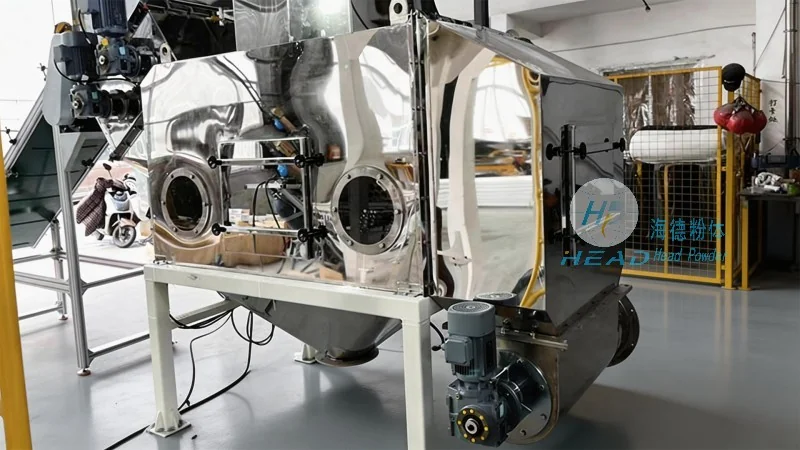
When selecting a pneumatic conveying system for cement and fly ash, several factors must be considered to ensure the optimal performance and reliability of the system. The first consideration is the distance and elevation change required for material transport, as this will determine whether a positive pressure, negative pressure, or hybrid system is most appropriate. The second factor is the material characteristics, including particle size, density, and moisture content, as these will affect the system's design and performance. The third consideration is the required flow rate and capacity, as this will influence the size and capacity of the conveying components. Additionally, the system's energy efficiency and maintenance requirements should be evaluated to ensure long-term cost-effectiveness. It is also important to consider the environmental impact of the system, as cement and fly ash are often handled in industrial settings where dust control and air quality are important. By carefully evaluating these factors, facilities can select the most suitable pneumatic conveying system for their specific needs, ensuring efficient material transport and operational success.
7. Case Study: Application by Shandong HeadPowder Engineering Co., Ltd.
Shandong HeadPowder Engineering Co., Ltd., a leading provider of material handling solutions, has successfully implemented several pneumatic conveying systems for cement and fly ash applications. One notable project involved the design and installation of a positive pressure conveying system for a large cement plant in China. The system was designed to transport cement from storage silos to the production line, covering a distance of approximately 200 meters. The system included a high-efficiency blower, a material feeder, and a pipeline network optimized for the cement's particle size and flowability. The implementation of this system resulted in a significant improvement in material transport efficiency, reducing the time required to move cement from 30 minutes to 10 minutes. The system also improved operational safety by eliminating the need for manual handling of bulk materials. Another project involved the installation of a hybrid conveying system for a fly ash processing facility, which combined a positive pressure blower with a vacuum system to collect fly ash from multiple sources and return it to the central storage. The hybrid system provided the flexibility needed to handle varying material flow rates and distances, resulting in a more efficient and cost-effective material handling process. These case studies demonstrate the effectiveness of pneumatic conveying systems in cement and fly ash handling and highlight the expertise of Shandong HeadPowder Engineering Co., Ltd. in designing and implementing customized material handling solutions.