

Design of a Negative Pressure Pneumatic Conveying System for Aluminum Sulfate
HeadPowder Engineering, a leading provider of industrial material handling solutions, specializes in the design and implementation of advanced pneumatic conveying systems. This article focuses on the design of a negative pressure pneumatic conveying system specifically for aluminum sulfate, a critical chemical widely used in water treatment, paper manufacturing, and other industrial processes.
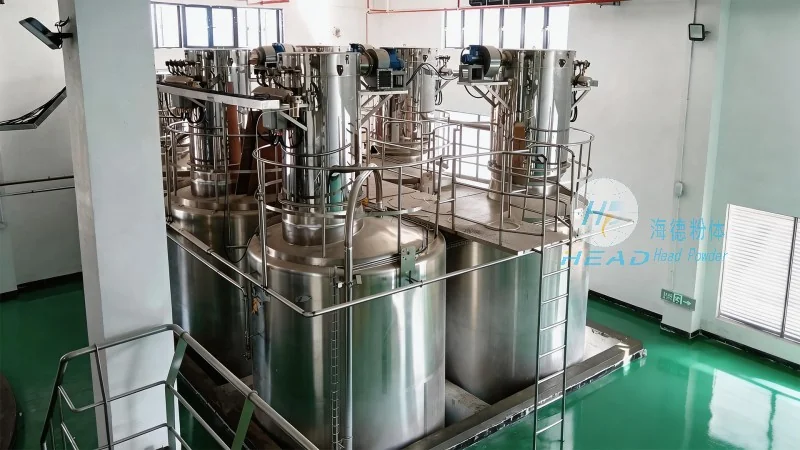
System Overview and Application
The negative pressure pneumatic conveying system for aluminum sulfate is engineered to efficiently transport bulk materials from storage silos or hoppers to processing units, such as reactors or mixing tanks. By utilizing a vacuum environment, the system minimizes material degradation, reduces dust emissions, and ensures precise control over the conveying process. This design is particularly suitable for applications where material handling needs to be clean, efficient, and environmentally friendly.
Key Components and Technical Specifications
The system comprises several core components, each meticulously designed to optimize performance and reliability. The primary components include a vacuum pump, a material feed hopper with a rotary valve, a conveying pipeline network, and a receiving hopper equipped with a discharge valve. The vacuum pump is responsible for creating the negative pressure that draws the aluminum sulfate from the source to the destination. The rotary valve at the feed hopper ensures a controlled and continuous material flow, preventing blockages and maintaining consistent conveying rates. The pipeline network is constructed from corrosion-resistant materials, such as stainless steel, to withstand the chemical properties of aluminum sulfate and ensure long-term durability. The receiving hopper is designed with a discharge valve that allows for smooth material transfer to downstream equipment.
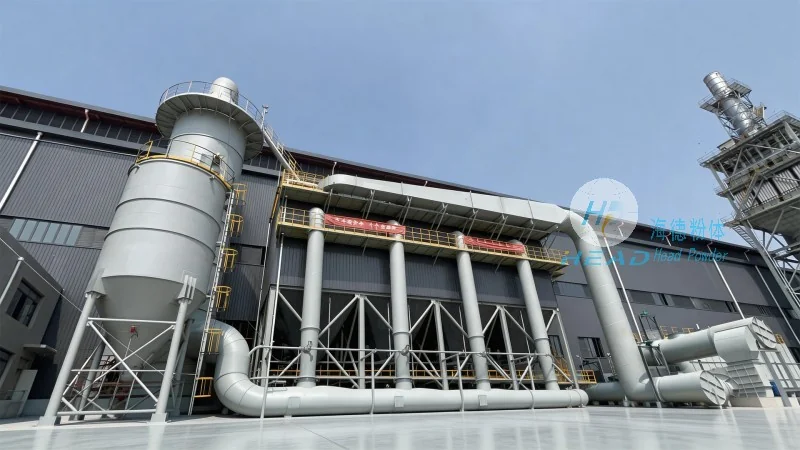
Advantages of the Negative Pressure System
Compared to positive pressure systems, the negative pressure pneumatic conveying system offers several distinct advantages. First, it reduces the risk of material contamination and dust exposure, as the system operates under a vacuum, preventing particles from escaping into the environment. Second, it is more energy-efficient, as the vacuum pump typically requires less power to maintain the conveying pressure compared to the high-pressure blowers used in positive pressure systems. Third, the system provides better control over the material flow rate, allowing for precise dosing and minimizing over-conveying or under-conveying. Additionally, the negative pressure design is less prone to clogging, as the material is drawn rather than forced through the pipeline, reducing the likelihood of blockages caused by moisture or agglomerates.
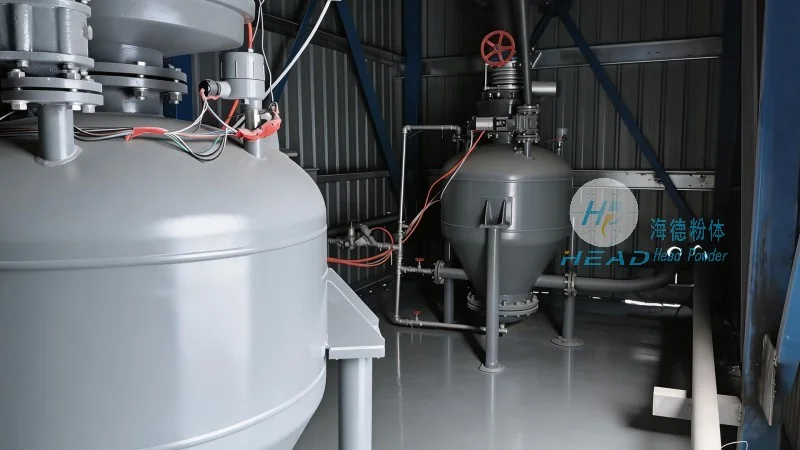
Material Handling Efficiency and Safety
The design of the negative pressure pneumatic conveying system for aluminum sulfate prioritizes both efficiency and safety. The system is equipped with sensors and controls that monitor pressure, flow rate, and material level, ensuring that the operation remains within safe and optimal parameters. This automation reduces the need for manual intervention, minimizing human error and enhancing operational consistency. Furthermore, the system incorporates dust collection and filtration systems to capture any airborne particles, ensuring compliance with environmental regulations and maintaining a clean working environment. The use of corrosion-resistant materials and sealed components also contributes to the overall safety of the system, preventing leaks and chemical exposure.
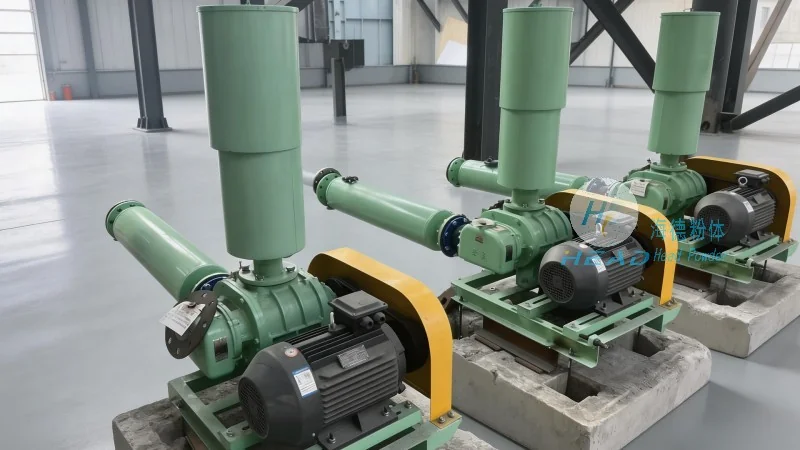
Customization and Integration
HeadPowder Engineering understands that each industrial application has unique requirements. Therefore, the negative pressure pneumatic conveying system for aluminum sulfate is designed to be highly customizable. The system can be adapted to handle different material characteristics, such as varying particle sizes or moisture content, by adjusting the feed hopper design, valve configuration, and pipeline diameter. Additionally, the system can be integrated with existing processing equipment, such as reactors or mixing tanks, to create a seamless material handling workflow. The company's engineering team works closely with clients to assess their specific needs and develop a tailored solution that maximizes efficiency and minimizes operational costs.
Conclusion
The negative pressure pneumatic conveying system for aluminum sulfate, designed by Shandong HeadPowder Engineering Co., Ltd., represents a cutting-edge solution for efficient and safe material handling in industrial applications. By leveraging advanced engineering principles and high-quality components, the system ensures reliable performance, minimal environmental impact, and cost-effective operation. HeadPowder Engineering's commitment to innovation and customer satisfaction makes this system an ideal choice for industries requiring precise and sustainable material transport solutions.