

Design of a Negative Pressure Pneumatic Conveying System for Polyethylene
HeadPowder, a leading engineering firm based in Shandong, China, specializes in the design and implementation of advanced material handling solutions. With a strong focus on innovation and efficiency, the company has established itself as a trusted partner in the industry, delivering high-quality equipment tailored to meet the specific needs of clients. This article introduces the design of a negative pressure pneumatic conveying system specifically engineered for polyethylene, highlighting key features, operational principles, and practical applications.
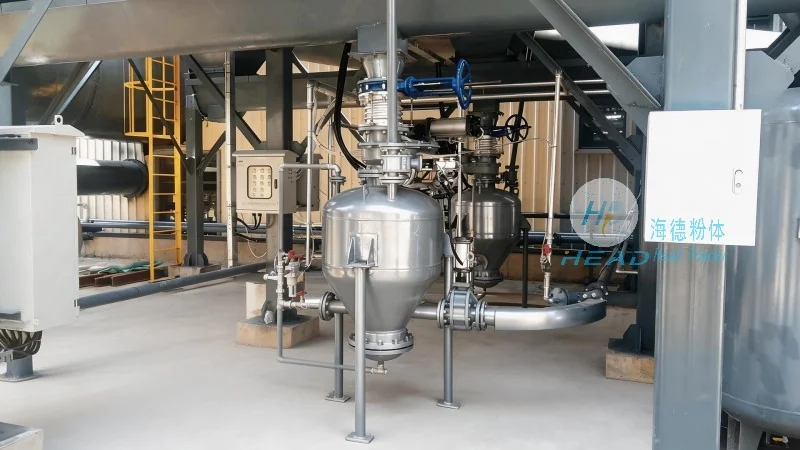
Polyethylene Negative Pressure Pneumatic Conveying System: Core Components and Functionality
The negative pressure pneumatic conveying system for polyethylene, developed by HeadPowder, is a sophisticated solution designed to transport polyethylene materials efficiently and safely. The system operates on the principle of creating a vacuum in the conveying line, which draws the polyethylene particles from the source to the destination. This method is particularly advantageous for polyethylene, as it minimizes material degradation and ensures a clean, dust-free transfer process.
Key components of the system include a vacuum pump, a hopper for material storage, a conveying line with appropriate diameter and length, and a receiving hopper. The vacuum pump generates the necessary negative pressure, while the hopper ensures a consistent supply of polyethylene. The conveying line is equipped with appropriate fittings and valves to control the flow and direction of the material. The receiving hopper collects the polyethylene at the end of the conveying process, ready for further processing or storage.
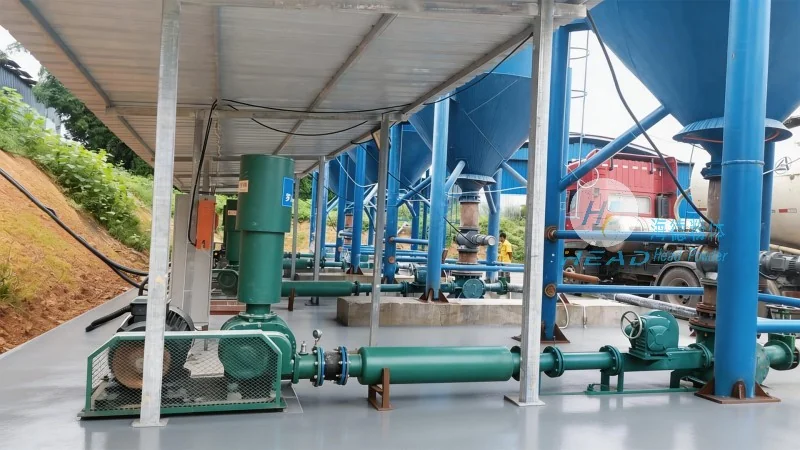
Design Considerations for Optimal Performance and Reliability
When designing the negative pressure pneumatic conveying system for polyethylene, several critical factors are considered to ensure optimal performance and reliability. First, the material properties of polyethylene, such as its density, particle size, and flow characteristics, are carefully analyzed to determine the appropriate conveying velocity and pressure drop. This ensures that the material is transported without excessive wear or degradation.
Second, the system is designed with safety in mind. The negative pressure operation reduces the risk of dust explosions and provides a safer working environment compared to positive pressure systems. Additionally, the system includes features such as pressure relief valves and emergency shut-off mechanisms to prevent accidents and protect personnel and equipment.
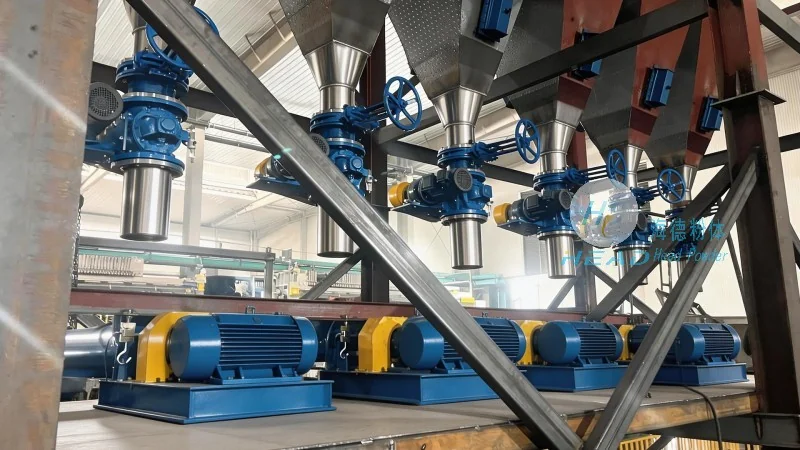
Third, energy efficiency is a key consideration. The vacuum pump is selected based on the required flow rate and pressure, and the system is optimized to minimize energy consumption. This not only reduces operational costs but also aligns with environmental sustainability goals.
Operational Advantages and Practical Applications
The negative pressure pneumatic conveying system for polyethylene offers several operational advantages that make it an ideal choice for various industrial applications. One of the primary benefits is its ability to handle polyethylene in a dust-free environment, which is crucial for maintaining product quality and preventing contamination. This is particularly important in industries such as plastics manufacturing, where polyethylene is used in the production of various products.
Another advantage is the system's flexibility. It can be easily integrated into existing production lines and adapted to different production volumes and material types. The modular design allows for scalability, enabling companies to expand their operations without significant modifications to the conveying system.
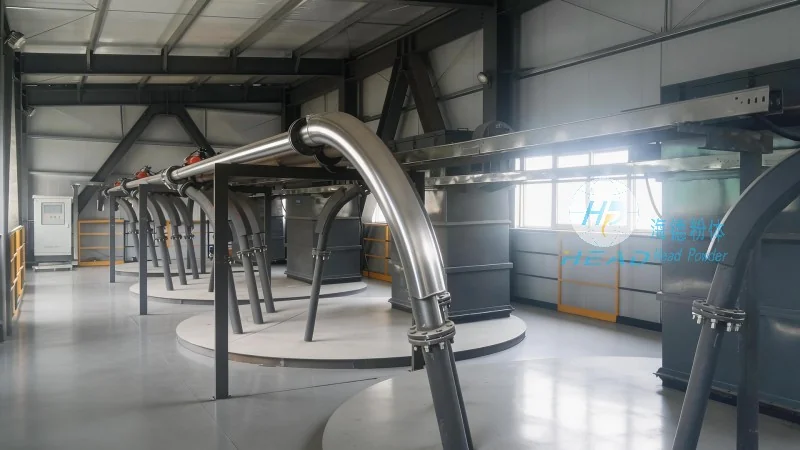
The system is also highly reliable, with minimal maintenance requirements. The use of high-quality materials and components ensures long-term operation, reducing downtime and maintenance costs. This reliability is essential for maintaining production efficiency and meeting customer demands.
Conclusion
HeadPowder's design of a negative pressure pneumatic conveying system for polyethylene represents a significant advancement in material handling technology. By combining advanced engineering principles with practical application, the system provides an efficient, safe, and cost-effective solution for transporting polyethylene materials. The company's commitment to quality and innovation ensures that clients receive a product that meets their specific needs and contributes to their overall operational success.