

Positive Pressure Conveying vs. Negative Pressure Conveying for Ternary Materials: A Comparative Ana
When it comes to transporting ternary materials in industrial settings, the choice between positive pressure and negative pressure pneumatic conveying systems is a critical decision. Both methods offer distinct advantages and are designed to address specific operational needs. This analysis delves into the key differences, benefits, and considerations of each approach, providing insights for industries that rely on efficient material handling solutions.
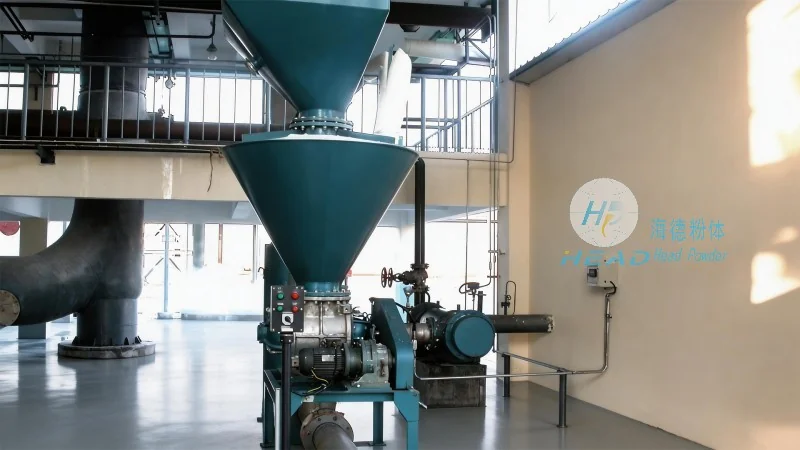
Understanding Pneumatic Conveying Systems
Pneumatic conveying systems are widely used in the processing of various powders and bulk materials, including ternary materials which often require specialized handling due to their chemical composition and physical properties. These systems utilize air or other gases to transport materials through a pipeline network. The primary distinction lies in the pressure differential maintained within the system: positive pressure systems operate with air pressure higher than ambient, while negative pressure systems operate with a lower pressure than ambient, creating a vacuum effect.
Positive Pressure Conveying: Advantages and Applications
Positive pressure conveying, also known as pressure pneumatic conveying, involves blowing air or gas into the conveying line to move materials. This method is particularly effective for materials that are abrasive, corrosive, or have high moisture content. The high pressure ensures that the material is fully enclosed within the pipeline, preventing dust emissions and maintaining product integrity. For ternary materials, which often include components like lithium, cobalt, and nickel, positive pressure systems can effectively handle these reactive or sensitive substances without degradation. The system's ability to maintain a positive pressure also reduces the risk of contamination from external air, making it suitable for applications where product purity is paramount.
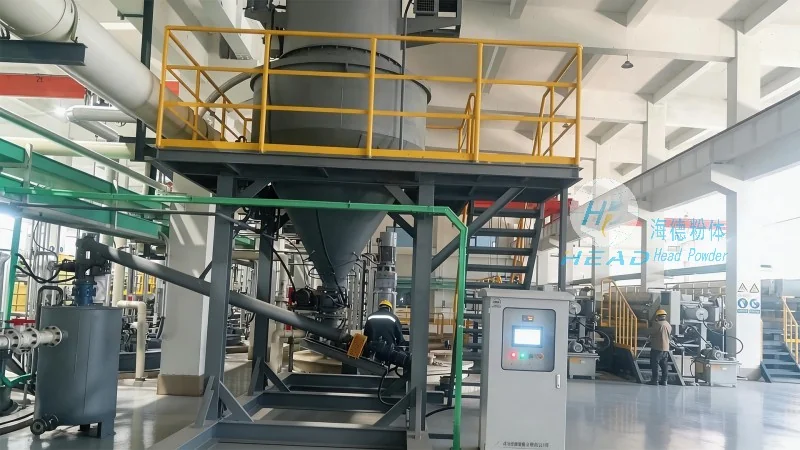
Negative Pressure Conveying: Advantages and Applications
Negative pressure conveying, or vacuum pneumatic conveying, uses a vacuum to draw materials into the conveying line. This approach is ideal for materials that are light, dusty, or require gentle handling to avoid degradation. The lower pressure environment minimizes particle breakage and ensures that fine powders are transported without excessive wear on the system components. For ternary materials, negative pressure systems are often preferred when dealing with materials that are prone to agglomeration or when the process requires a closed-loop system that recovers air and particles. The vacuum also helps in controlling dust emissions at the source, making it a cleaner option for certain industrial environments.
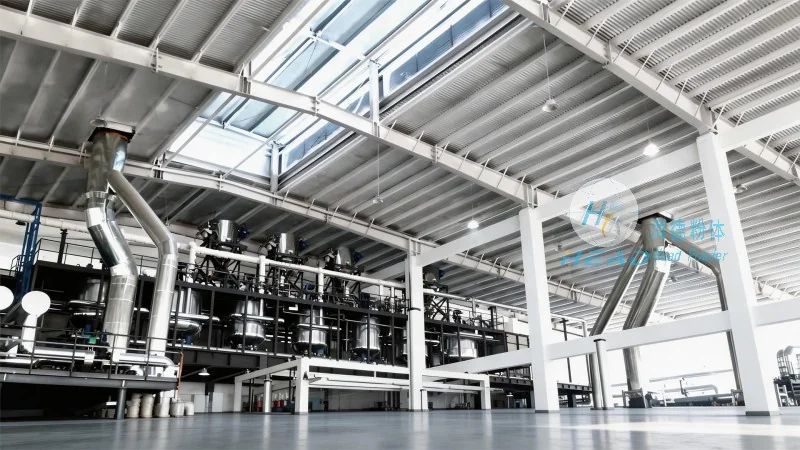
Key Considerations for Choosing Between Systems
The selection between positive and negative pressure conveying for ternary materials depends on several factors, including material characteristics, system layout, and operational requirements. Material properties such as particle size, density, and flowability play a significant role. For example, cohesive or fine powders may perform better in negative pressure systems due to the gentler handling, while abrasive or high-density materials may benefit from the robustness of positive pressure systems. Additionally, the distance and layout of the conveying line influence the choice; longer distances often require positive pressure systems due to the need for sustained pressure, whereas shorter distances can accommodate negative pressure systems effectively.
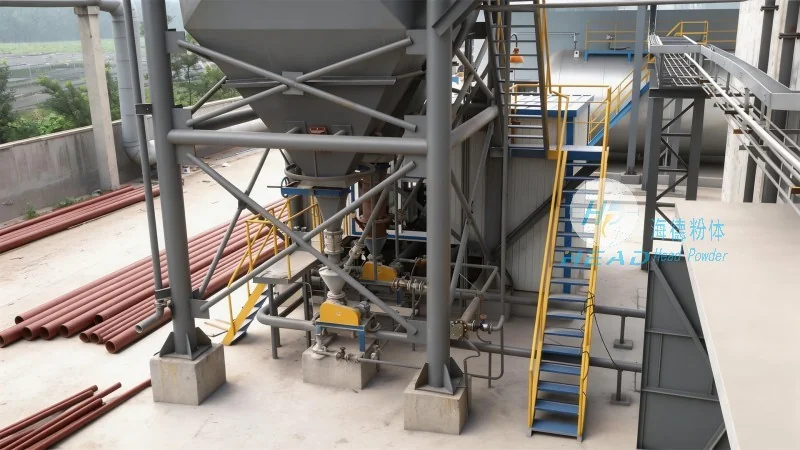
HeadPowder's Expertise in Pneumatic Conveying Solutions
Shandong HeadPowder Engineering Co., Ltd., a leading provider of material handling solutions, specializes in designing and manufacturing customized pneumatic conveying systems tailored to the unique needs of ternary material processing. With years of experience in the industry, HeadPowder understands the complexities of handling materials like lithium-ion battery components, which are central to ternary materials. The company's engineers work closely with clients to assess material properties, process requirements, and operational constraints to recommend the most suitable conveying method. Whether a positive or negative pressure system is chosen, HeadPowder ensures that the solution is efficient, reliable, and compliant with industry standards. The company's commitment to quality and innovation has made it a trusted partner for businesses seeking advanced material handling technologies.
Conclusion: Making the Right Choice for Ternary Material Conveying
In conclusion, both positive and negative pressure pneumatic conveying systems offer viable options for transporting ternary materials, each with its own set of advantages and considerations. Positive pressure systems excel in handling abrasive or high-density materials and maintaining product purity, while negative pressure systems are better suited for light, fine powders requiring gentle handling. The choice ultimately depends on the specific characteristics of the material and the operational goals of the facility. By leveraging the expertise of companies like Shandong HeadPowder Engineering Co., Ltd., industries can select the most appropriate pneumatic conveying solution to enhance efficiency, reduce costs, and ensure the safe and effective processing of ternary materials.