

Polyacrylamide Positive Pressure and Negative Pressure Conveying: A Comparative Analysis of Two Pneu
When it comes to transporting polyacrylamide (PAM), a widely used flocculant in water treatment and industrial processes, selecting the right pneumatic conveying method is crucial for efficiency, cost-effectiveness, and operational reliability. Two primary approaches dominate the industry: positive pressure conveying and negative pressure conveying. This analysis compares these two methods, examining their mechanisms, advantages, disadvantages, and typical applications to help stakeholders make informed decisions.
Understanding Positive Pressure Conveying
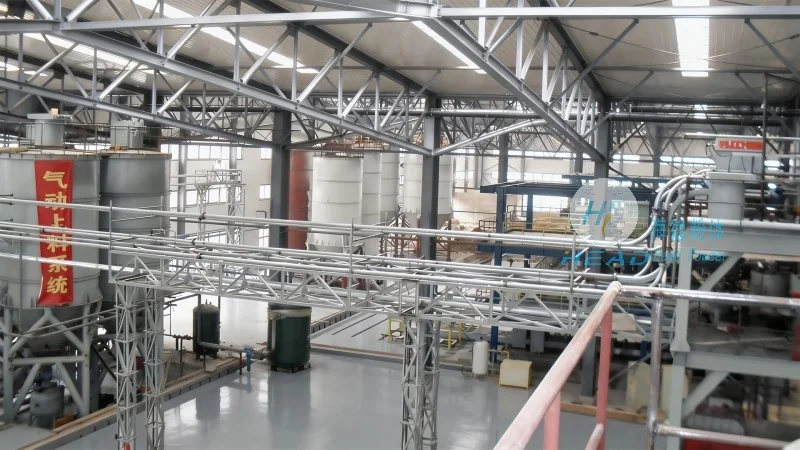
Positive pressure conveying, also known as pressure pneumatic conveying, operates by blowing air or gas into the conveying line under pressure. The system uses a positive pressure blower or compressor to generate the necessary force to move the material. In this method, the material is drawn into the line by the pressure differential created by the moving air. The equipment typically includes a hopper, a rotary valve, a positive pressure blower, and a pipeline system. The air velocity in the line is maintained above the material's terminal velocity to ensure continuous flow.
Key advantages of positive pressure conveying include its ability to handle long distances and high material loads. It is particularly effective for transporting dry powders and granules over extended distances, making it suitable for large-scale industrial applications. The system also offers good control over material flow, as the pressure can be adjusted to match the conveying requirements. Additionally, positive pressure conveying is generally more reliable for abrasive or corrosive materials, as the high-pressure air helps to maintain the material's integrity and prevent clogging.
However, this method has some drawbacks. The high-pressure air consumption can lead to increased energy costs, which may be a concern for large-scale operations. The equipment, such as the positive pressure blower, requires regular maintenance to ensure optimal performance and prevent breakdowns. Furthermore, positive pressure conveying can be less suitable for sensitive materials that may be damaged by the high air velocity or pressure. The system also generates more noise and may require additional safety measures to protect personnel from high-pressure air leaks.
Understanding Negative Pressure Conveying
Negative pressure conveying, or vacuum pneumatic conveying, works by creating a vacuum in the conveying line using a vacuum pump. The system draws material from the source into the line by the pressure difference between the source and the vacuum. The equipment typically consists of a hopper, a rotary valve, a vacuum pump, and a pipeline system. The air velocity in the line is maintained above the material's terminal velocity to ensure that the material is carried along with the air flow.
One of the main advantages of negative pressure conveying is its lower energy consumption compared to positive pressure systems. The vacuum pump operates at lower pressures, reducing the overall energy demand. This makes it more cost-effective for shorter distances or lower material loads. The system is also less noisy and can be more compact, as the vacuum pump is generally smaller than a positive pressure blower. Additionally, negative pressure conveying is better suited for handling fine powders and dust, as the vacuum helps to prevent material loss and improve collection efficiency.
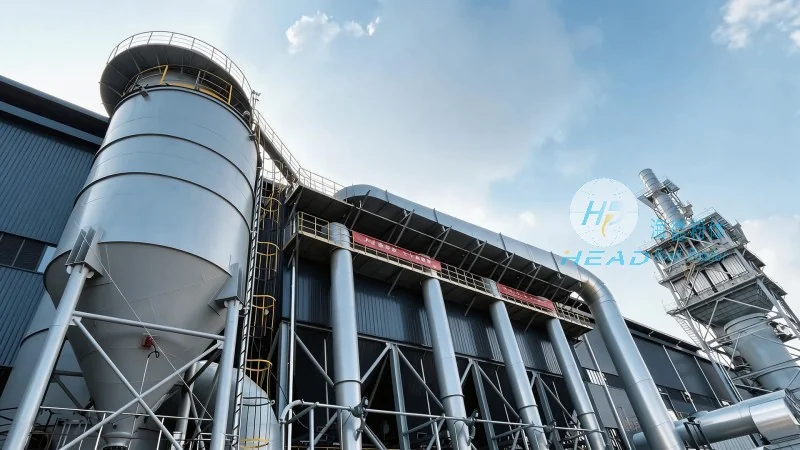
Nevertheless, negative pressure conveying has its limitations. The vacuum system is more prone to clogging, especially with sticky or cohesive materials, as the material may stick to the pipe walls or the vacuum pump. This can lead to reduced conveying efficiency and increased maintenance needs. The system is also less effective for long-distance or high-volume applications, as the vacuum pressure may not be sufficient to overcome the resistance over extended pipelines. Furthermore, the vacuum pump requires more frequent maintenance due to the abrasive nature of the materials being conveyed.
Comparative Analysis: Positive vs. Negative Pressure Conveying
When comparing positive and negative pressure conveying for polyacrylamide, several factors come into play. The choice between the two methods depends on the specific application requirements, such as the distance to be covered, the material characteristics, and the operational budget. For instance, positive pressure conveying is often preferred for long-distance transport of bulk quantities of polyacrylamide, where the high pressure and reliability are essential. In contrast, negative pressure conveying may be more suitable for shorter distances or when handling fine powders that are sensitive to high air velocities.
Cost is another critical factor. Positive pressure systems generally have higher initial and operational costs due to the need for high-pressure blowers and higher energy consumption. Negative pressure systems, while having lower energy costs, may require more frequent maintenance and have higher initial costs for the vacuum pump and associated equipment. The total cost of ownership (TCO) should be evaluated over the system's lifespan to determine the most economical option.
Material characteristics also influence the choice. Positive pressure conveying is better for abrasive or corrosive polyacrylamide, as the high-pressure air helps to prevent material degradation and clogging. Negative pressure conveying, on the other hand, is more effective for fine or cohesive powders, as the vacuum helps to maintain the material's flowability and prevent agglomeration. The particle size, moisture content, and density of the polyacrylamide should be considered when selecting the appropriate conveying method.
Operational reliability is another key consideration. Positive pressure systems are generally more reliable for continuous operation, as they can maintain consistent pressure and flow rates. Negative pressure systems may experience more downtime due to clogging or pump issues, especially with sticky materials. The system's maintenance requirements and the availability of spare parts should be evaluated to ensure smooth operation.
Application Scenarios and Practical Recommendations
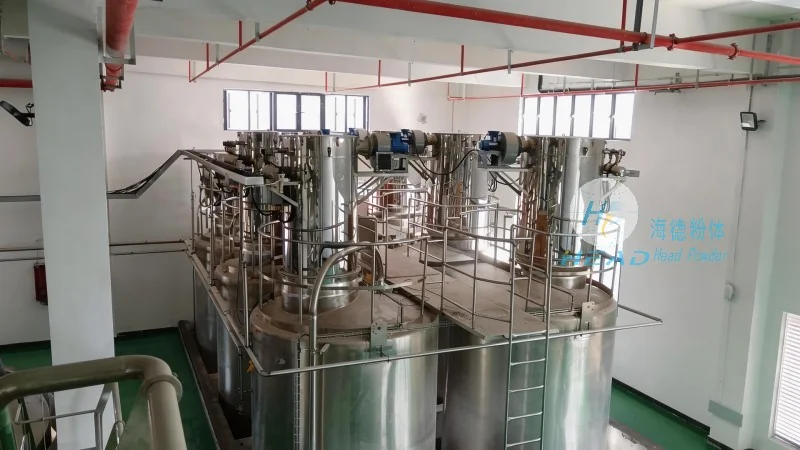
Based on the comparative analysis, here are some practical recommendations for selecting the appropriate pneumatic conveying method for polyacrylamide:
For large-scale industrial applications involving long-distance transport of bulk polyacrylamide, positive pressure conveying is recommended. This method offers higher reliability and better control over material flow, making it suitable for continuous operation in water treatment plants or industrial facilities. The initial investment may be higher, but the long-term operational efficiency and cost savings justify the choice.
For applications involving shorter distances or handling fine powders, negative pressure conveying may be more appropriate. This method is cost-effective for smaller-scale operations and is better suited for materials that are sensitive to high air velocities. However, it is essential to ensure that the system is designed to handle potential clogging issues and that regular maintenance is performed to maintain optimal performance.
When dealing with abrasive or corrosive polyacrylamide, positive pressure conveying is preferred due to its ability to maintain material integrity and prevent clogging. The high-pressure air helps to keep the material in suspension and reduces the risk of material degradation. Negative pressure conveying may not be as effective for such materials, as the vacuum may not be sufficient to overcome the resistance caused by the material's properties.
Ultimately, the choice between positive and negative pressure conveying depends on a careful evaluation of the specific application requirements. It is advisable to consult with experts from companies like Shandong HeadPowder Engineering Co., Ltd., which specializes in pneumatic conveying systems, to determine the most suitable solution for your needs. By considering factors such as distance, material characteristics, cost, and operational reliability, you can select the optimal conveying method to ensure efficient and cost-effective polyacrylamide transport.