

Carboxymethyl Cellulose Positive Pressure and Negative Pressure Conveying: A Comparative Analysis of
When it comes to the efficient and reliable transportation of carboxymethyl cellulose (CMC), the choice between positive pressure and negative pressure pneumatic conveying systems is a critical decision for industries that rely on this versatile chemical. Both methods offer distinct advantages and are suited to different operational requirements. This analysis delves into the characteristics, benefits, and practical considerations of each approach, providing insights for selecting the optimal conveying solution for CMC applications.
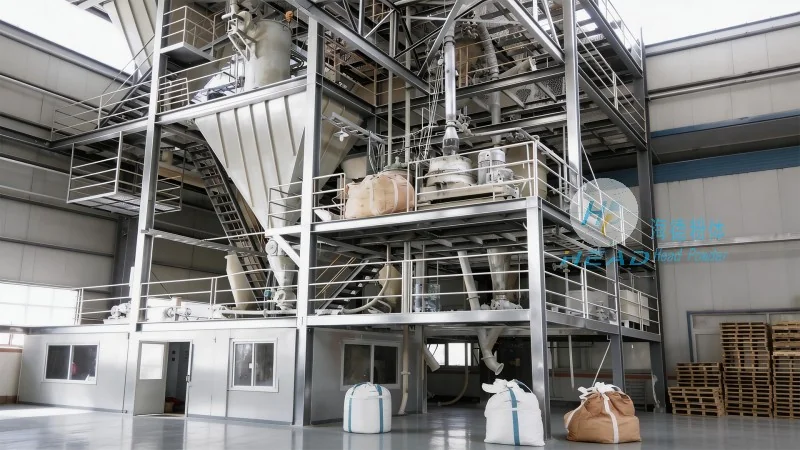
Understanding Pneumatic Conveying Systems
Pneumatic conveying is a technology that uses pressurized or suction air to transport bulk materials like CMC through a pipeline. The two primary types are positive pressure and negative pressure systems, each with its own mechanism for material movement. Positive pressure systems force air and material through the pipeline, while negative pressure systems draw material into the system using a vacuum.
Positive Pressure Conveying of Carboxymethyl Cellulose
Positive pressure conveying involves the use of a blower or compressor to generate air pressure that pushes the material through the pipeline. This method is particularly effective for transporting CMC in applications where the material needs to be moved over long distances or through complex piping networks. The high pressure ensures consistent material flow and reduces the risk of blockages, making it ideal for continuous production lines.
One of the key advantages of positive pressure systems is their ability to handle abrasive or sticky materials like CMC without significant wear on the equipment. The pressurized air helps to keep the material in suspension, preventing it from settling and causing clogs. Additionally, positive pressure systems are generally more energy-efficient for long-distance conveying, as they require less power to maintain the pressure compared to negative pressure systems.
However, positive pressure conveying may not be suitable for all environments. The high pressure can lead to increased noise levels and may require more robust sealing and safety measures to prevent air leaks. Moreover, the system is more complex to install and maintain, as it involves more components such as blowers, filters, and pressure regulators.
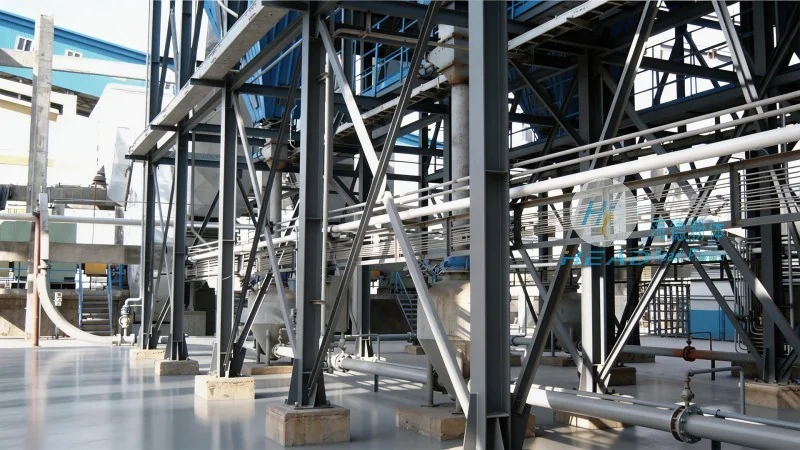
Negative Pressure Conveying of Carboxymethyl Cellulose
Negative pressure conveying, also known as vacuum conveying, uses a vacuum pump to create a suction effect that draws the material into the system. This method is often preferred for shorter conveying distances or when the material needs to be collected from multiple points. The low pressure environment reduces the risk of dust emissions and is generally quieter than positive pressure systems.
A significant benefit of negative pressure systems is their lower initial cost and simpler design. They typically require fewer components, such as a vacuum pump and a hopper, making them more accessible for smaller-scale operations. The vacuum also helps to minimize material degradation, as the material is handled gently and at lower speeds.
Despite these advantages, negative pressure conveying has limitations. The system is less effective for long-distance or high-volume CMC transport, as the vacuum can weaken over distance, leading to reduced material flow. Additionally, the risk of dust inhalation is higher in negative pressure systems, as the material is drawn into the vacuum pump, requiring additional filtration and safety measures.
Comparative Analysis: Which System is Right for CMC?
Choosing between positive and negative pressure conveying for CMC depends on several factors, including the distance of material transport, the volume of material to be moved, and the operational environment. For long-distance or high-volume applications, positive pressure systems are often the better choice due to their efficiency and reliability. They are particularly suitable for industrial settings where continuous production and minimal downtime are critical.
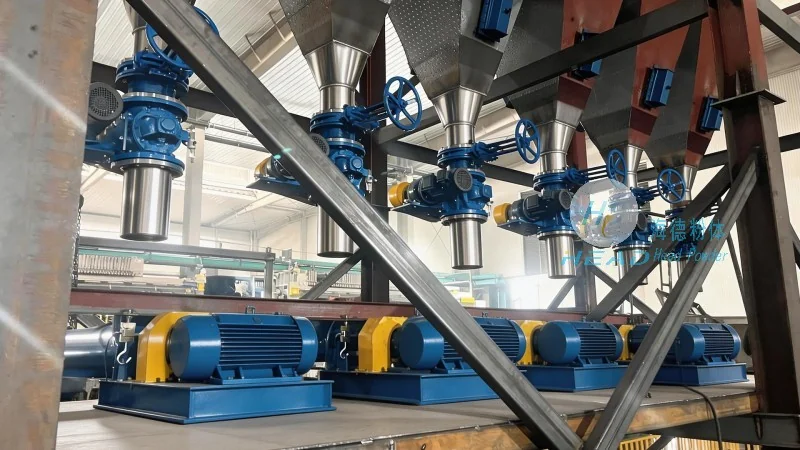
For shorter distances or applications requiring gentle handling, negative pressure systems may be more appropriate. They are ideal for environments where noise and dust control are priorities, such as in pharmaceutical or food processing facilities. The lower cost and simpler maintenance of negative pressure systems also make them attractive for smaller-scale operations.
Practical Considerations and Recommendations
When selecting a pneumatic conveying system for CMC, it is essential to consider the specific properties of the material. CMC is a hygroscopic and fine powder, which can lead to clogging and dust issues if not handled properly. Both positive and negative pressure systems can address these challenges with appropriate design, such as using flexible hoses, installing filters, and maintaining consistent air flow.
For optimal performance, it is recommended to work with a specialized engineering company like Shandong HeadPowder Engineering Co., Ltd. (HeadPowder), which has extensive experience in designing and implementing pneumatic conveying solutions for CMC and other fine powders. HeadPowder, based in Shandong, China, offers tailored systems that consider the unique requirements of each application, ensuring efficient and reliable material transport.
By understanding the differences between positive and negative pressure conveying, and leveraging the expertise of companies like HeadPowder, industries can select the most suitable system for their CMC handling needs. This approach not only improves operational efficiency but also enhances safety and reduces maintenance costs in the long run.