

Comparative Analysis of Positive Pressure and Negative Pressure Conveying for Fly Ash Particles
When it comes to transporting fly ash particles, selecting the right pneumatic conveying method is crucial for efficiency, cost-effectiveness, and operational safety. Two primary approaches dominate the industry: positive pressure conveying and negative pressure conveying. This article provides a detailed comparison of these two methods, highlighting their characteristics, applications, advantages, and disadvantages, with a focus on how they apply to the specific needs of the fly ash handling sector.
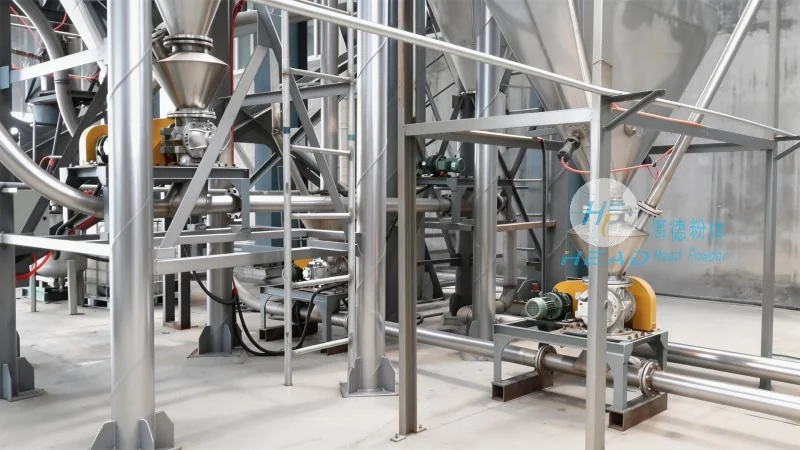
Introduction to Pneumatic Conveying Methods
Pneumatic conveying is a widely used technique for transporting bulk materials like fly ash through a pipeline using air or gas. The two main categories are positive pressure (pressure) conveying and negative pressure (vacuum) conveying. Each method operates on different principles, offering distinct benefits and challenges. Understanding these differences is essential for selecting the optimal system for a given application.
Positive Pressure Conveying: Advantages and Applications
Positive pressure conveying, as the name suggests, involves pressurizing the conveying line with air or gas to move the material. This method is often preferred for long-distance or high-capacity transport of fly ash. The system typically includes a blower or compressor at the inlet, which generates the necessary pressure to push the material through the pipeline. One of the key advantages of positive pressure systems is their ability to handle abrasive materials without significant wear on the equipment. Additionally, they can operate at higher pressures, making them suitable for overcoming significant elevation changes or pipeline resistance. For example, in industrial settings where fly ash needs to be transported from a power plant to a storage facility located at a higher elevation, positive pressure conveying can efficiently achieve this with minimal energy loss.
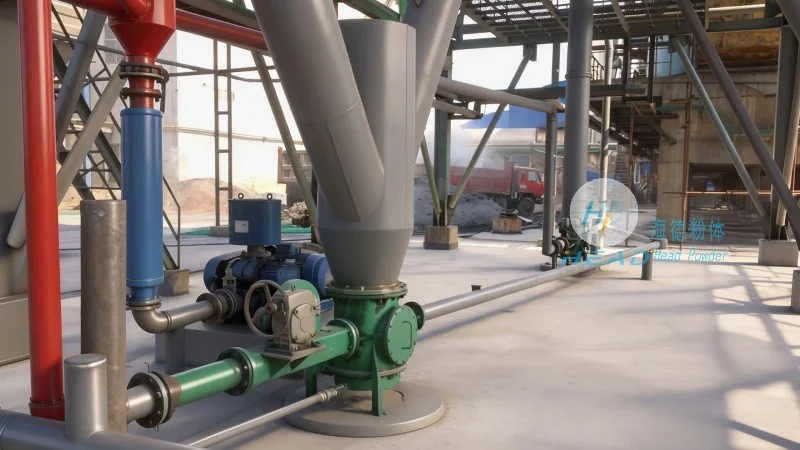
Negative Pressure Conveying: Characteristics and Use Cases
Negative pressure conveying, on the other hand, uses a vacuum at the inlet to draw the material into the pipeline. The system relies on a vacuum pump or fan to create a pressure differential that pulls the material from the source. This method is particularly effective for short-distance or low-capacity applications where the material is relatively dry and non-abrasive. A notable advantage of negative pressure systems is their lower energy consumption compared to positive pressure systems, as they do not require high-pressure air. However, they are more susceptible to clogging and are generally less suitable for handling abrasive or sticky materials, as the vacuum can cause material to adhere to the pipeline walls. In applications such as transporting fly ash from a storage silo to a processing unit within a facility, negative pressure conveying may be a viable option if the distance is short and the material is well-processed.
Key Differences and Performance Metrics
Several factors differentiate positive and negative pressure conveying systems. The most critical is the pressure differential: positive systems operate with positive pressure (above atmospheric), while negative systems operate with negative pressure (below atmospheric). This difference directly impacts energy consumption, material handling capacity, and equipment wear. Positive pressure systems generally consume more energy due to the need to maintain high pressure, but they can handle larger volumes and longer distances. Negative pressure systems are more energy-efficient for short distances but may require more frequent maintenance to prevent clogging. Another important consideration is the effect on material quality. Positive pressure systems can cause more particle breakage due to the higher impact forces, whereas negative pressure systems are gentler on the material, preserving its physical properties. For fly ash, which is often used in construction and cement production, maintaining particle integrity is crucial, making negative pressure systems potentially more suitable for certain applications.
Operational Considerations and Maintenance
Both positive and negative pressure conveying systems require regular maintenance to ensure optimal performance. Positive pressure systems need to monitor blower performance, check for leaks in the pipeline, and replace worn components like filters and seals. Leaks can significantly reduce the system's efficiency and increase energy costs. Negative pressure systems, while generally requiring less pressure maintenance, need to ensure the vacuum pump is functioning correctly and that the pipeline is free from blockages. Clogging is a common issue in negative pressure systems, often caused by moisture or agglomerated particles, which can lead to system downtime. Regular cleaning and the use of filters are essential to prevent this. For fly ash, which can be hygroscopic (absorbing moisture from the air), maintaining dry conditions in the pipeline is critical to prevent clogging and ensure consistent conveying performance.
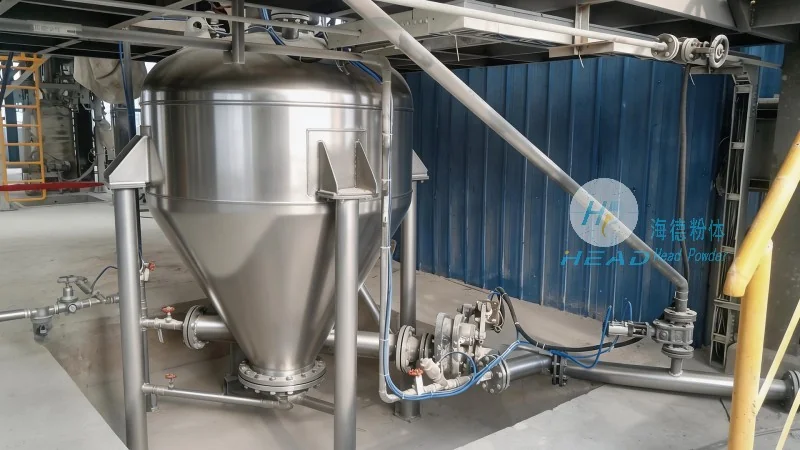
Application Examples in the Fly Ash Industry
In the context of fly ash handling, the choice between positive and negative pressure conveying depends on the specific operational requirements. For instance, a large power plant with multiple storage silos and a long-distance transport to a cement plant might opt for a positive pressure system due to the high volume and long distance. This system would likely involve a large-capacity blower and a robust pipeline network to handle the bulk fly ash. Conversely, a smaller industrial facility that needs to transport fly ash from a silo to a nearby processing unit over a short distance might use a negative pressure system. This would require a vacuum pump and a shorter, more manageable pipeline, reducing energy costs and maintenance needs. The decision also considers the material's properties: if the fly ash is highly abrasive, a positive pressure system with wear-resistant materials might be preferred to minimize equipment damage. If the fly ash is relatively dry and non-abrasive, a negative pressure system could offer a cost-effective solution.
Conclusion: Selecting the Right Conveying Method
Choosing between positive pressure and negative pressure conveying for fly ash particles requires a careful evaluation of operational needs, material characteristics, and cost considerations. Positive pressure systems offer high capacity and long-distance transport capabilities but at a higher energy cost and maintenance requirement. Negative pressure systems are more energy-efficient for short distances and gentler on the material but may face clogging issues and are less suitable for abrasive materials. For optimal performance, it is essential to consider factors such as the distance between the source and destination, the volume of fly ash to be transported, the material's physical properties (e.g., abrasiveness, moisture content), and the available budget for equipment and maintenance. By understanding these differences, industry professionals can select the most appropriate pneumatic conveying method to ensure efficient, reliable, and cost-effective fly ash handling.