

Types and Practical Applications of Pneumatic Conveying Systems for Crystal Particle Transport
When it comes to transporting crystalline materials, the choice of conveying system is critical for efficiency, safety, and material integrity. Pneumatic conveying systems have emerged as a preferred solution in industries dealing with fine or bulk crystalline powders, offering advantages such as reduced contamination, lower maintenance, and the ability to handle materials in a closed system. This article explores the different types of pneumatic conveying systems used for crystal particle transport and their practical applications, highlighting the expertise of Shandong HeadPowder Engineering Co., Ltd. based in China.
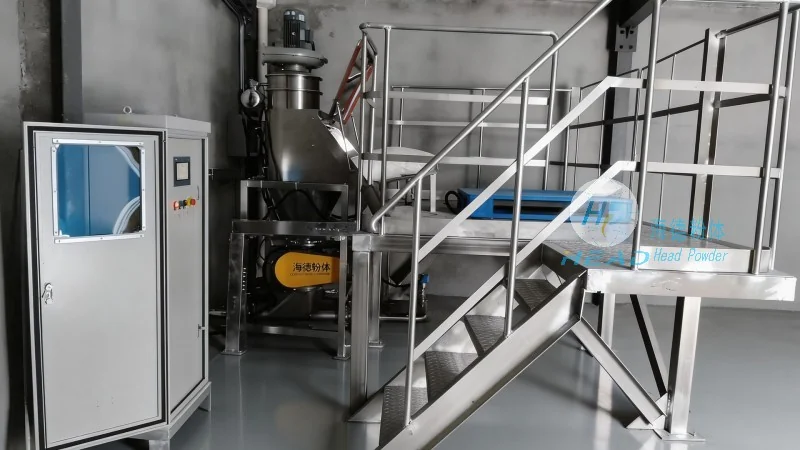
Types of Pneumatic Conveying Systems for Crystal Particle Handling
There are primarily three types of pneumatic conveying systems commonly employed in the handling of crystalline materials: positive pressure, negative pressure, and mixed pressure systems. Each type has distinct characteristics and is suited to different operational requirements.
Positive pressure systems operate by blowing air or gas into the conveying line, propelling the material forward. This method is ideal for long-distance transport and can handle abrasive or corrosive materials without damaging the system. For crystal particle transport, positive pressure systems are often preferred when the material needs to be moved over significant distances or when the process requires a closed loop to prevent dust emissions. The design typically includes a blower, a hopper for material storage, and a pipeline network that ensures the material is transported under pressure.
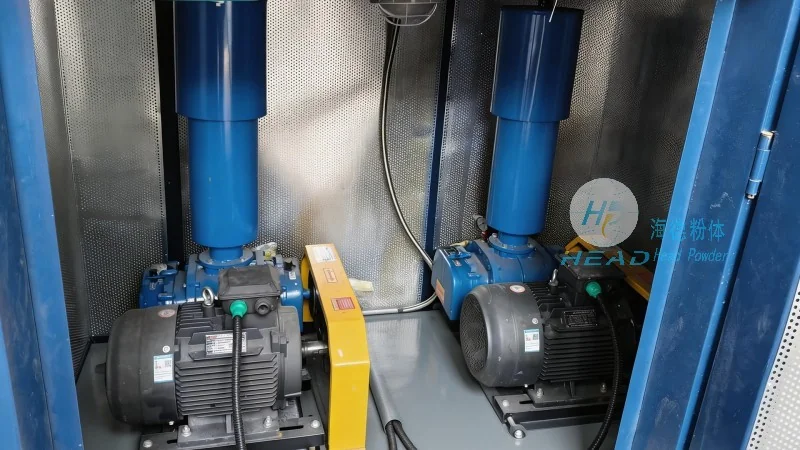
Negative pressure systems, on the other hand, create a vacuum in the conveying line, drawing the material from the source. This approach is suitable for applications where the material is sensitive to pressure changes or where the system needs to handle materials in a low-pressure environment. Negative pressure systems are often used in environments where dust control is paramount, as the vacuum helps to contain particles within the system. However, they may be less efficient for long-distance transport compared to positive pressure systems due to the energy required to maintain the vacuum.
Mixed pressure systems combine elements of both positive and negative pressure, offering a balanced approach to material transport. These systems use a combination of pressure and vacuum to move materials, which can be advantageous for handling a wide range of particle sizes and densities. For crystalline materials, mixed pressure systems are particularly useful when the material needs to be transported through varying conditions, such as from a high to a low elevation, or when the system must accommodate both loading and unloading operations.
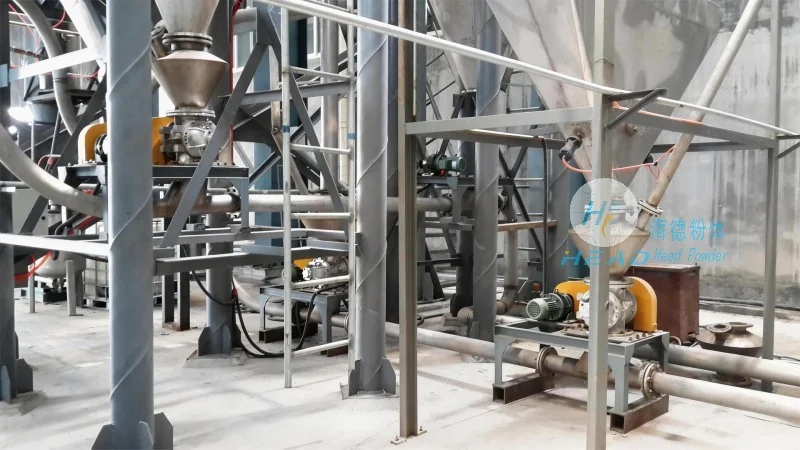
Practical Applications of Pneumatic Conveying Systems in Crystal Particle Transport
The practical applications of pneumatic conveying systems for crystal particle transport are diverse and impact various industries. Shandong HeadPowder Engineering Co., Ltd., a leading provider of such systems, has implemented these technologies in numerous industrial settings, ensuring reliable and efficient material handling.
In the pharmaceutical industry, for example, the transport of crystalline APIs (active pharmaceutical ingredients) requires strict adherence to GMP (Good Manufacturing Practice) standards. Pneumatic conveying systems, particularly positive pressure designs, are used to move these materials without exposing them to contaminants or moisture. The closed system design minimizes the risk of cross-contamination, while the gentle handling of the material preserves its crystalline structure and purity. This is crucial for maintaining the efficacy and safety of the final pharmaceutical products.
In the chemical industry, crystalline chemicals such as salts, sugars, or pigments are commonly handled using pneumatic conveying systems. These systems are used in processes like drying, milling, and packaging, where the material needs to be moved from one processing stage to another. The ability to handle abrasive materials without wear and tear on the system components makes positive pressure systems a popular choice. Additionally, the flexibility of these systems allows for integration with existing production lines, reducing downtime and increasing overall productivity.
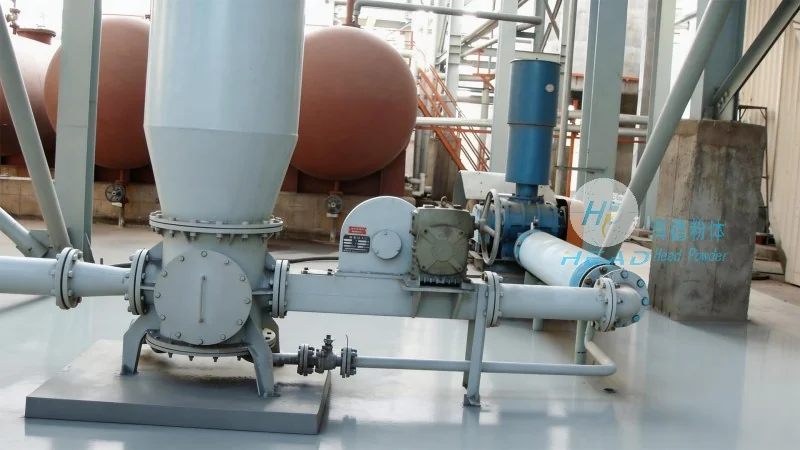
In the food and beverage industry, the transport of crystalline ingredients like sugar, salt, or flavorings is essential for product consistency. Pneumatic conveying systems are used to move these materials from storage silos to processing equipment, ensuring a continuous supply without manual handling. The hygienic design of these systems, with smooth surfaces and easy-to-clean components, is critical for maintaining food safety standards. The gentle handling of the material also prevents clumping or degradation, which could affect the quality of the final product.
In the mining and mineral processing sector, crystalline ores and byproducts are often transported using pneumatic conveying systems. These systems are used to move materials from crushers and mills to storage facilities or for further processing. The high capacity and durability of positive pressure systems make them suitable for handling large volumes of abrasive materials. The closed system design also helps to control dust emissions, which is important for environmental compliance and worker safety.