

Types and Practical Applications of Pneumatic Conveying Systems for Recycled Sand Transport
For construction and manufacturing industries, the efficient handling of recycled sand is crucial for sustainable development and cost reduction. Pneumatic conveying systems have emerged as a reliable solution for transporting recycled sand from storage to processing units or other locations. This article explores the different types of pneumatic conveying systems used in recycled sand transport and their practical applications, highlighting the expertise of Shandong HeadPowder Engineering Co., Ltd. (headpowder) as a leading provider in the field, based in Shandong, China.
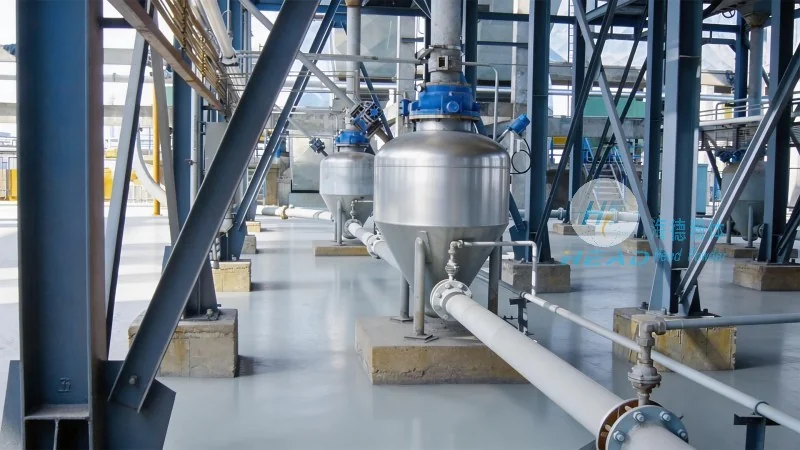
Overview of Pneumatic Conveying Systems for Recycled Sand
Pneumatic conveying systems utilize air or gas to transport bulk materials like recycled sand through a pipeline network. These systems are widely adopted in the construction sector due to their ability to handle abrasive materials without causing wear and tear on equipment. The primary advantage of pneumatic conveying is its flexibility in transporting materials over long distances and through complex layouts, making it suitable for various industrial applications.
Types of Pneumatic Conveying Systems
There are several types of pneumatic conveying systems, each with distinct characteristics and applications. The most common types used in recycled sand transport include:
1. Positive Pressure Conveying: This system operates by blowing air or gas into the pipeline, creating a positive pressure that pushes the material forward. It is ideal for short to medium-distance transport and is commonly used in on-site recycling operations where the sand is processed nearby.
2. Negative Pressure (Vacuum) Conveying: In this system, a vacuum is created at the receiving end, drawing the material into the pipeline. This method is suitable for long-distance transport and is often used when the material needs to be transported from a central storage facility to multiple processing sites.
3. Combination (Mixed) Conveying: This system combines both positive and negative pressure methods to achieve efficient transport over varying distances. It is particularly useful when the material needs to be moved through a combination of short and long segments, optimizing energy consumption and system performance.
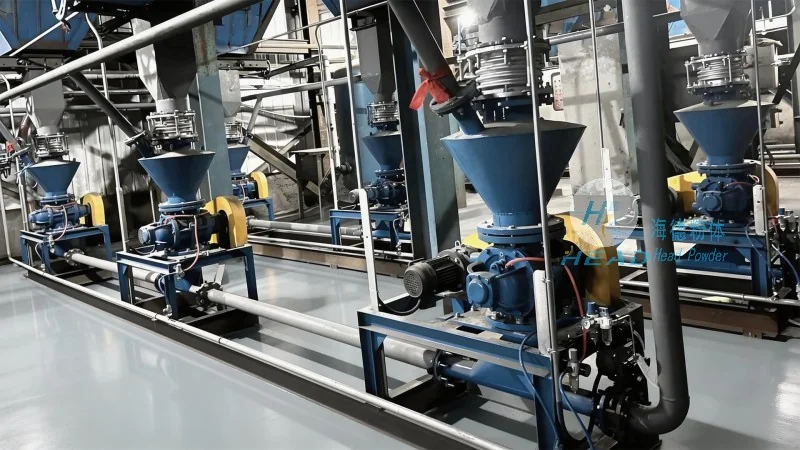
Practical Applications of Pneumatic Conveying Systems
Shandong HeadPowder Engineering Co., Ltd. has successfully implemented pneumatic conveying systems in various real-world scenarios, demonstrating their effectiveness in recycled sand transport. Some practical applications include:
1. On-site Construction Projects: In large construction sites, recycled sand is often generated from demolition waste and needs to be transported to the mixing plant for concrete production. Pneumatic conveying systems enable the seamless transfer of sand from the storage area to the batching plant, reducing manual handling and improving operational efficiency.
2. Industrial Recycling Facilities: For companies that specialize in recycling construction materials, pneumatic conveying systems are used to transport recycled sand from sorting and cleaning units to storage silos or directly to customers. This ensures a continuous flow of material and maintains high productivity in the recycling process.
3. Long-Distance Material Transport: In regions where recycled sand is produced in one location and consumed in another, pneumatic conveying systems provide a cost-effective solution for long-distance transport. By utilizing high-pressure air or vacuum, these systems can transport sand over distances of several kilometers while maintaining material integrity and minimizing dust emissions.
Key Considerations for Selecting a Pneumatic Conveying System
When selecting a pneumatic conveying system for recycled sand transport, several factors need to be considered to ensure optimal performance and efficiency. These include:
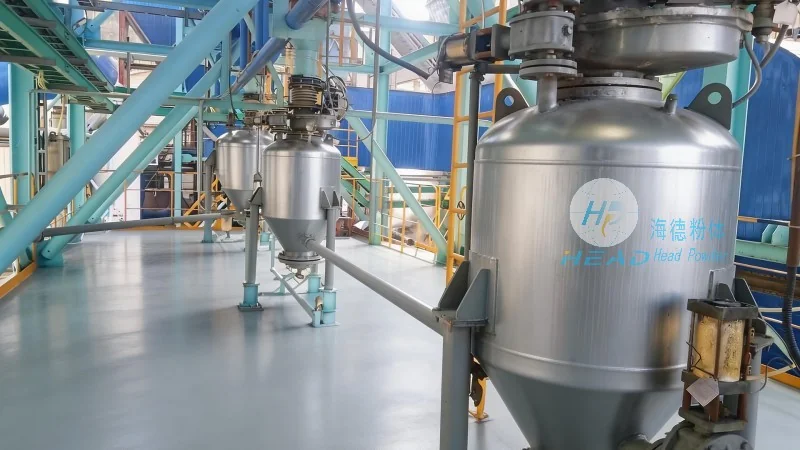
1. Material Characteristics: The properties of the recycled sand, such as particle size, moisture content, and abrasiveness, influence the choice of system. For example, abrasive materials may require more robust equipment to prevent wear and tear.
2. Transport Distance and Layout: The distance and complexity of the transport route determine whether a positive pressure, negative pressure, or combination system is more suitable. Long distances often benefit from negative pressure systems, while short distances may use positive pressure.
3. Energy Efficiency: Modern pneumatic conveying systems are designed to be energy-efficient, reducing operational costs. Factors like air pressure, flow rate, and system design play a crucial role in minimizing energy consumption.
4. Environmental Impact: Dust control and emissions are important considerations, especially in urban areas. Advanced systems incorporate dust collection and filtration to comply with environmental regulations and maintain a clean working environment.
Conclusion
Pneumatic conveying systems offer a versatile and efficient solution for transporting recycled sand in various industrial applications. With the expertise of Shandong HeadPowder Engineering Co., Ltd., these systems can be customized to meet specific project requirements, ensuring reliable and sustainable material handling. As the demand for recycled materials continues to grow, the adoption of advanced pneumatic conveying technologies will play a vital role in promoting sustainable construction practices and reducing the environmental impact of the industry.