

Types and Practical Applications of Pneumatic Conveying Systems for Metallurgical Coal Powder Transp
HeadPowder, a leading engineering company based in Shandong, China, specializes in providing advanced solutions for the transport of metallurgical coal powder. The company's expertise lies in the design, installation, and maintenance of pneumatic conveying systems, which are critical for efficient and safe coal powder handling in metallurgical applications. This article explores the various types of pneumatic conveying systems used in this industry and their practical applications.
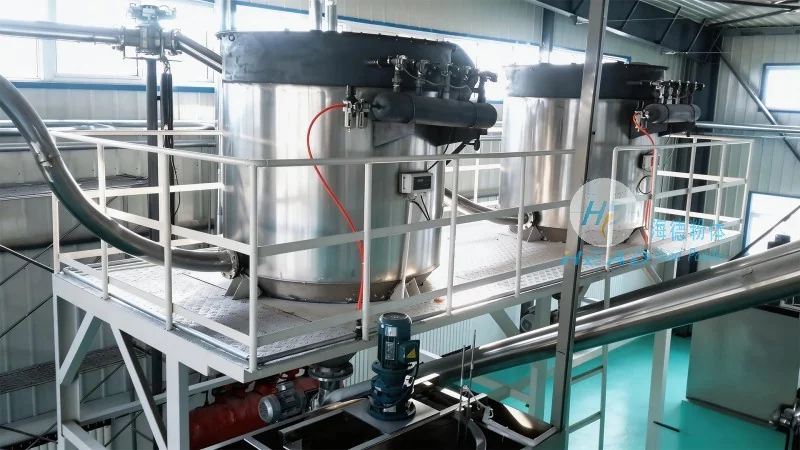
Types of Pneumatic Conveying Systems for Metallurgical Coal Powder Transport
Pneumatic conveying systems are widely used in the metallurgical industry to transport coal powder from storage silos to processing units. These systems utilize air or gas to move the material through a pipeline network. The primary types of pneumatic conveying systems include dilute-phase and dense-phase systems, each with distinct characteristics and applications.
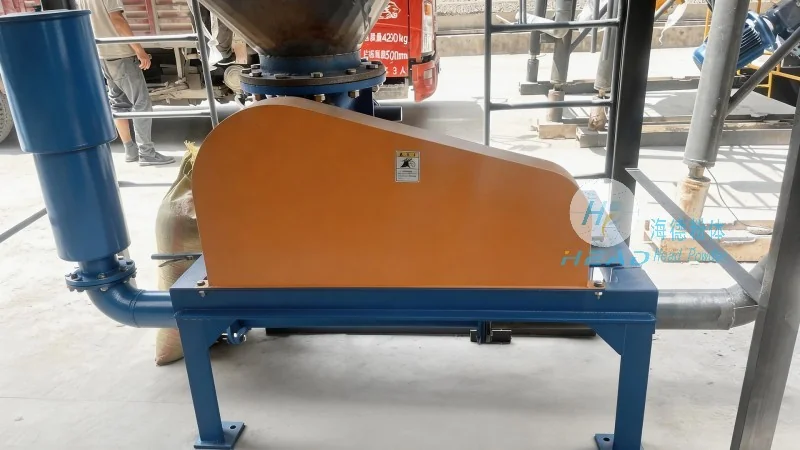
Dilute-phase pneumatic conveying systems operate by suspending the coal powder in a high-velocity air stream. This method is suitable for short to medium-distance transport and is commonly used for fine coal powders. The system typically involves a positive displacement blower or a high-pressure compressor to generate the necessary airflow. The key advantage of dilute-phase systems is their ability to handle large volumes of material with relatively low pressure requirements. However, they may require larger duct sizes and are more susceptible to particle segregation.
Dense-phase pneumatic conveying systems, on the other hand, transport the coal powder in a slurry-like state, where the material is densely packed within the pipeline. This method is ideal for longer distances and for handling coarser or more abrasive coal powders. Dense-phase systems often use a positive displacement pump or a rotary lobe pump to maintain a higher material concentration in the air stream. The primary benefits include reduced wear on equipment, lower air consumption, and better control over material flow. These systems are particularly effective for applications where material degradation or segregation must be minimized.
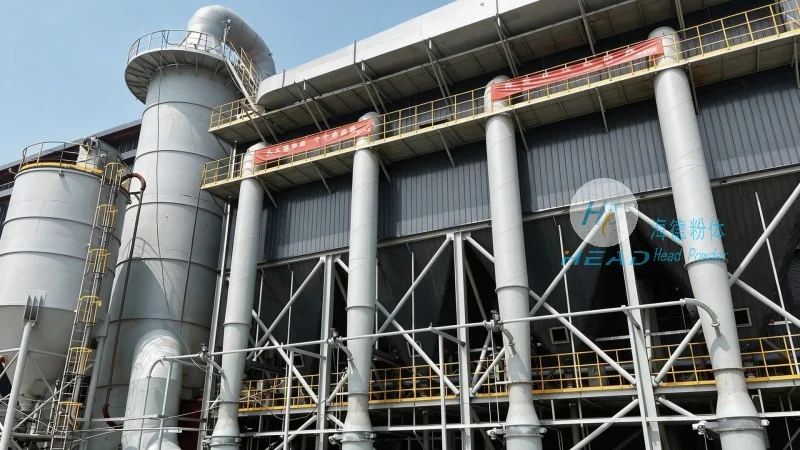
Practical Applications of Pneumatic Conveying Systems in Metallurgical Coal Powder Transport
The practical applications of pneumatic conveying systems in metallurgical coal powder transport are diverse and essential for the smooth operation of coal-based processes. One of the most common applications is the transfer of coal powder from storage silos to coal preparation plants. This process involves feeding the coal powder into a conveying line, where it is transported to the plant's processing units for further treatment. The efficiency of this transfer is crucial for maintaining production rates and ensuring consistent material quality.
Another important application is the transport of coal powder from the preparation plant to the blast furnace or other metallurgical reactors. In these high-temperature environments, the coal powder is used as a fuel or reducing agent. The pneumatic conveying system must be capable of handling the material under high-temperature conditions and ensuring a consistent flow rate to the reactor. This application requires robust materials of construction and precise control systems to prevent material degradation or blockages.
Additionally, pneumatic conveying systems are used in the transport of coal powder from the reactor back to the storage or processing areas. This reverse flow is necessary for recycling or reprocessing the material. The system must be designed to handle the material under varying conditions, including temperature and moisture content. The practicality of these systems lies in their ability to handle both forward and reverse flows, making them versatile for different stages of the metallurgical process.
Key Considerations for Selecting Pneumatic Conveying Systems in Metallurgical Coal Powder Transport
When selecting a pneumatic conveying system for metallurgical coal powder transport, several factors must be considered to ensure optimal performance and longevity. The first consideration is the material characteristics of the coal powder, including particle size, density, and abrasiveness. These properties will determine the appropriate system type and equipment selection. For example, fine and abrasive coal powders may require dense-phase systems with specialized components to prevent wear and ensure efficient transport.
Another critical factor is the distance and layout of the transport route. Short-distance transport may be suitable for dilute-phase systems, while longer distances may necessitate dense-phase systems or even hybrid systems that combine both methods. The layout of the plant and the available space for ductwork and equipment also influence the system design. Engineers must consider the available headroom, floor space, and access points for maintenance and operation.
Energy efficiency is also a key consideration in the selection of pneumatic conveying systems. The power consumption of the system can significantly impact operational costs. Modern systems often incorporate energy-saving features, such as variable speed drives and optimized airflow control, to reduce energy usage. Additionally, the choice of blower or compressor type affects energy efficiency, with some systems offering higher efficiency at lower pressures.
HeadPowder's Expertise in Pneumatic Conveying Solutions for Metallurgical Coal Powder Transport
HeadPowder Engineering Co., Ltd., with its headquarters in Shandong, China, has established itself as a trusted provider of pneumatic conveying solutions for the metallurgical industry. The company's team of experienced engineers and technicians specializes in designing customized systems that meet the specific needs of each client. HeadPowder's solutions are tailored to handle the unique challenges of metallurgical coal powder transport, including high temperatures, abrasive materials, and demanding operational conditions.
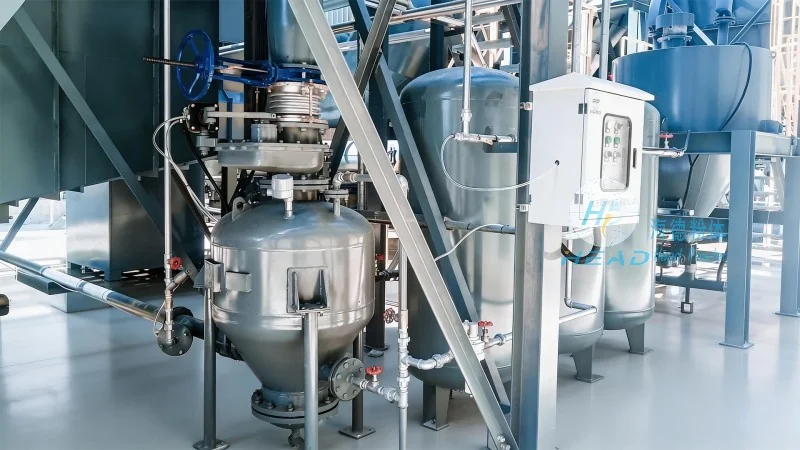
The company's approach to system design involves a comprehensive analysis of the client's requirements, including material characteristics, transport distances, and operational constraints. This analysis allows HeadPowder to recommend the most suitable system type, such as dilute-phase or dense-phase, and to specify the appropriate equipment, including blowers, pumps, and control systems. The company also provides installation and maintenance services to ensure the long-term reliability and performance of the systems.
HeadPowder's commitment to quality and innovation is reflected in its use of advanced materials and technologies. The company's systems are constructed from high-quality materials, such as stainless steel and corrosion-resistant alloys, to withstand the harsh conditions of metallurgical coal powder transport. Additionally, the company incorporates modern control systems and monitoring technologies to enhance system performance and provide real-time data on material flow and system status.
Conclusion: The Importance of Pneumatic Conveying Systems in Metallurgical Coal Powder Transport
Pneumatic conveying systems play a vital role in the efficient and safe transport of metallurgical coal powder. The choice of system type, whether dilute-phase or dense-phase, depends on the specific requirements of the application, including material characteristics, transport distance, and operational conditions. HeadPowder Engineering Co., Ltd., based in Shandong, China, offers comprehensive solutions for these systems, ensuring that clients receive tailored designs and reliable performance. By leveraging advanced engineering and materials, HeadPowder helps metallurgical facilities maintain high production rates, improve material quality, and reduce operational costs. The practical applications and considerations outlined in this article highlight the importance of selecting the right pneumatic conveying system for successful coal powder transport in the metallurgical industry.