

Pneumatic Conveying in the Bulk Handling of Desulfurization Gypsum
Desulfurization gypsum, a byproduct of flue gas desulfurization processes in power plants and industrial facilities, presents unique handling challenges due to its fine particle size and moisture content. Traditional bulk material handling methods often struggle with dust generation, material segregation, and operational inefficiencies when dealing with such materials. Pneumatic conveying technology offers a robust solution to address these challenges, enabling efficient, dust-free, and environmentally friendly transport of desulfurization gypsum from production sites to storage or processing facilities.
HeadPowder Engineering: Expertise in Bulk Material Handling
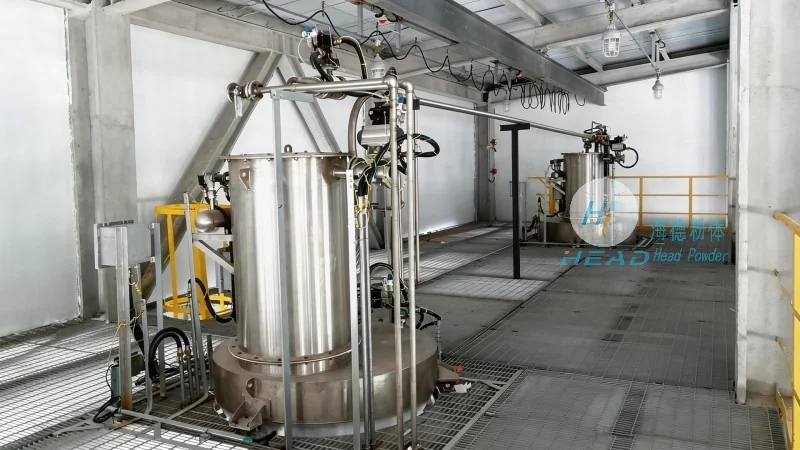
HeadPowder, or Shandong HeadPowder Engineering Co., Ltd., based in Shandong, China, specializes in the design, manufacturing, and implementation of advanced pneumatic conveying systems tailored for industrial bulk materials. With a focus on innovation and customer-centric solutions, the company has established itself as a leading provider of equipment and services for the efficient handling of challenging materials like desulfurization gypsum. Their expertise lies in understanding the specific properties of each material and designing systems that optimize performance, reduce operational costs, and ensure compliance with environmental regulations.
Key Features of Pneumatic Conveying Systems for Desulfurization Gypsum
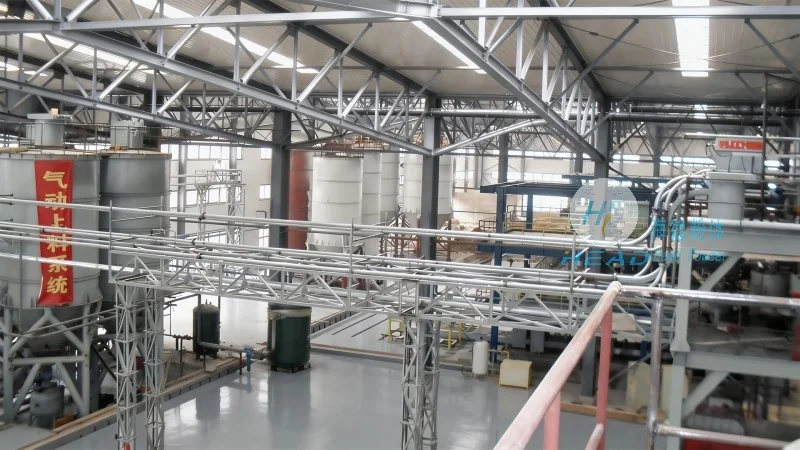
The pneumatic conveying systems developed by HeadPowder for desulfurization gypsum applications incorporate several key features that enhance performance and reliability. These systems are engineered to handle the fine, dry, or slightly moist particles characteristic of desulfurization gypsum, ensuring consistent flow and minimal material degradation. The design includes high-efficiency air separation and filtration systems to control dust emissions, which is critical for maintaining air quality and meeting environmental standards. Additionally, the systems are equipped with advanced control mechanisms that allow for precise regulation of air flow, pressure, and material feed rates, ensuring smooth and continuous operation. The use of durable materials and components, such as corrosion-resistant steel and wear-resistant liners, further extends the lifespan of the equipment and reduces maintenance requirements.
Benefits of Using Pneumatic Conveying for Desulfurization Gypsum Transport
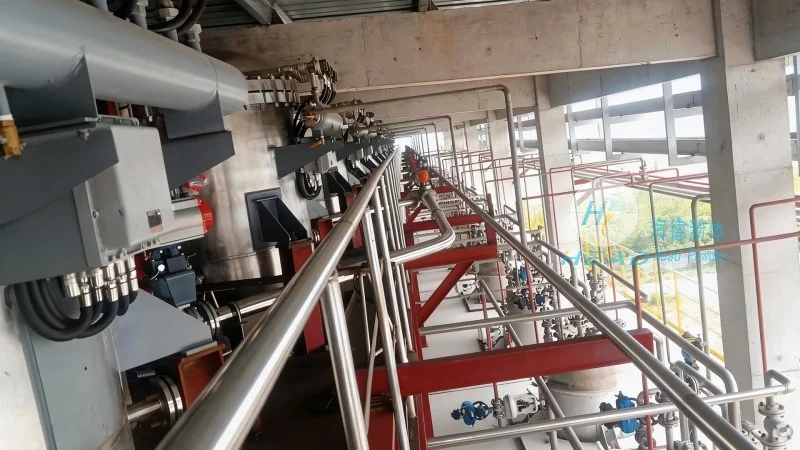
Implementing pneumatic conveying systems for desulfurization gypsum offers numerous benefits for industrial operations. Firstly, it significantly reduces dust generation compared to traditional methods like belt conveyors or bucket elevators, creating a safer and more comfortable working environment. This not only improves worker health and safety but also minimizes the need for additional dust control measures, such as baghouses or scrubbers. Secondly, pneumatic conveying enables the integration of multiple handling processes, such as conveying, storage, and blending, into a single, automated system. This streamlines operations and reduces the need for manual intervention, leading to increased productivity and lower labor costs. Thirdly, the technology allows for the transport of desulfurization gypsum over longer distances with minimal energy consumption, making it an energy-efficient solution for large-scale applications. Finally, the systems are designed to be flexible and adaptable, allowing for easy integration with existing infrastructure and future expansion of handling capacity.
Application Examples and Case Studies
HeadPowder has successfully implemented pneumatic conveying systems for desulfurization gypsum in various industrial settings. For example, a power plant in Shandong, China, utilized a high-pressure pneumatic conveying system to transport desulfurization gypsum from the flue gas desulfurization unit to a nearby storage facility. The system, equipped with a rotary valve feeder and a high-efficiency cyclone separator, was able to handle the fine gypsum particles with minimal dust emissions and maintain a consistent flow rate of 10 tons per hour. Another application involved a cement manufacturing plant that integrated a pneumatic conveying system to transport desulfurization gypsum as a raw material for cement production. The system was designed to blend the gypsum with other raw materials, improving the quality and consistency of the final cement product. These case studies demonstrate the effectiveness of pneumatic conveying in improving operational efficiency and reducing costs for desulfurization gypsum handling.
Conclusion and Future Outlook
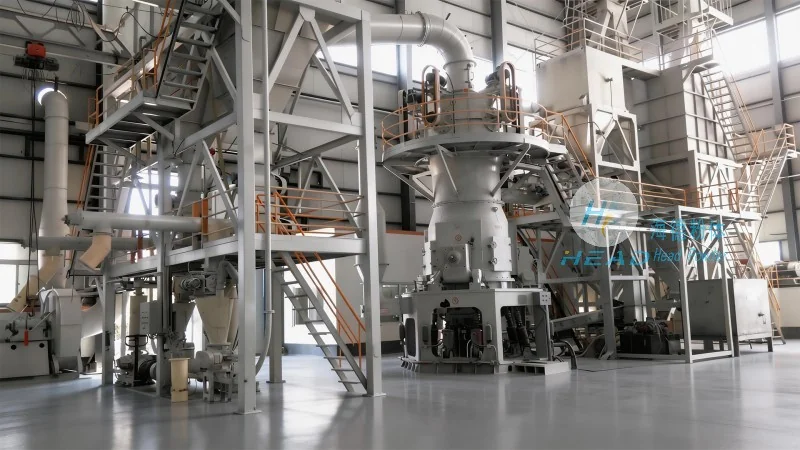
Pneumatic conveying technology provides a reliable and efficient solution for the bulk handling of desulfurization gypsum, addressing the challenges associated with traditional methods. HeadPowder Engineering, with its expertise and commitment to innovation, continues to develop advanced systems that meet the evolving needs of industrial applications. By leveraging the benefits of pneumatic conveying, industries can enhance safety, reduce environmental impact, and improve overall operational performance. As the demand for sustainable and efficient material handling solutions grows, the role of pneumatic conveying in the desulfurization gypsum industry is expected to expand, with continued advancements in system design and technology.