

Types and Applications of Dust Pneumatic Conveying Systems
HeadPowder, a prominent enterprise in the field, specializes in dust handling solutions. The company, headquartered in Shandong, China, provides advanced pneumatic conveying technologies tailored for diverse industrial applications. This article delves into the different types, key characteristics, and practical applications of dust pneumatic conveying systems, offering insights into how these systems enhance operational efficiency and material management.
Types of Dust Pneumatic Conveying Systems
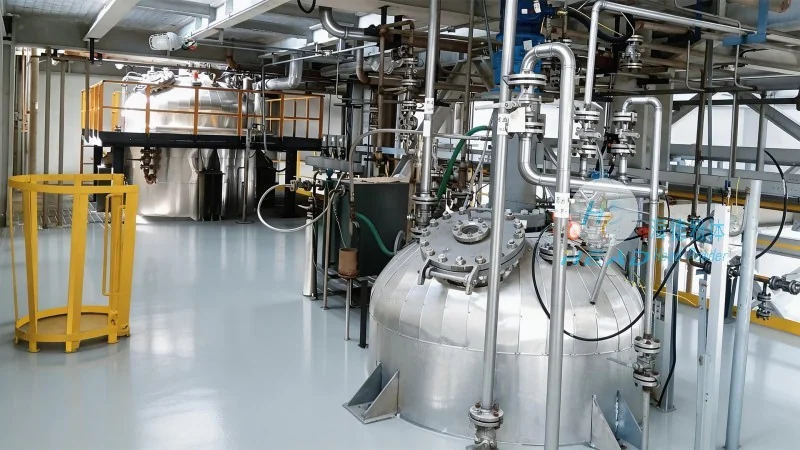
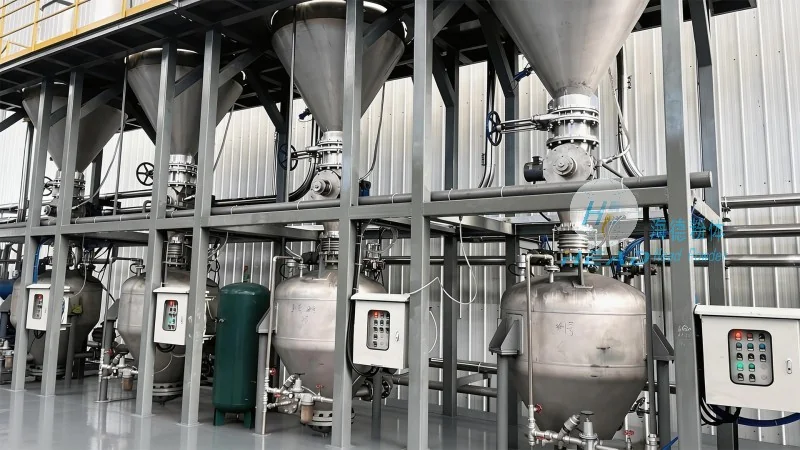
There are two primary categories of pneumatic conveying systems used for dust handling: positive pressure and negative pressure systems. Positive pressure systems, also known as pressure conveying, operate by blowing air or gas under pressure into the conveying line, propelling the material forward. This method is well-suited for long-distance and high-capacity transport, often employed in bulk material handling scenarios. Negative pressure systems, or vacuum conveying, utilize suction to draw material from the source into the system. This approach is ideal for applications requiring dust collection and transport from multiple points, such as in pharmaceutical or food processing industries where maintaining a clean environment is paramount.
Key Characteristics of Dust Pneumatic Conveying
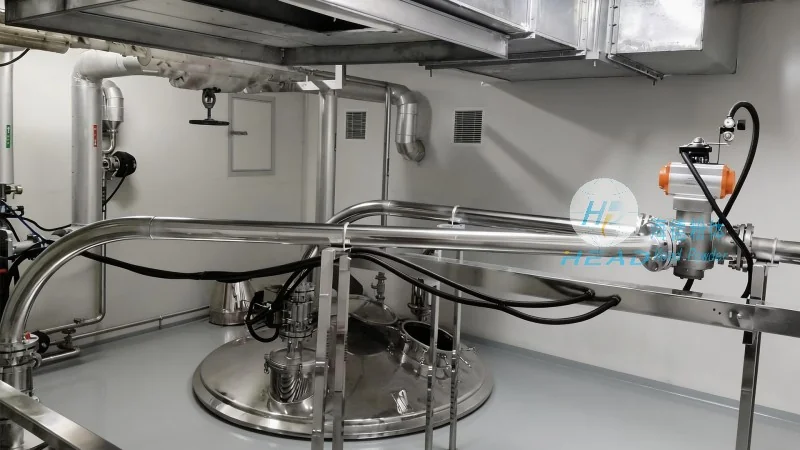
Efficiency and reliability are defining characteristics of dust pneumatic conveying systems. These systems are engineered to handle fine powders and dust particles effectively, minimizing material loss and ensuring consistent flow. Compared to mechanical conveyors, pneumatic systems typically have fewer moving parts, leading to lower maintenance requirements and longer service life. Another significant advantage is the ability to operate in a closed environment, which reduces dust emissions and enhances workplace safety. The technology also offers flexibility in material handling, allowing for vertical, horizontal, or combined transport, making it adaptable to complex industrial layouts. Furthermore, pneumatic conveying systems can integrate seamlessly with other processing equipment, providing a streamlined workflow without the need for extensive modifications.
Application Ranges of Dust Pneumatic Conveying
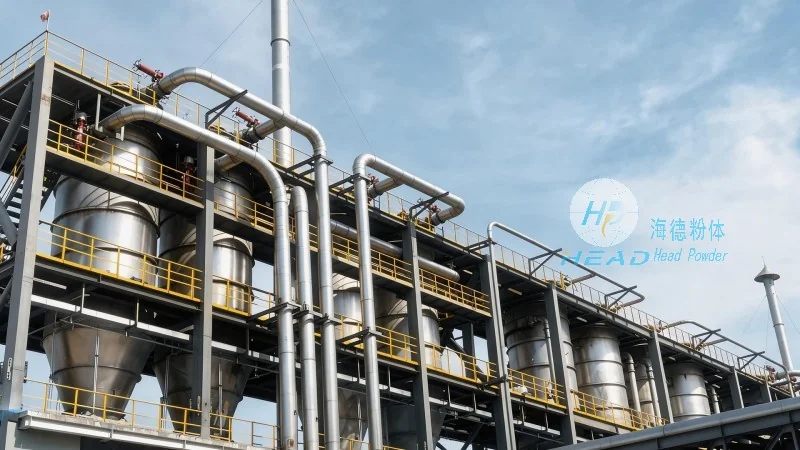
Dust pneumatic conveying systems are widely utilized across various industries, each leveraging the technology for specific operational needs. In the chemical industry, these systems are used to transport powders like pigments, catalysts, and reagents, ensuring precise dosing and preventing contamination. The food and beverage sector employs them for handling ingredients such as flour, sugar, and spices, maintaining hygiene standards and avoiding cross-contamination. The pharmaceutical industry, in particular, relies on vacuum conveying systems due to their ability to handle sensitive materials while preserving a sterile environment. In construction, pneumatic conveying is used for transporting cement, sand, and other building materials, especially in large-scale projects where traditional methods may be less efficient. Additionally, the mining sector utilizes these systems for transporting ore dust and fine particles, supporting efficient extraction and processing operations.