

Glass Fiber Cellulose Pneumatic Conveying: Types, Features, and Application Scope
Shandong HeadPowder Engineering Co., Ltd. (headpowder), a leading provider of industrial material handling solutions, specializes in the design and implementation of glass fiber cellulose pneumatic conveying systems. With years of experience in the industry, the company has developed advanced technologies to optimize material transport for various applications, ensuring high efficiency, reliability, and environmental compliance.
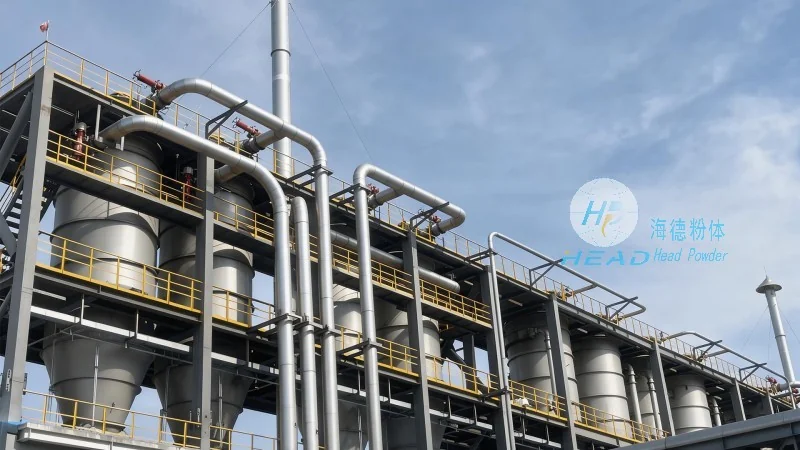
Types of Glass Fiber Cellulose Pneumatic Conveying Systems
There are primarily three types of pneumatic conveying systems used for glass fiber cellulose: suction (or negative pressure) systems, pressure (or positive pressure) systems, and mixed (or combined) systems. Each type has distinct characteristics and is suitable for different operational requirements.
Suction systems operate by creating a negative pressure in the conveying line, drawing the material from the source into the system. These systems are typically used for short to medium distances and are ideal for applications where the material is light and has low dust content. The main advantage of suction systems is their ability to handle material from multiple sources simultaneously, as the negative pressure can draw material from several hoppers into the conveying line.
Pressure systems, on the other hand, use positive pressure to push the material through the conveying line. They are generally more suitable for longer distances and higher material loads. Pressure systems are often used in applications where the material is heavy or has higher dust content, as the positive pressure helps to maintain the material's flow and prevent blockages. These systems typically require a more robust design to handle the higher pressures involved.
Mixed systems combine elements of both suction and pressure systems. They use a combination of negative and positive pressures to optimize the conveying process. This approach allows for flexibility in handling different material types and operational conditions. Mixed systems are particularly useful in applications where the material needs to be transported over long distances while maintaining a consistent flow rate and minimizing energy consumption.
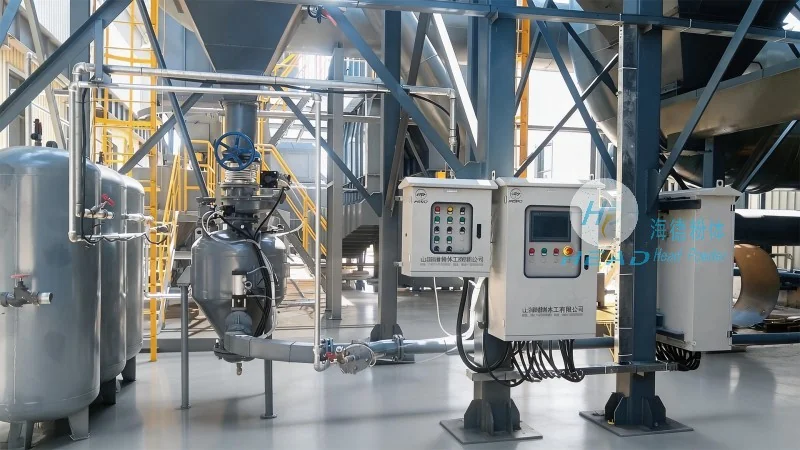
Key Features of Glass Fiber Cellulose Pneumatic Conveying
The glass fiber cellulose pneumatic conveying system offers several key features that make it an attractive option for industrial material handling. One of the most significant advantages is its high efficiency in material transport. By using air as the conveying medium, the system can move large quantities of material quickly and with minimal labor. This efficiency is particularly beneficial in high-volume production environments where time and cost are critical factors.
Another important feature is the system's low energy consumption. Compared to traditional mechanical conveyors, pneumatic systems require less power to operate, resulting in lower operational costs and reduced environmental impact. The use of air as the conveying medium also helps to reduce noise levels, making the system more suitable for applications in industrial settings where noise control is a concern.
The system also provides excellent environmental protection. Pneumatic conveying systems are designed to minimize dust emissions and prevent material contamination. The enclosed conveying line ensures that the material remains clean and free from external contaminants, which is essential for applications where material purity is critical, such as in the food and pharmaceutical industries. Additionally, the system can be equipped with dust collection and filtration systems to further enhance environmental performance.
Furthermore, the glass fiber cellulose pneumatic conveying system offers high flexibility in terms of layout and installation. The conveying line can be easily adjusted or reconfigured to accommodate changes in production processes or facility layouts. This flexibility allows for adaptability in different industrial settings, from small-scale operations to large-scale manufacturing plants. The system can also be integrated with other equipment, such as hoppers, silos, and processing machinery, to create a seamless material handling workflow.
Application Scope of Glass Fiber Cellulose Pneumatic Conveying
The application scope of glass fiber cellulose pneumatic conveying is broad and encompasses various industries that utilize glass fiber cellulose as a raw material or component. In the chemical industry, for example, glass fiber cellulose is used in the production of insulation materials, composites, and filters. The pneumatic conveying system is ideal for transporting these materials between processing units, such as from storage silos to mixing equipment or from reactors to packaging lines.
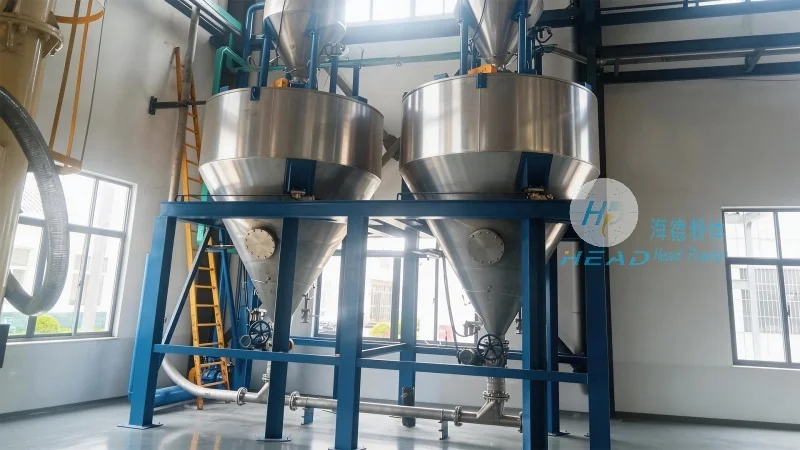
In the food and beverage industry, glass fiber cellulose is used as a food additive or in the production of dietary supplements. The system's ability to handle material with high purity and minimal contamination makes it suitable for these applications. It can transport the material from raw material storage to production lines, ensuring that the material remains clean and free from external contaminants throughout the process.
The pharmaceutical industry also utilizes glass fiber cellulose in the production of drug delivery systems and medical devices. The pneumatic conveying system's ability to maintain material purity and prevent cross-contamination is crucial in these applications. The system can transport the material from raw material hoppers to manufacturing equipment, such as extruders or granulators, while maintaining the required standards for product quality and safety.
In the construction industry, glass fiber cellulose is used in the production of building materials, such as insulation boards and concrete additives. The system's efficiency and flexibility make it suitable for transporting these materials from storage facilities to construction sites. The ability to handle large quantities of material over long distances without the need for extensive infrastructure makes the system a cost-effective solution for construction projects.
Other industries that benefit from glass fiber cellulose pneumatic conveying include the paper and packaging industry, where the material is used in the production of specialty papers and packaging materials. The system's ability to handle fine powders and maintain material quality is essential for these applications. Additionally, the automotive industry uses glass fiber cellulose in the production of automotive parts and components, and the pneumatic conveying system helps to transport these materials efficiently from raw material storage to manufacturing lines.